1 / 5
 Okapi Logistics
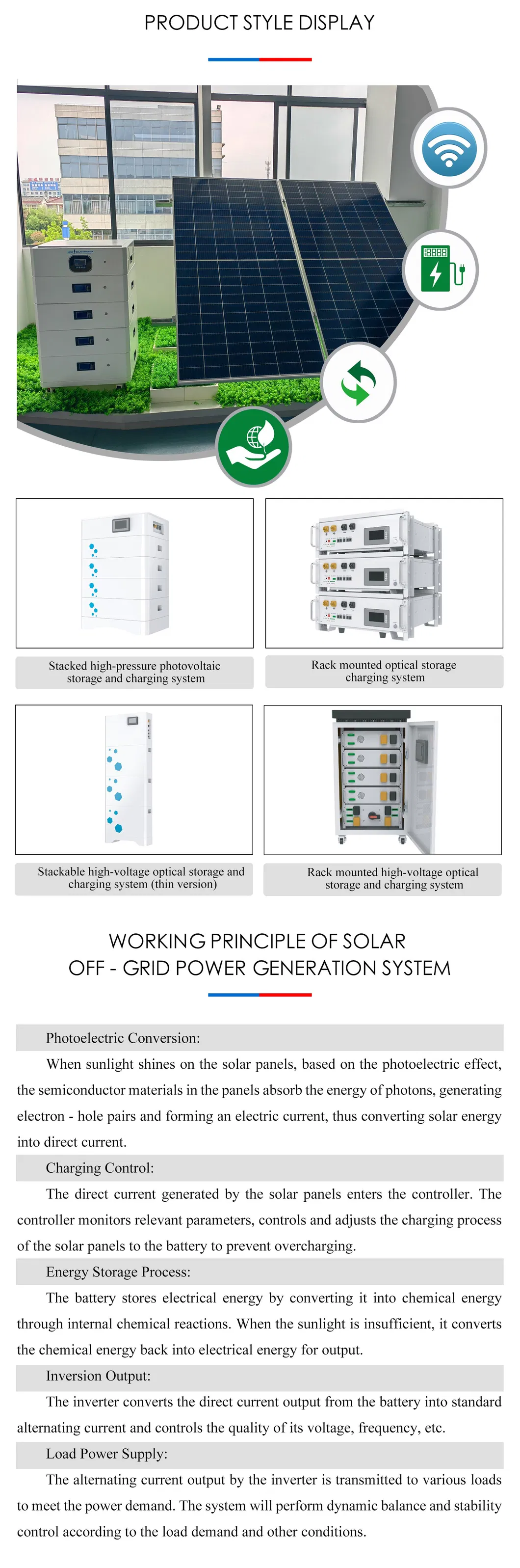
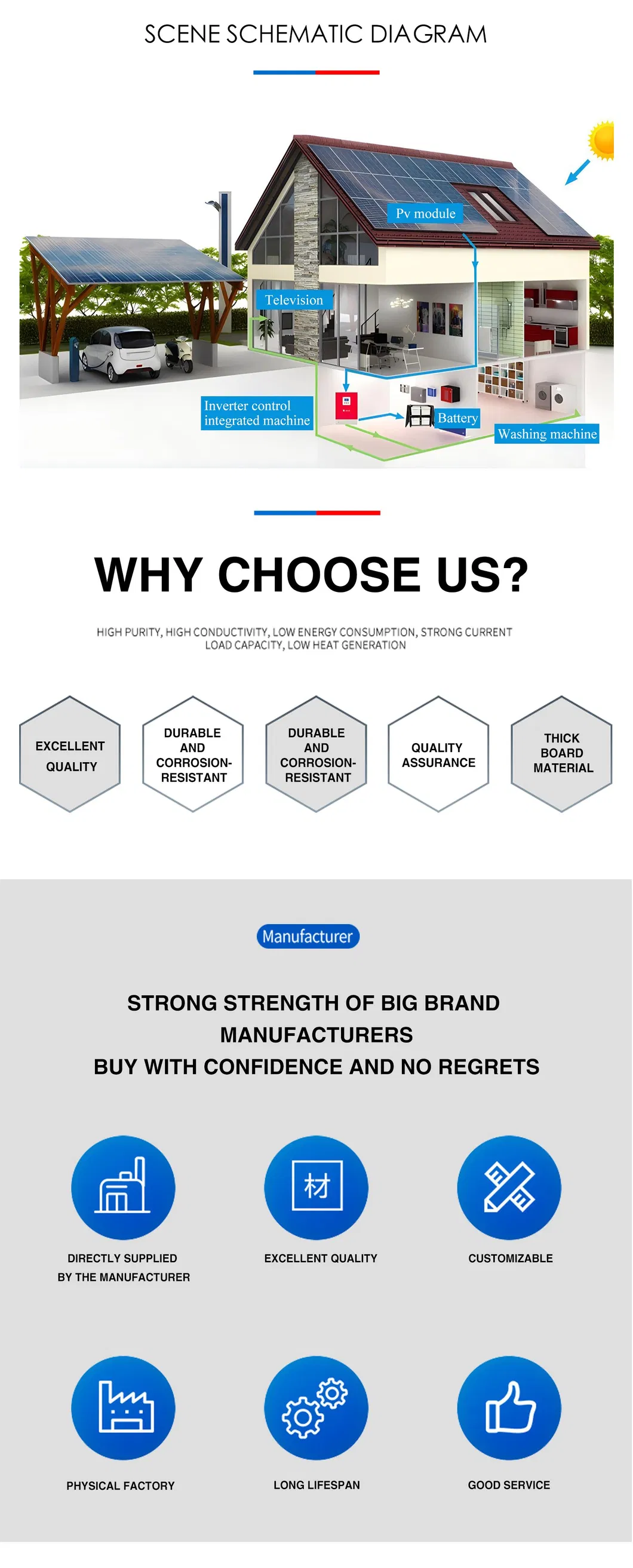
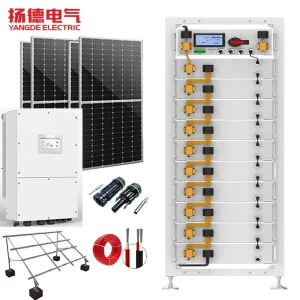
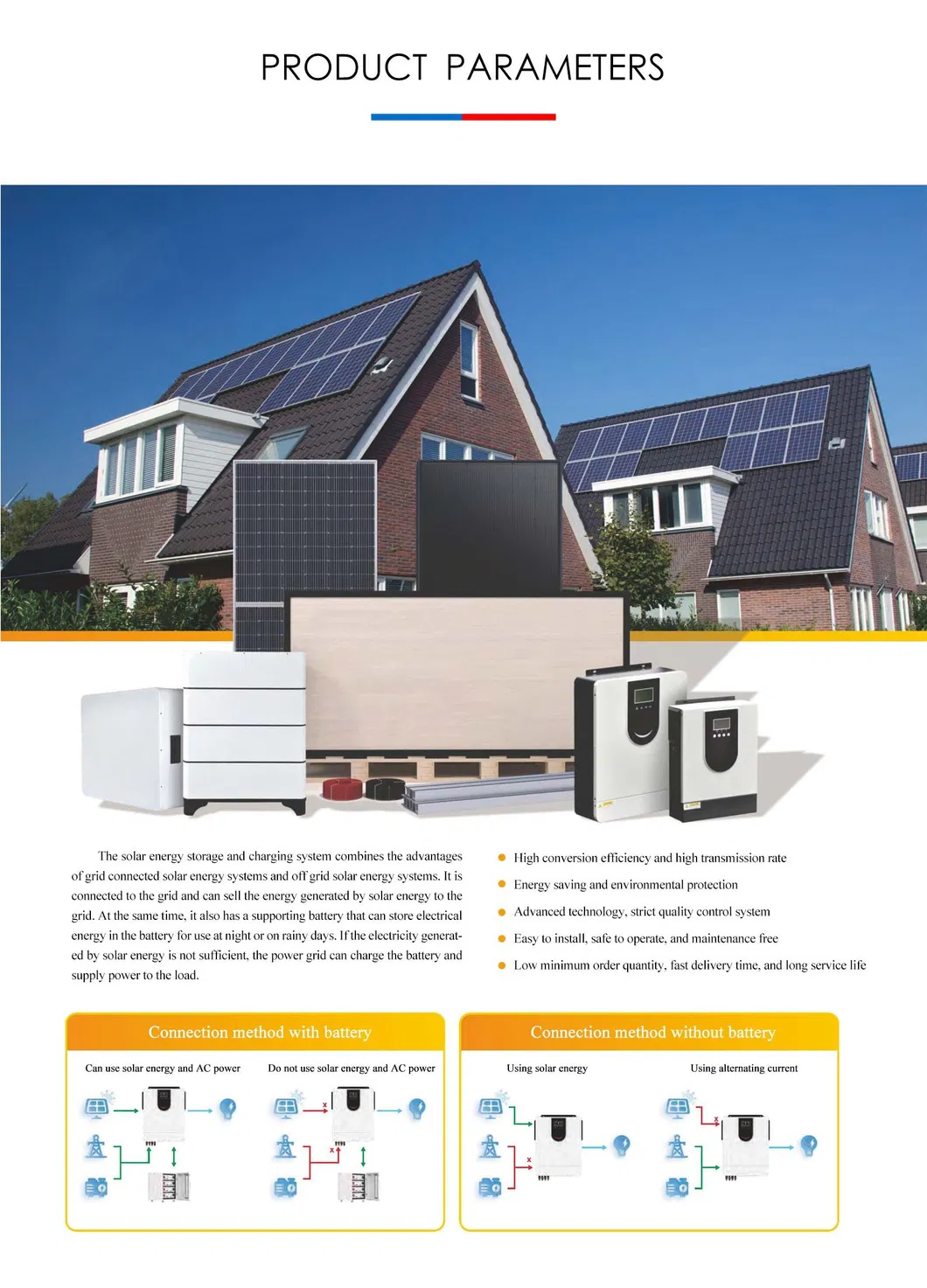
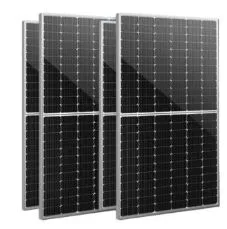
When sunlight irradiates solar panels, based on the photovoltaic effect, semiconductor materials in the panels absorb photon energy, generating electron-hole pairs that form an electric current. This process converts solar energy into direct current (DC).
The DC power generated by the solar panels enters a controller, which monitors parameters (such as voltage and current) and adjusts the charging process from the panels to the battery. This ensures safe charging and prevents overcharging.
The battery stores electrical energy through internal chemical reactions, converting it into chemical energy for storage. When sunlight is insufficient, it reverses the process, converting chemical energy back into electrical energy for output.
An inverter transforms the DC power from the battery into standard alternating current (AC). It also controls the quality of the output by regulating parameters like voltage and frequency to meet grid-standard requirements.
The AC power generated by the inverter is transmitted to various electrical loads to meet their power demands. The system dynamically balances and stabilizes the power supply according to real-time load requirements, ensuring stable operation.
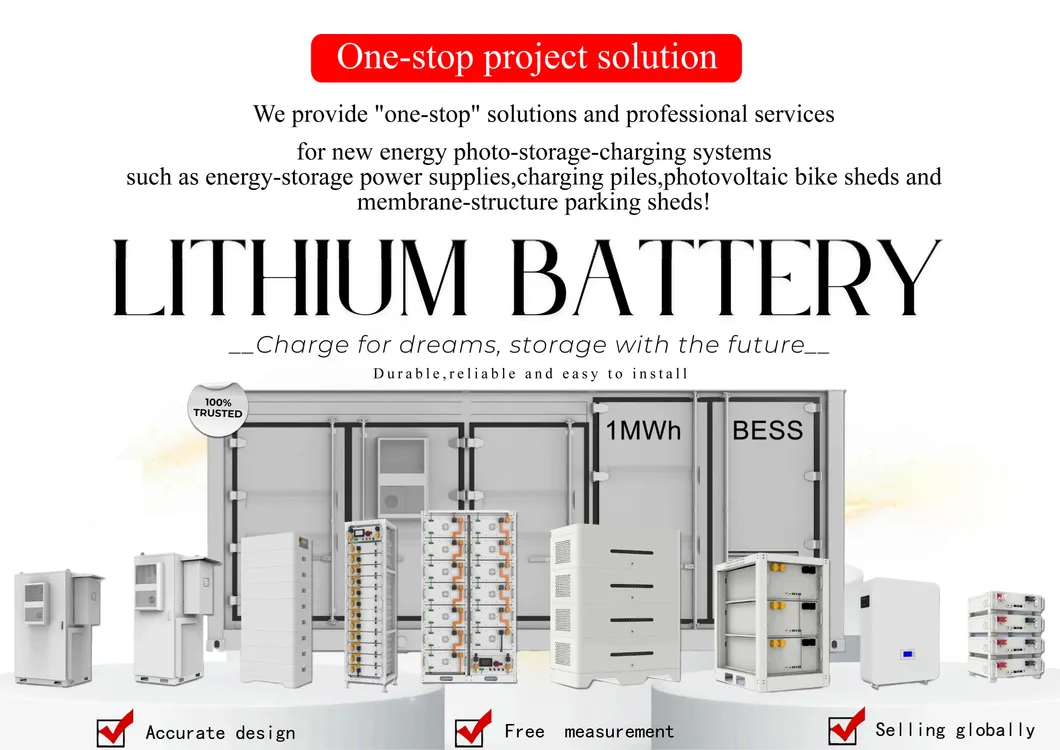
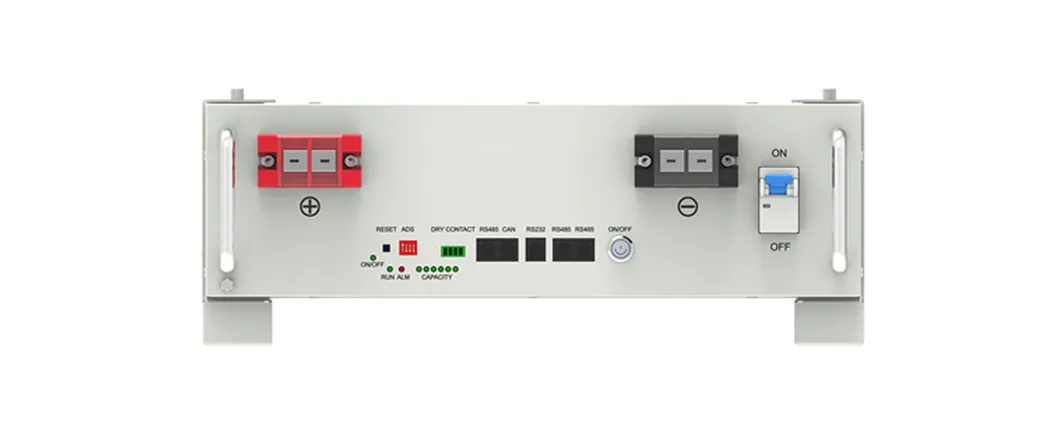
| MODEL | OMS-51K |
| Product | 512V100AH |
| Nominal Voltage | 512V |
| Nominal Capacity | 100AH |
| Weight (kg) | 520 |
| SPECIFICATIONS | PARAMETER |
| Nominal Capacity (KWH) | 51.2 |
| Discharge Cut-Off Voltage (V) | 440 |
| Charge Cut-Off Voltage (V) | 568 |
| Recommend Charge/Discharge Current (A) | 60 |
| Communication | RS485/RS232/CAN |
| Working Temperature | 0ºC~50ºC (Charge) / -10ºC ~50ºC (Discharge) |
| Cycle Life | (0.5C/0.5C-80% DOD) > 6000 times |
| Certification | CE/IEC/UL/UN38.3/MSDS |
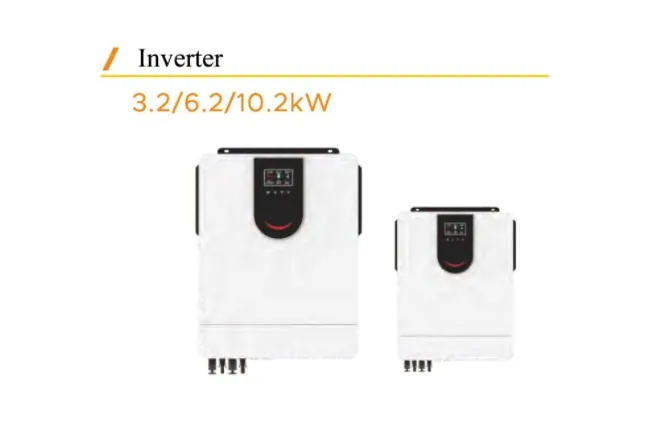
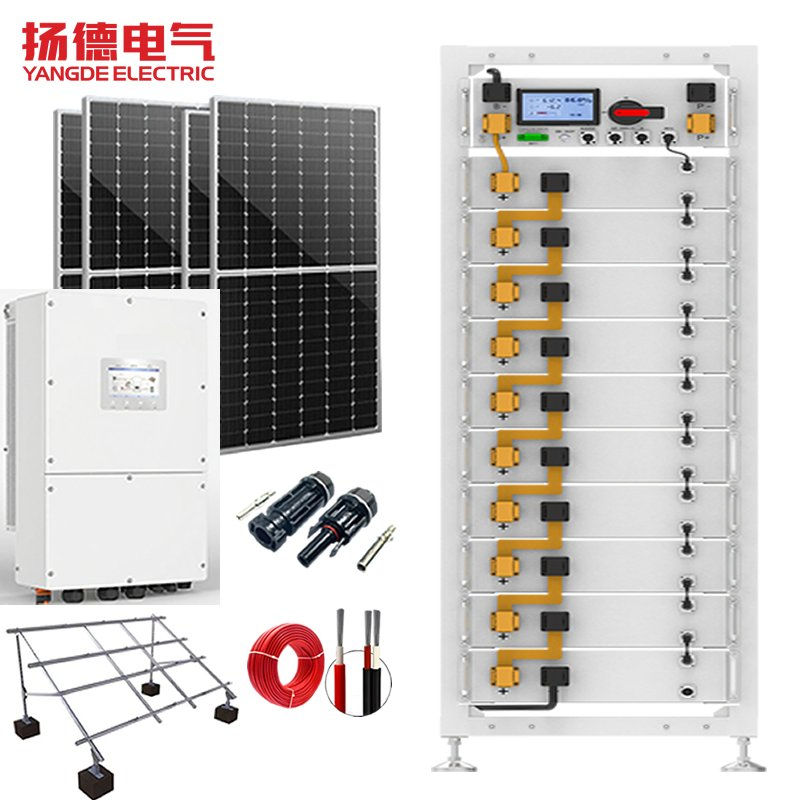
Hybrid Storage Inverter
10KW/48V | IP65 Protection
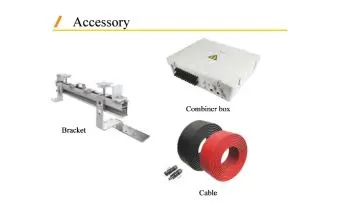
Auxiliary Materials
PV cables, Distribution box, MC4 connectors