Okapi Logistics
Okapi Logistics
Okapi Logistics
Explore our custom OEM line of structural racking components, packaging boxes, and materials handling equipment designed for optimal space efficiency and high-load capacity.
Modern supply chains depend heavily on robust, high-performance physical infrastructure. As e-commerce acceleration, cold-chain logistics expansion, and smart factory integration push warehousing spaces to their volumetric limits, custom OEM industrial shelving and racking solutions have evolved from simple storage frames into highly engineered, structural assets. Industrial shelving acts as the structural foundation of modern logistics, playing a vital role in determining space utilization rates, operational picking speeds, worker safety margins, and long-term facility adaptability.
Worldwide, industrial steel shelving systems are transitioning towards high-strength, low-alloy (HSLA) structures capable of handling high loads without adding excess weight. Market analysts expect the global warehouse shelving market to grow substantially, driven by regional demand in the United States, Europe, and rapid urban logistics development in emerging markets. These shifts require OEM manufacturers to innovate dynamically, focusing on customizable dimensions, heavy load capacities, modular components, and seamless integration with Automated Storage and Retrieval Systems (AS/RS).
Additionally, modern facilities face challenging environments—such as sub-zero temperatures in pharmaceutical cold chains or humid, chemically corrosive zones in heavy industrial manufacturing. High-durability finishes, like electrostatic powder coating and hot-dip galvanization, are now standard specifications rather than premium upgrades. Structural integrity and safety regulations, governed by bodies like the Rack Manufacturers Institute (RMI) in North America and FEM standards in Europe, have made third-party structural verification, weld certifications, and material traceability mandatory requirements for international sourcing.
We are an established industrial equipment manufacturer integrating scientific research and development, manufacturing, sales, and comprehensive tailormade logistics services.
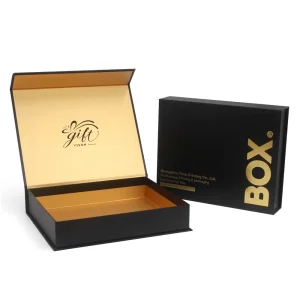
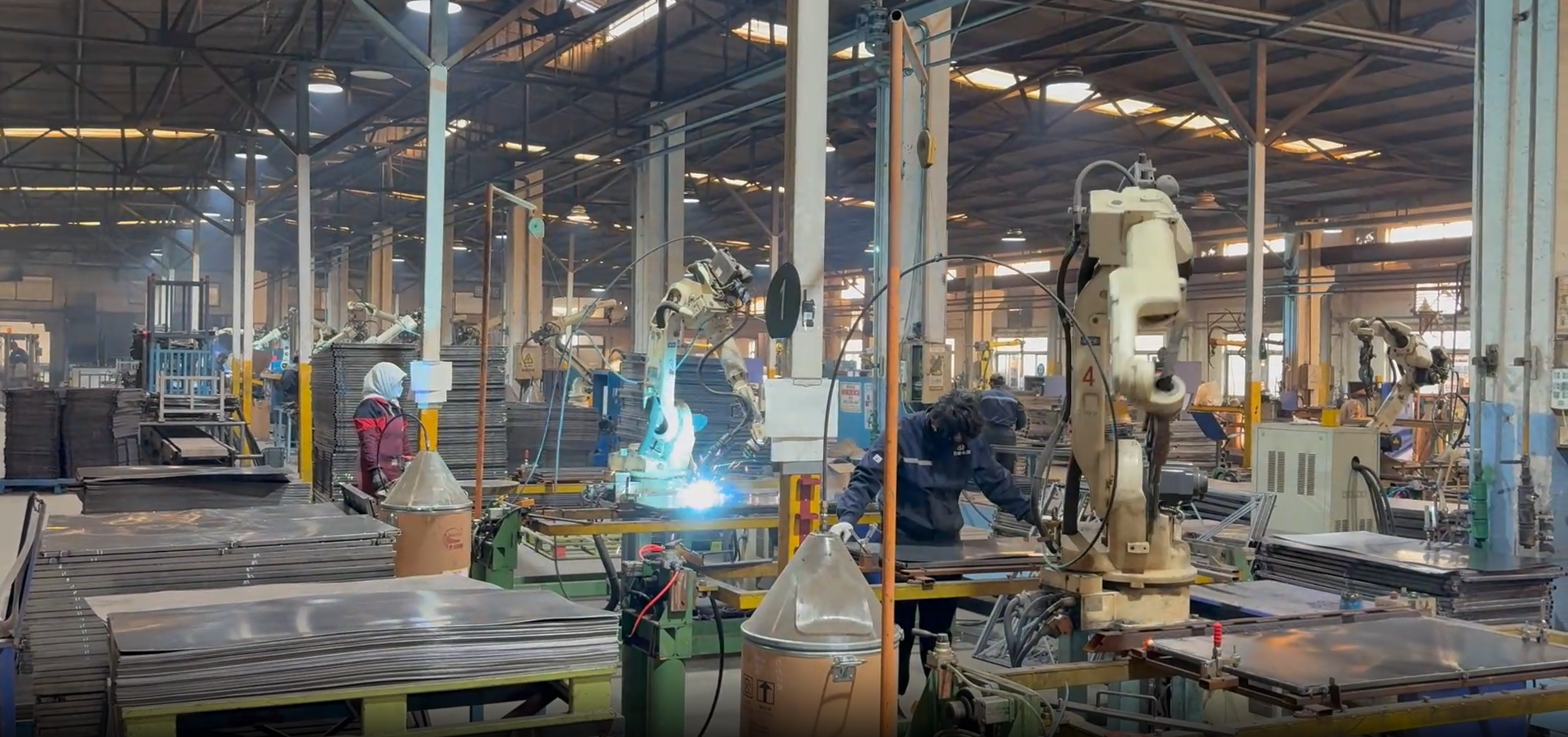
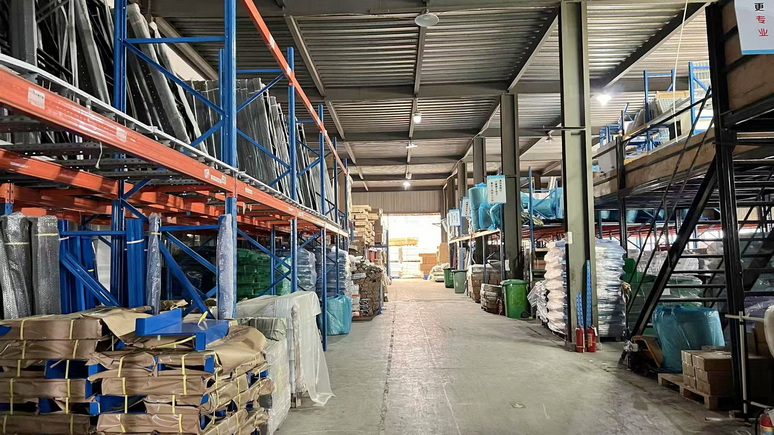
Ningbo Okapi Logistics Co., Ltd. is a leading manufacturer specializing in logistics trolleys, storage cages, metal packaging boxes, storage racks, turnover pallets, and custom industrial steel structures. With a state-of-the-art production facility spanning nearly 10,000 square meters, our operations are backed by a dedicated team of over 100 skilled professionals, including 4 dedicated technical engineers and 4 internal quality control inspectors.
Our market-oriented approach incorporates modern corporate planning principles to help global enterprises optimize space, improve picking and handling efficiency, minimize handling damages, and reduce operating costs. By customizing products to specific customer habits and regional requirements, we provide comprehensive tailormade solutions across major industries, including automotive assembly, retail supermarkets, automated warehouses, shipbuilding yards, home appliances, light industries, and chemical processing facilities.
Our commitment to "Quality First, Customer Foremost" is backed by certifications including ISO9001 and CE. Today, 81% to 90% of our products are exported directly to demanding logistics markets across Europe, North America, Japan, and other global regions.
Technological advancements and safety demands are shaping the next generation of industrial shelving systems.
Static warehousing setups are being replaced by highly modular solutions. Modern racking must feature boltless clip designs, adjustable upright heights, and load beam configurations that allow fast reconfiguration as business inventory profiles change.
Industrial shelving is integrating with automated warehouse components. RFID-enabled frames, built-in weight sensors, and designs tailored for Automated Guided Vehicles (AGVs) ensure racking functions seamlessly within the overall warehouse automation ecosystem.
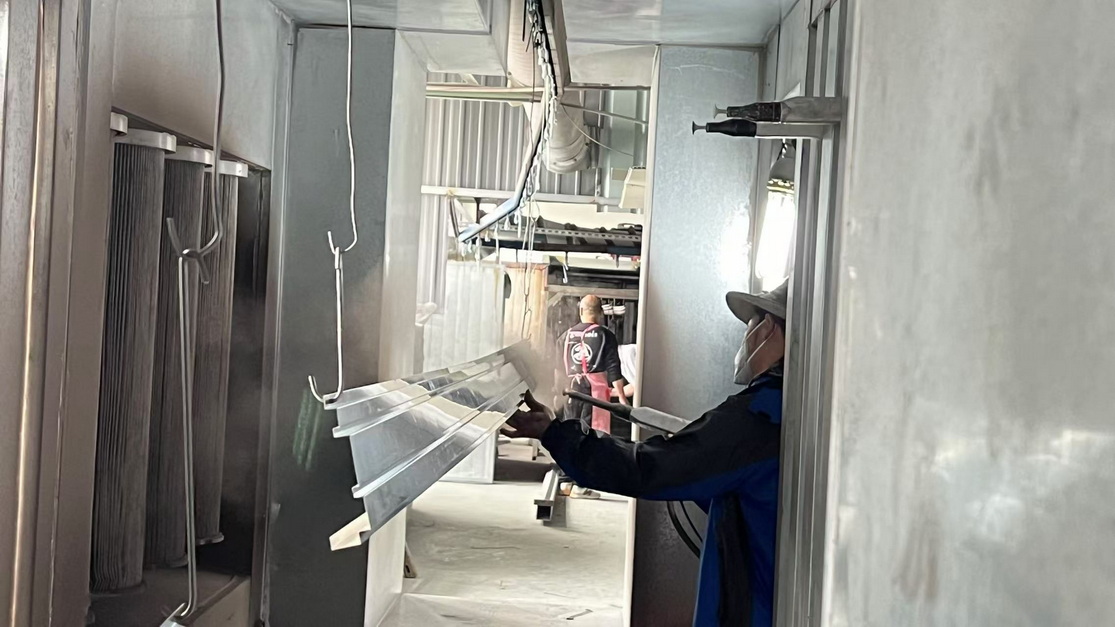
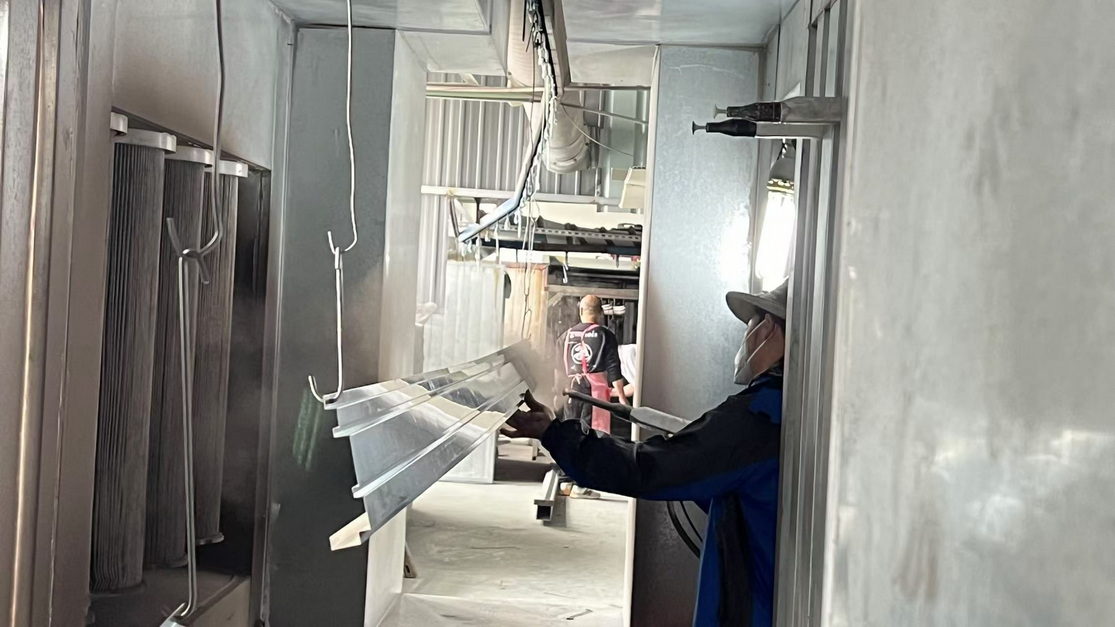
Industrial buyers look closely at supply chain carbon footprints. Using recyclable steel alloys and switching from traditional solvent-based wet coatings to VOC-free, low-bake electrostatic powder coatings helps operators meet ESG criteria.
How custom OEM shelving solutions adapt to specific operational environments and load demands worldwide.
In high-cost regional logistics centers, maximum vertical volume utilization is essential. Our OEM designs focus on high-bay pallet racking systems that exceed 12 meters in height. These structures are built with tight tolerances to prevent vertical lean, which could cause automated crane systems or high-reach trucks to fail. We use high-stiffness, roll-formed profiles made from grade Q235B or Q355B structural steel to maintain safety factors up to 1.5 times the rated load limit, even in areas prone to seismic activity.
Automotive assembly lines require rapid, continuous access to heavy components. Standard shelving cannot handle the point-load stresses from engines, transmissions, and heavy stamping dies. Our heavy-duty roll-formed beams are combined with structural wire decking and safety bars to safely support up to 4,000 kg per level. These units are often configured with modular return channels and custom logistics trolleys to feed parts directly into production cells.
Sub-zero food and pharmaceutical storage spaces require materials that resist low-temperature embrittlement and high humidity. Traditional steel structures can rust or suffer structural failure under these conditions. Our galvanized steel shelving, storage cages, and stainless steel packaging boxes are designed to endure temperatures down to -40°C. Heavy hot-dip zinc coatings of 60-80 microns protect the steel surface from condensation rust during washdowns, ensuring hygienic storage and safety compliance.
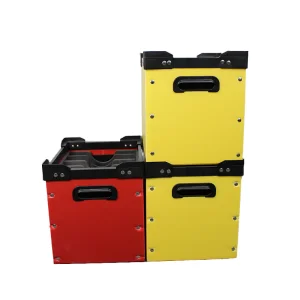
Chemical processing plants require shelving that resists corrosion from chemical exposure and vapors. We supply epoxy-coated or heavy duty stainless steel structural racking, paired with customized anti-static PP corrugated turnover boxes. This setup prevents chemical contamination, eliminates static charges in explosive environments, and protects sensitive equipment from ambient humidity.
A structured engineering projection of shelving material sciences, manufacturing steps, and supply-chain logistics integrations.
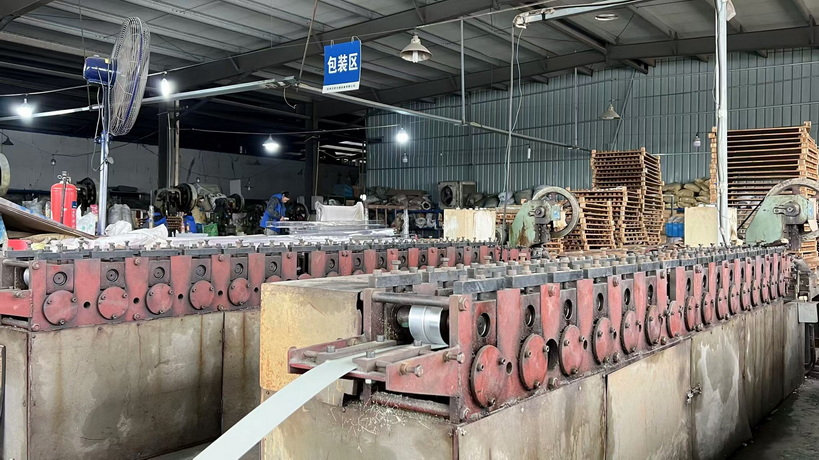
Optimizing high-tensile steel alloys with reduced material thickness to lower weight while maintaining strong load-bearing capacities. Transitioning fabrication to fully automated, multi-station roll-forming mills ensures consistent profile dimensions across large-scale manufacturing runs.
Integrating strain gauges and laser telemetry directly into rack beams. These sensors report structural loading conditions in real-time, warning operators about localized load limits or potential structural damage from forklift collisions before failures happen.
Sourcing raw structural steel exclusively from modern, scrap-recycle electric arc furnace (EAF) mills. Implementing biodegradable anti-rust treatments and zero-emission powder coatings allows storage frames to be recycled, supporting circular economy initiatives.
From design to delivery, Ningbo Okapi Logistics optimizes procurement steps for international buyers.
Our engineering team creates 3D models and CAD layouts to match your warehouse space and load profiles. We analyze load limits and design structural elements to optimize your floor plan and vertical capacity.
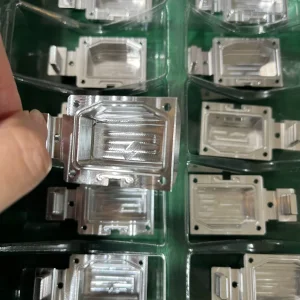
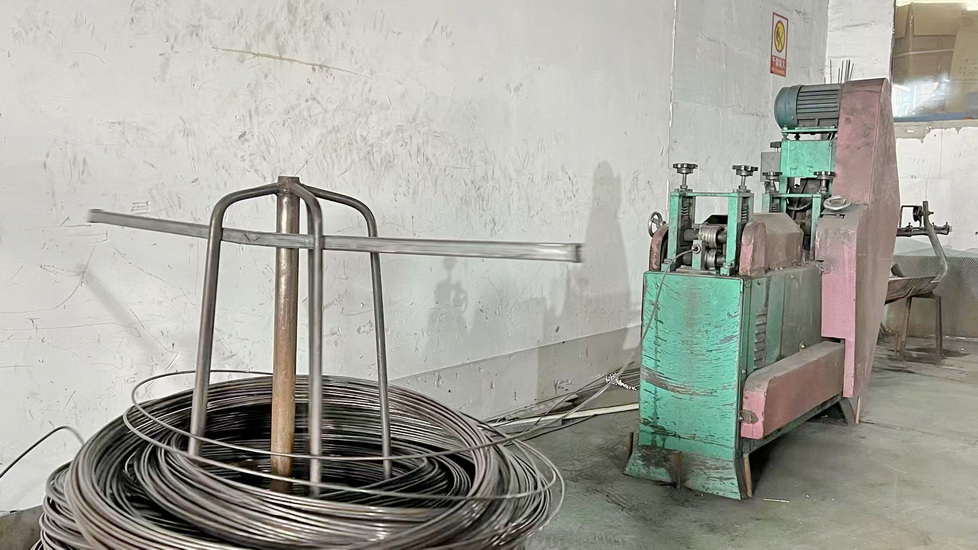
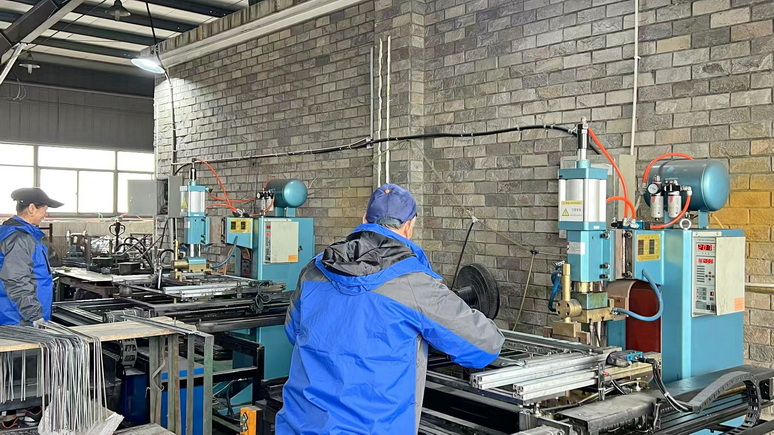
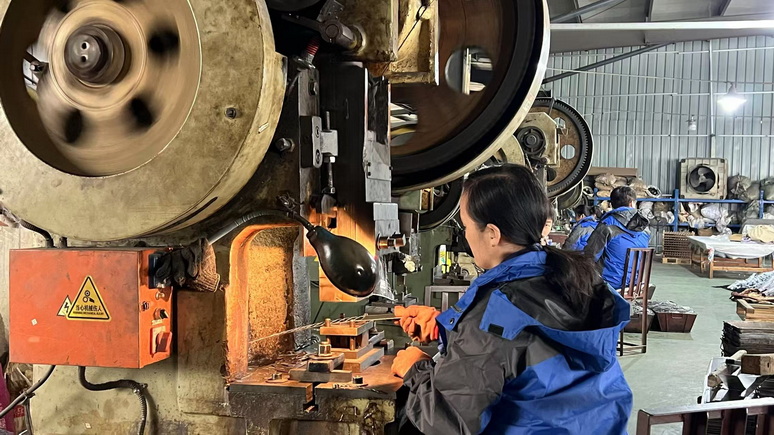
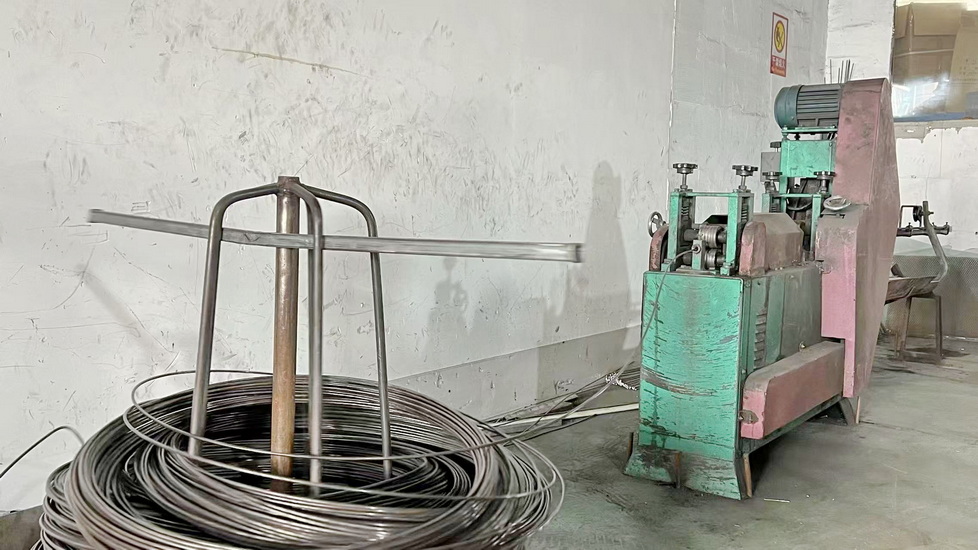
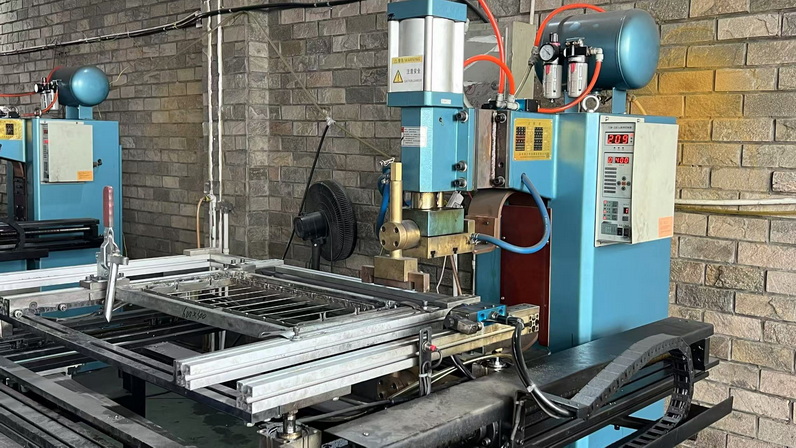
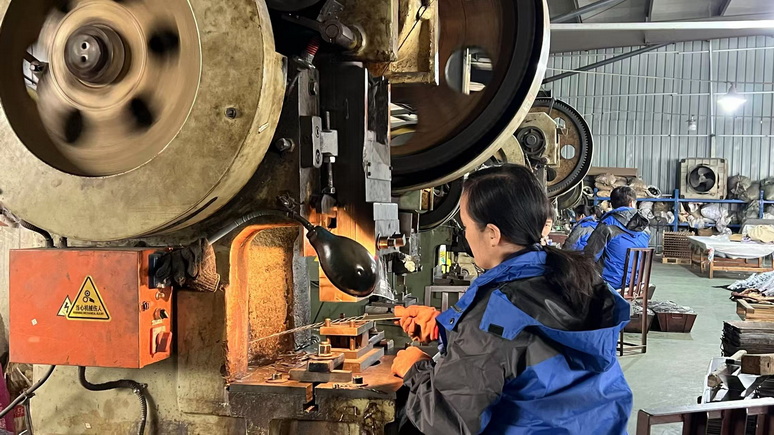
Equipped with high-tonnage stamping, automatic resistance welding, and CNC machining, our facility handles complex steel fabrication. We maintain precise tolerances for structural safety and easy field assembly.
Our quality control process inspects raw steel raw materials, monitors welding quality, and checks final coatings. This process ensures every product batch meets CE and ISO9001 quality standards.
We support FOB, CFR, and CIF shipping terms, coordinating import/export customs clearance and shipping logistics. We ensure products arrive safely at ports across North America, Europe, and Asia.
Answers to common technical, engineering, and procurement questions for international warehouse managers and procurement professionals.
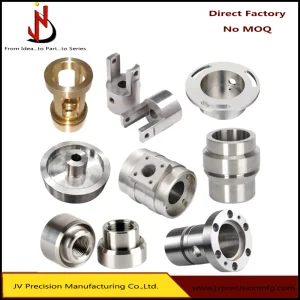
Browse our full range of material handling products, steel structures, packaging boxes, and custom manufactured hardware.