Okapi Logistics
Okapi Logistics
Okapi Logistics
Engineered for intense structural loads, space optimization, and long-term durability
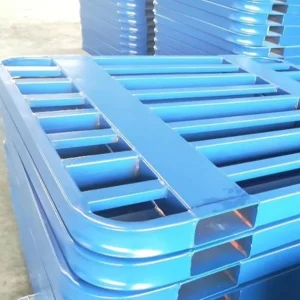
A comprehensive engineering study on structural steel containers and supply chain resilience
In the rapidly changing landscape of global supply chain management, cargo protection and space optimization have become key strategic objectives. As warehousing facilities transition toward automation and high-density vertical stacking, standard shipping methods are reaching their physical limits. Industrial operations require Heavy-Duty Compression Packing Boxes designed to withstand dynamic forces, prevent deformation under immense stack pressure, and reduce carbon footprint through circular logistics.
Compression packing boxes, commonly built as steel packing boxes or reinforced heavy-duty metal cages, serve as the backbone for high-value machinery parts, automotive assemblies, and consumer goods during transit. Unlike traditional wooden pallets and corrugated paperboard boxes, which degrade under moisture and vertical pressure, structural steel box solutions guarantee high dimensional stability and superior mechanical performance. This report details the manufacturing standards, technological developments, and economic advantages of integrating industrial-grade steel compression boxes into global logistics networks.
At the heart of a premium compression packing box is its engineering design. When containers are stacked up to six tiers high in modern cargo bays, the bottom box must support massive static and dynamic loads. A failure in structural integrity can lead to product damage, assembly line delays, and safety hazards.
By utilizing high-grade steel, cold-drawn wire meshes, and resistance-welded joints, manufacturers ensure that vertical weight is distributed through corner posts rather than the payload itself. Additionally, the inclusion of custom drop gates, secure locking systems, and fork guides allows for safer operation by forklifts and automated guided vehicles (AGVs).
Replacing single-use wood and cardboard boxes with heavy-duty steel packing boxes helps reduce direct packaging waste and lowers long-term Total Cost of Ownership (TCO) across international loops.
Next-generation metallurgical treatments and IoT integration in industrial containers
Upgrading base materials to HSLA steels achieves a 15% reduction in deadweight while maintaining identical structural load capacities, lowering overall shipping costs.
Moving beyond basic galvanization to advanced hot-dip zinc-aluminum-magnesium alloy coatings ensures high rust protection in harsh maritime shipping corridors.
Integrating RFID, Bluetooth Low Energy (BLE), and cellular IoT sensors directly into frame recesses provides real-time location and environmental telemetry.
The future of industrial logistics centers on smarter, lighter, and more durable container designs. As factories transition to automated warehouses (ASRS), compression boxes require tight dimensional tolerances. Even a deviation of a few millimeters can cause robot arm alignment issues or jam conveyers. Modern steel container production utilizes precision CNC wire cutting, automated resistance welding, and coordinate measuring machines (CMM) to maintain tolerances within ±1mm.
Optimizing workflow efficiency and safety across diverse manufacturing sectors
| Target Sector | Material Challenges | Packing Box Solution | Operational ROI Impact |
|---|---|---|---|
| Automotive OEM Parts | Heavy components (engines, transmissions), high vibration risk during transit. | Foldable steel boxes with custom inner dunnage, high-rating stack stability. | Elimination of cardboard waste; 35% improvement in shipping container volume. |
| Electronics & Appliances | Static discharge, sensitive finishes, and dust intrusion. | Corrugated plastic lined metal boxes with electrostatic discharge (ESD) shielding. | Zero cosmetic scrap rate; optimized compatibility with automated factory lines. |
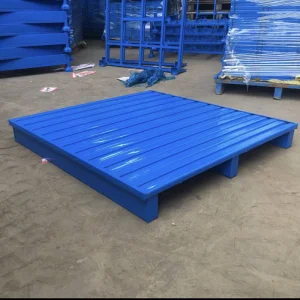
| Heavy Machinery Components | Oversized products, high weight distribution requirements. | Heavy-duty reinforced structural iron pallets and open-sided heavy metal racks. | Safe handling using overhead cranes; reduced forklift damage. |
| Logistics & Distribution Labs | Variable load contents, rapid turnaround, and limited storage space. | Highly collapsible logistics trolleys and modular wire mesh storage cages. | 60% space savings when collapsed and stored during empty backhauls. |
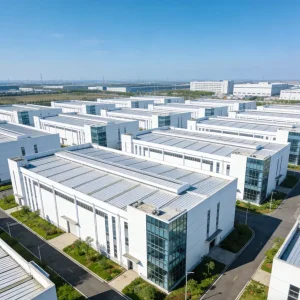
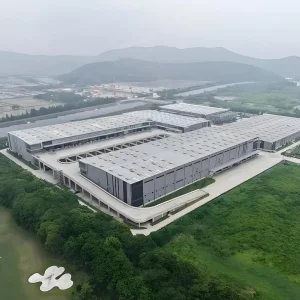
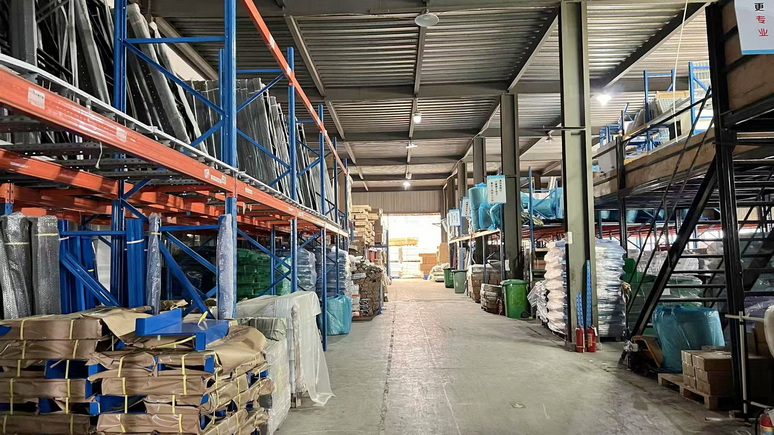
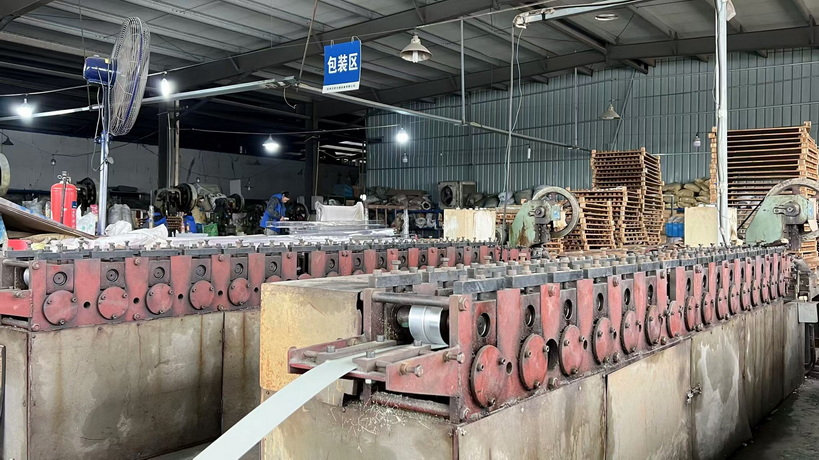
Operating a robust industrial manufacturing line requires balanced supply chains and technical expertise. Ningbo Okapi Logistics Co., Ltd., established in 2007, operates a modern production facility of nearly 10,000 square meters. By integrating scientific R&D with advanced production technologies, we manufacture logistics trolleys, storage cages, steel packing boxes, and custom industrial metal storage shelves.
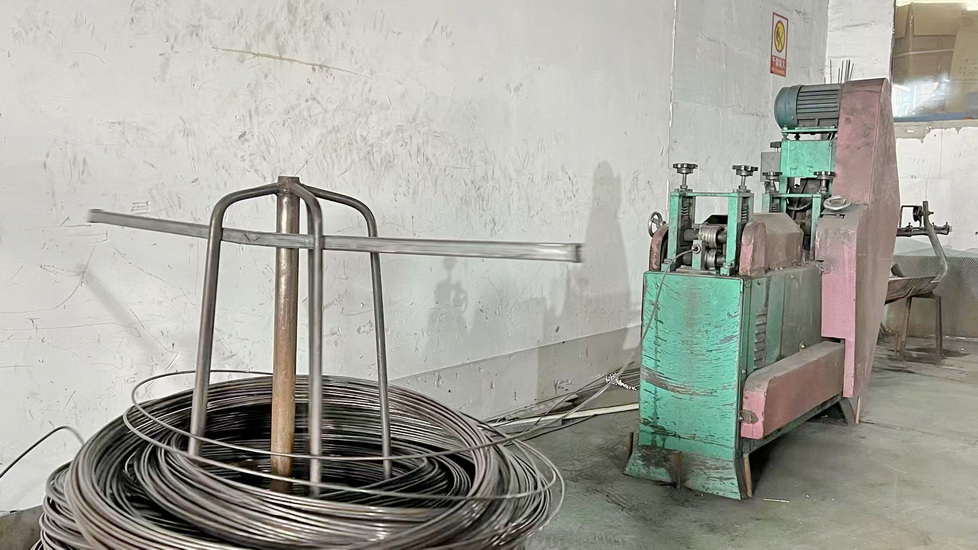
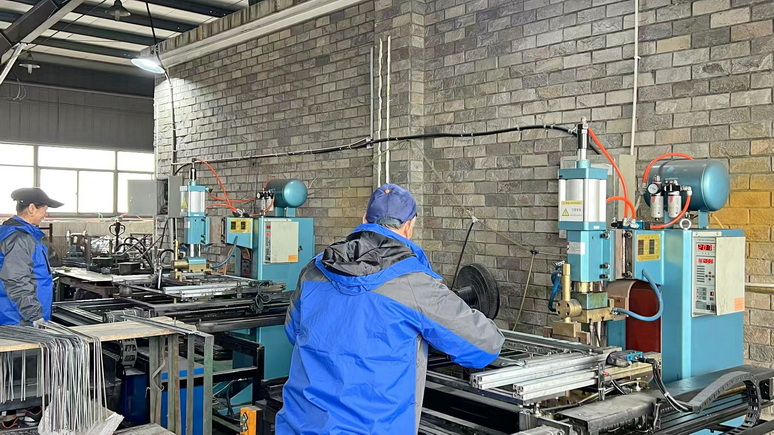
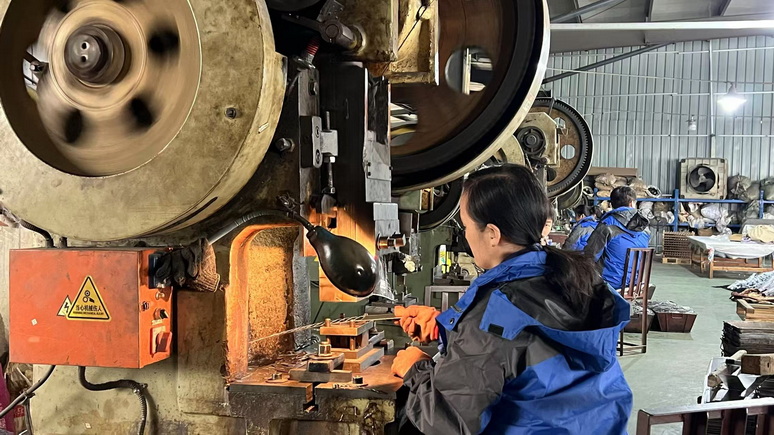
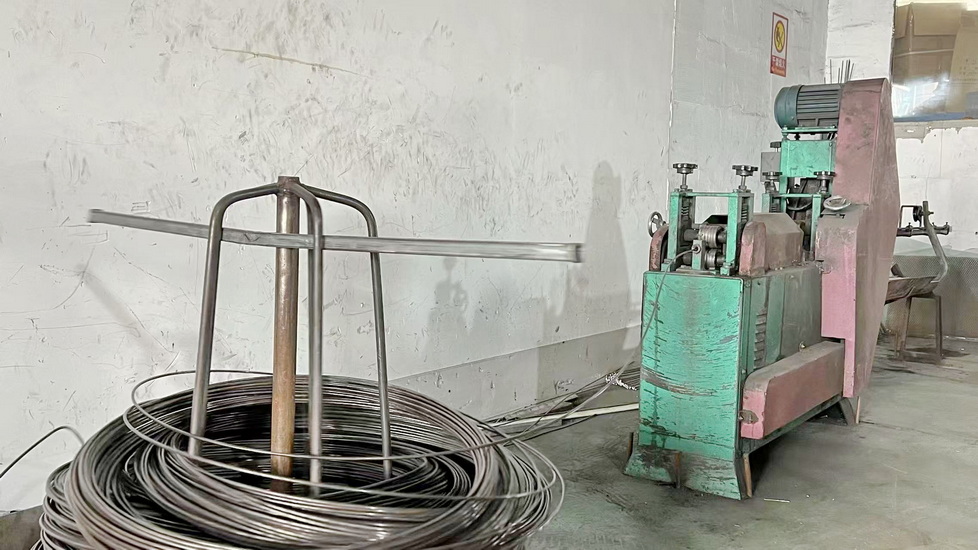
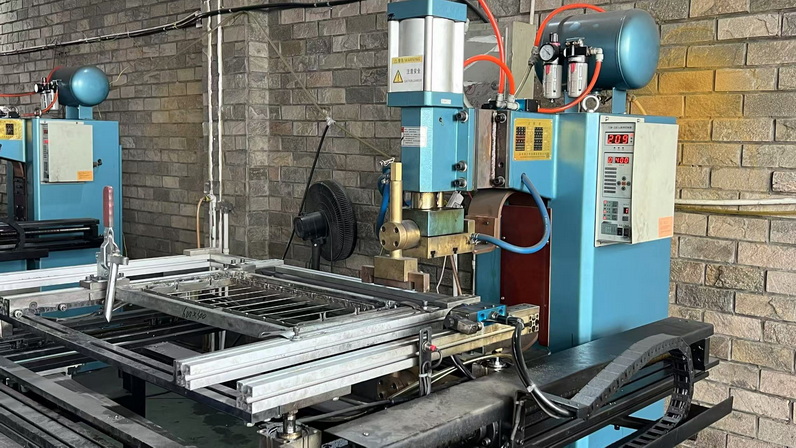
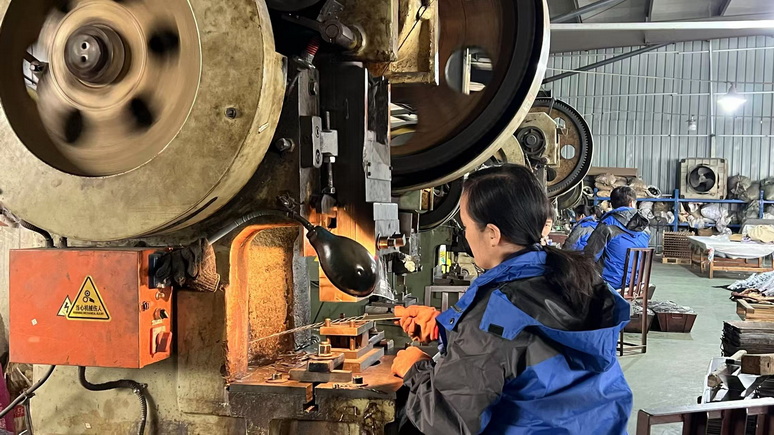
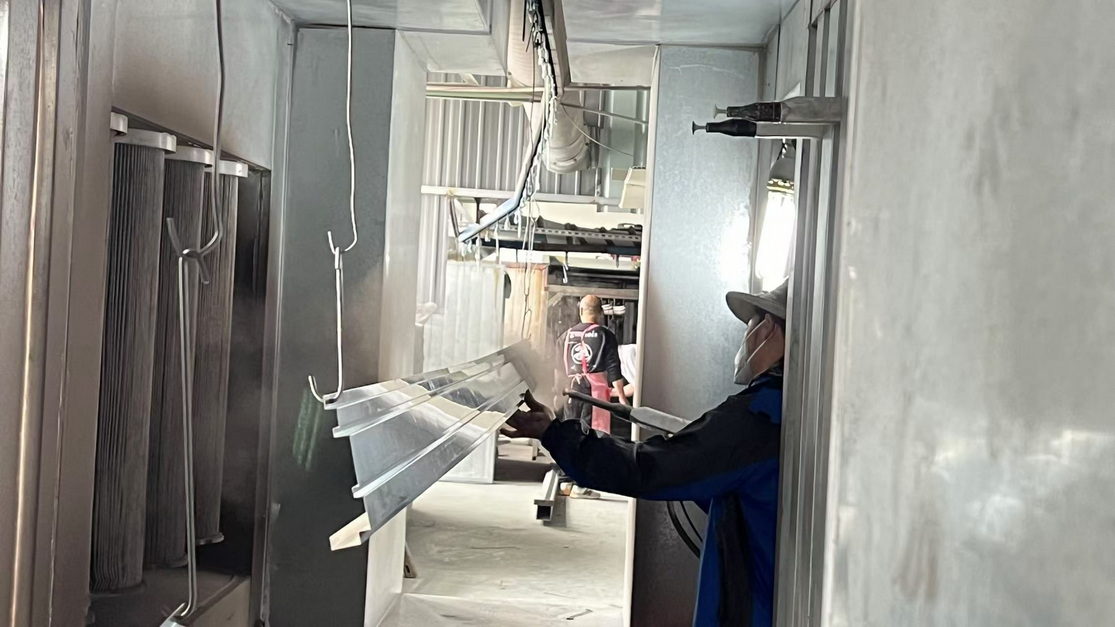
Equipped with state-of-the-art machinery for stamping, deep drawing, automated resistance welding, wire cutting, riveting, and advanced machining, the facility produces stable, reliable hardware. Our technical staff, backed by 4 engineering technicians and 4 quality control managers, ensures that every compression packing box meets rigorous industrial standards.
With a strategic location in Ningbo, one of the world's busiest deep-water ports, we optimize logistics routes, shorten lead times, and reduce maritime shipping costs for global clients.
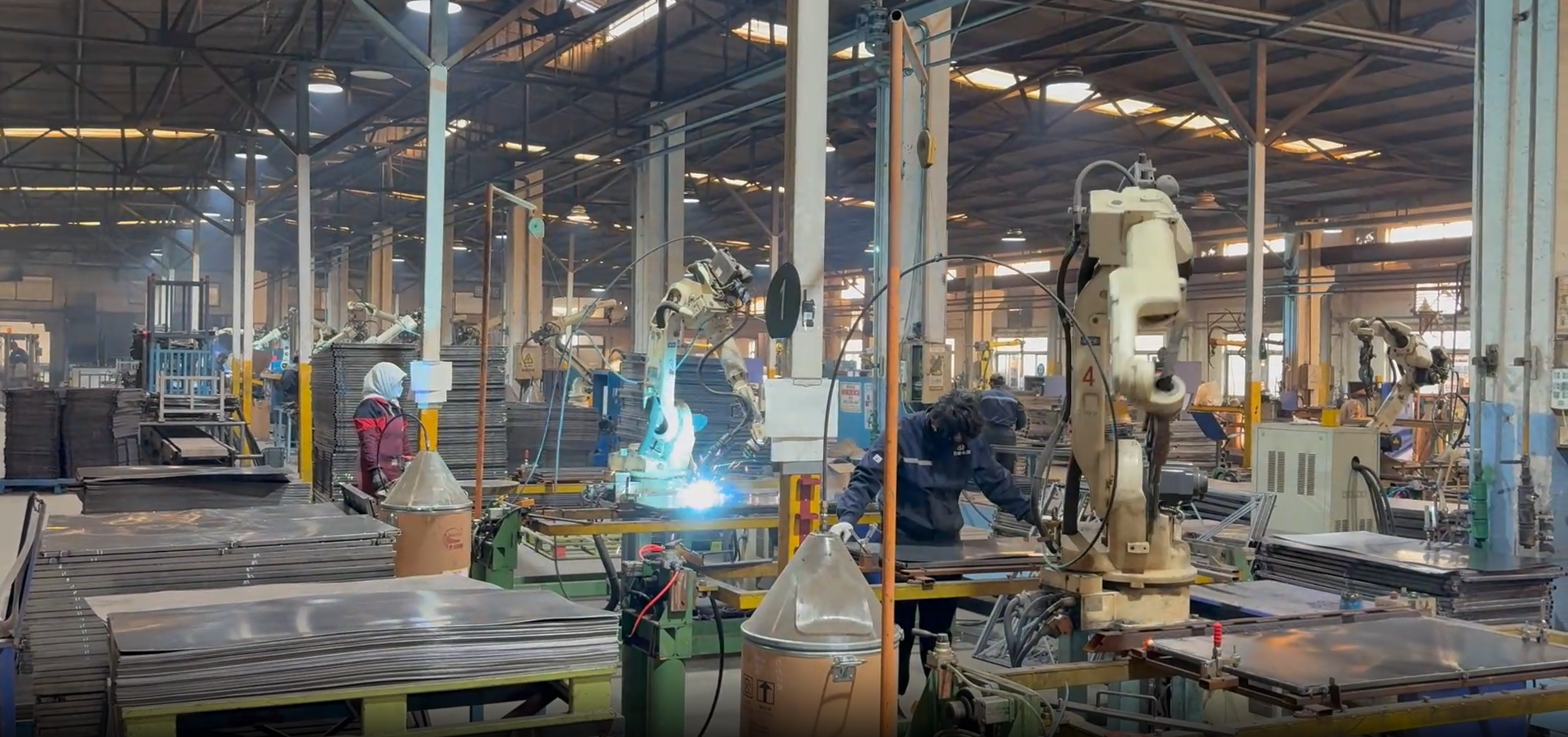
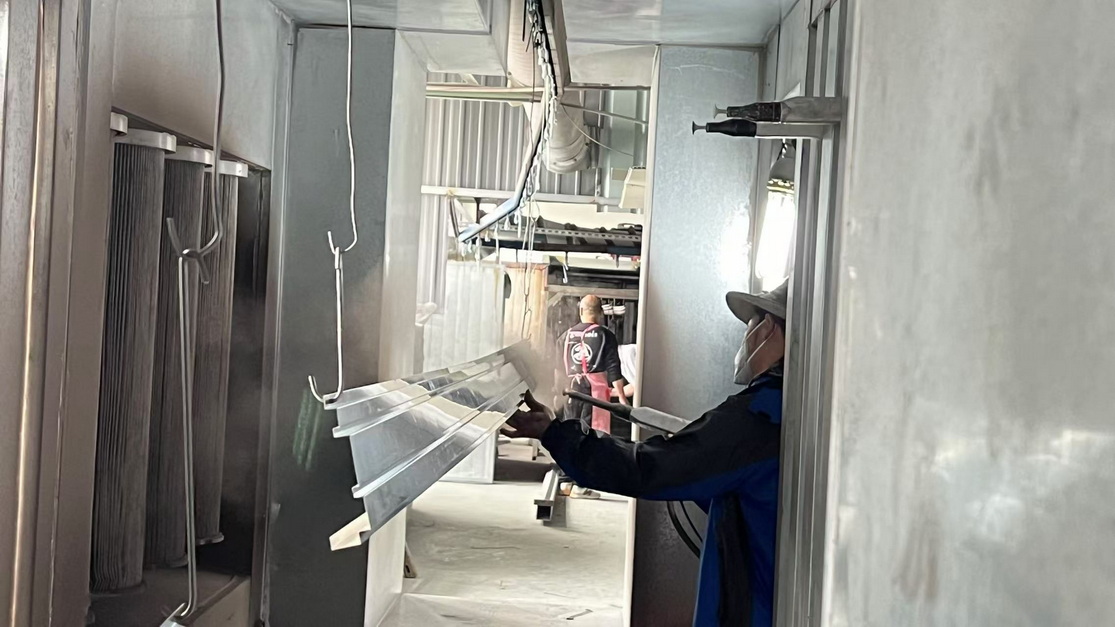
Inside Ningbo Okapi Logistics: Advanced stamping, wire bending, welding, and quality testing
Streamlining cross-border deliveries through global trade certification frameworks
International trade requires strict adherence to regional safety protocols, customs rules, and packaging directives. Standard packaging materials, such as raw wood pallets, face rigid phytosanitary regulations like ISPM 15, which require heat treatment or fumigation to control pests. Our metal compression packing boxes offer a fully compliant alternative, bypassing many customs delays related to biological contaminants.
All of our industrial metal boxes are engineered and certified to meet high-level quality systems:
To support diverse global supply chain requirements, we offer standard commercial terms and structured lead times:
Key criteria for evaluating high-capacity industrial packaging suppliers
B2B procurement professionals must analyze total cost of ownership (TCO), supply chain reliability, and manufacturing capacity. Selecting the right metal box supplier involves looking beyond unit cost to examine durability, repair cycles, and trade terms.
While steel packing boxes require a higher initial capital expense compared to wood, their multi-year lifespan results in a lower per-trip cost over time.
Modular industrial boxes allow for easy replacement of individual panels, gates, or feet, extending overall service life without requiring a complete frame rebuild.
High-quality collapsible boxes save valuable warehouse and transit space. When folded, they reduce space requirements on backhaul routes, lowering return transportation costs.
Technical answers to key structural packaging and trade compliance questions
Durable storage racking systems, safety sensors, and material handling solutions