Okapi Logistics
Okapi Logistics
Okapi Logistics
High-durability structures engineered to optimize global warehouse workflows and logistics operations.
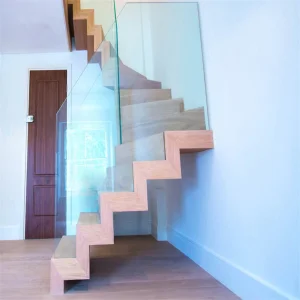
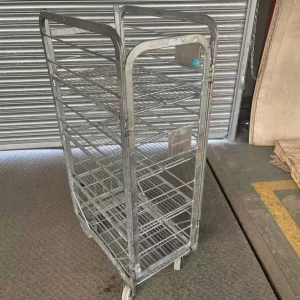
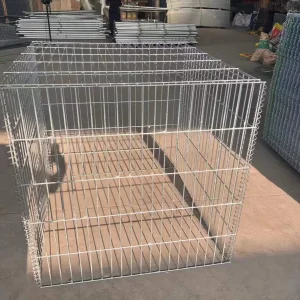
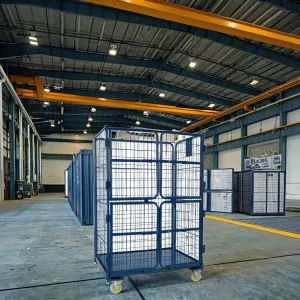
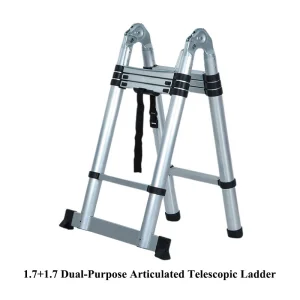
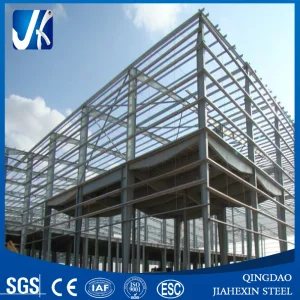

In the rapidly changing industrial world, safety and efficiency at elevation are paramount. Portable ladders, including mobile climbing platforms, industrial rolling step stools, and telescopic safety ladders, constitute the structural backbone of physical execution in retail, manufacturing, automated warehousing, and petrochemical maintenance. As supply chain infrastructure scales horizontally and vertically, the requirement for lightweight, highly rigid, and dynamically stable access systems has seen unprecedented growth.
According to international industrial safety standards body reports, falls from height remain the leading cause of occupational safety and health violations and injuries. This has catalyzed global safety administrations (such as OSHA in the United States, EN 131 in Europe, and AS/NZS 1892 in the Asia-Pacific region) to institute stringent design mandates on commercial access apparatus. Procurement executives can no longer purchase step ladders based solely on price; they must scrutinize mechanical tolerances, alloy properties, structural triangulation, and slip-resistant surface engineering.
"The modern warehouse facility requires access systems that are not static tools, but rather integrated, highly mobile material-handling extensions. Every step ladder must act as an ergonomic workspace, minimizing fatigue and completely eradicating tipping incidents."
Globally, premium factories must align with strict compliance parameters. The European EN131 Standard dictates strict load trials (150 kg commercial capacity minimum), lateral deflection limits, and torsion endurance benchmarks. Across North America, the ANSI A14.2 (for aluminum ladders) and ANSI A14.5 (for fiberglass platforms) govern duty ratings up to Special Duty (Type IAA - 375 lbs). Understanding these distinct specifications is critical for international buyers sourcing equipment for multinational facilities, ensuring uniform compliance and mitigation of corporate liability.
| Material Type | Structural Strength (Yield) | Corrosion Resistance | Weight-to-Load Ratio | Common Industrial Use Cases | |
|---|---|---|---|---|---|
| 6063-T5/T6 Aluminum Alloy | Excellent (~150-200 MPa) | Outstanding (Natural Anodized) | Superior (Lightweight High-Capacity) | Distribution Centers, Aviation Repair, General Logistics | |
| Q235 Structural Steel | Extremely High (~235 MPa) | Moderate (Powder Coated or Galvanized) | Heavy (Robust Structural Rigidity) | Heavy Machinery, Marine Dockyards, Mining Workshops | |
| Fiberglass (FRP) | Very High | Excellent | Moderate | Electrical Utilities, Chemical Processing, Telecoms |
The manufacturing of advanced logistics platforms and mobile ladders has consolidated around highly integrated industrial hubs, with China’s East Coast (especially Ningbo and Zhejiang province) leading the global export market. This geographical dominance is not merely a product of lower labor costs; it is driven by the structural efficiency of localized manufacturing ecosystems.
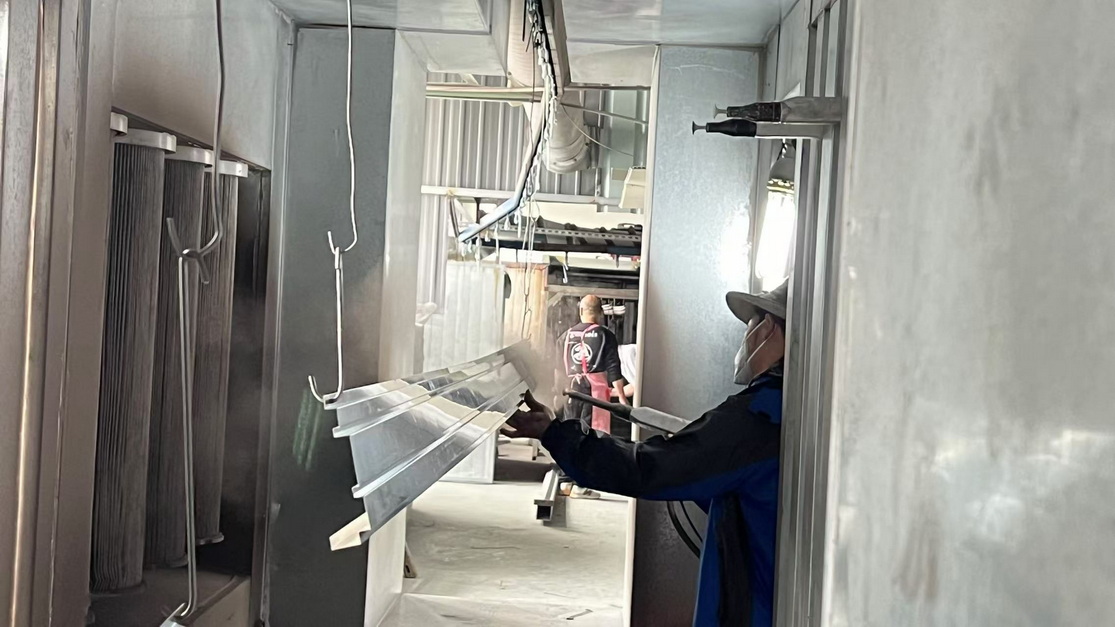
Industrial centers in Ningbo benefit from immediate access to upstream aluminum extrusion mills, precision hardware suppliers, and automated stamping shops. Furthermore, the integration of advanced surface treatment facilities (such as automated electrostatic powder coating lines and continuous galvanizing plants) allows factories to manage the entire manufacturing sequence under tight operational quality control.
Modern Chinese exporters utilize state-of-the-art technologies that have revolutionized quality assurance:
Additionally, having the world-class deep-water port of Ningbo-Zhoushan nearby allows for optimized logistics operations. This minimizes inland transportation costs and reduces cargo shipping container turnaround times down to 1-3 months during peak seasons, and under a month during off-peak periods.
Industrial mobile ladders are not one-size-fits-all solutions. The integration of ergonomic features tailored to localized operational environments is critical to optimizing cycle times and protecting staff. Here is how specialized designs serve different industry sectors:
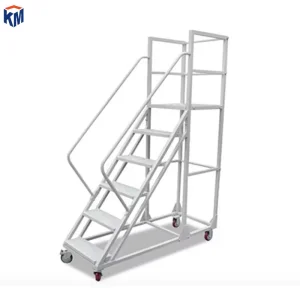
In high-speed sorting warehouses, stock pickers must continuously ascend and descend. Mobile rolling steel ladders with handrails and wide steps allow operators to transport cargo boxes with both hands safely, maintaining rapid, fatigue-free picking cycles.
Mechanics require stable platforms that resist hydrocarbon exposure and grease. Non-slip grating steps combined with caster locking mechanisms (such as weight-activated step locks or manual central levers) ensure that platforms remain immobilized when technicians apply torque to heavy engine blocks or industrial assembly components.
In supermarket environments, equipment must balance narrow-aisle maneuverability with customer-safe design. Lightweight aluminum mobile stairs with wrap-around handrails allow staff to quickly replenish shelves without blocking narrow aisles or presenting sharp corners that could pose risks to customers.
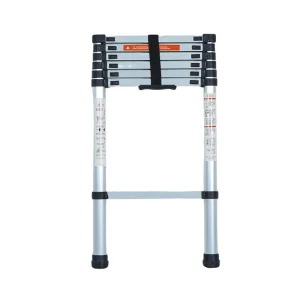
For uneven terrain, adjustable-leg telescoping ladders built with heavy-duty cast joints provide the required adaptability. Protective anodization prevents oxidization under rain or mud exposure, extending product service life in challenging environments.
An Industry Leader in Research, Manufacturing, and Quality Management of Advanced Logistics Gear.
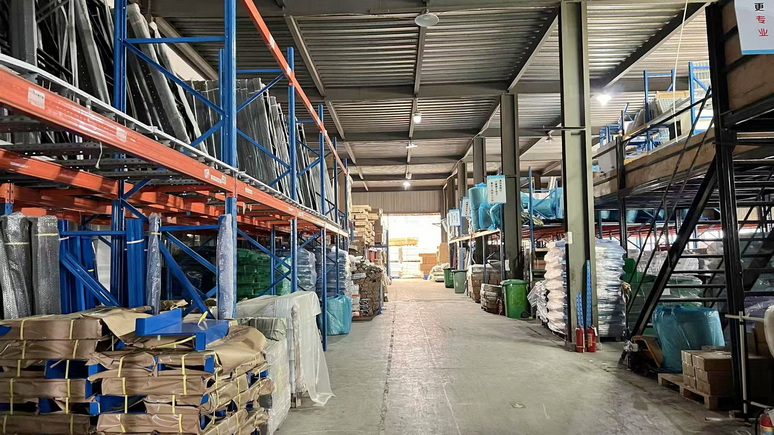
Established in 2007, Ningbo Okapi Logistics Co., Ltd. has developed into a leading global manufacturer integrating scientific research and development, fabrication, and international sales. With a production facility spanning nearly 10,000 square meters (and a dedicated factory floor area of 3,000-5,000 square meters), the company employs between 101 to 200 skilled individuals. Okapi's core engineering strength lies in its specialized management and technical teams, which feature 4 expert design technicians and 4 dedicated quality management personnel who supervise every stage of fabrication.
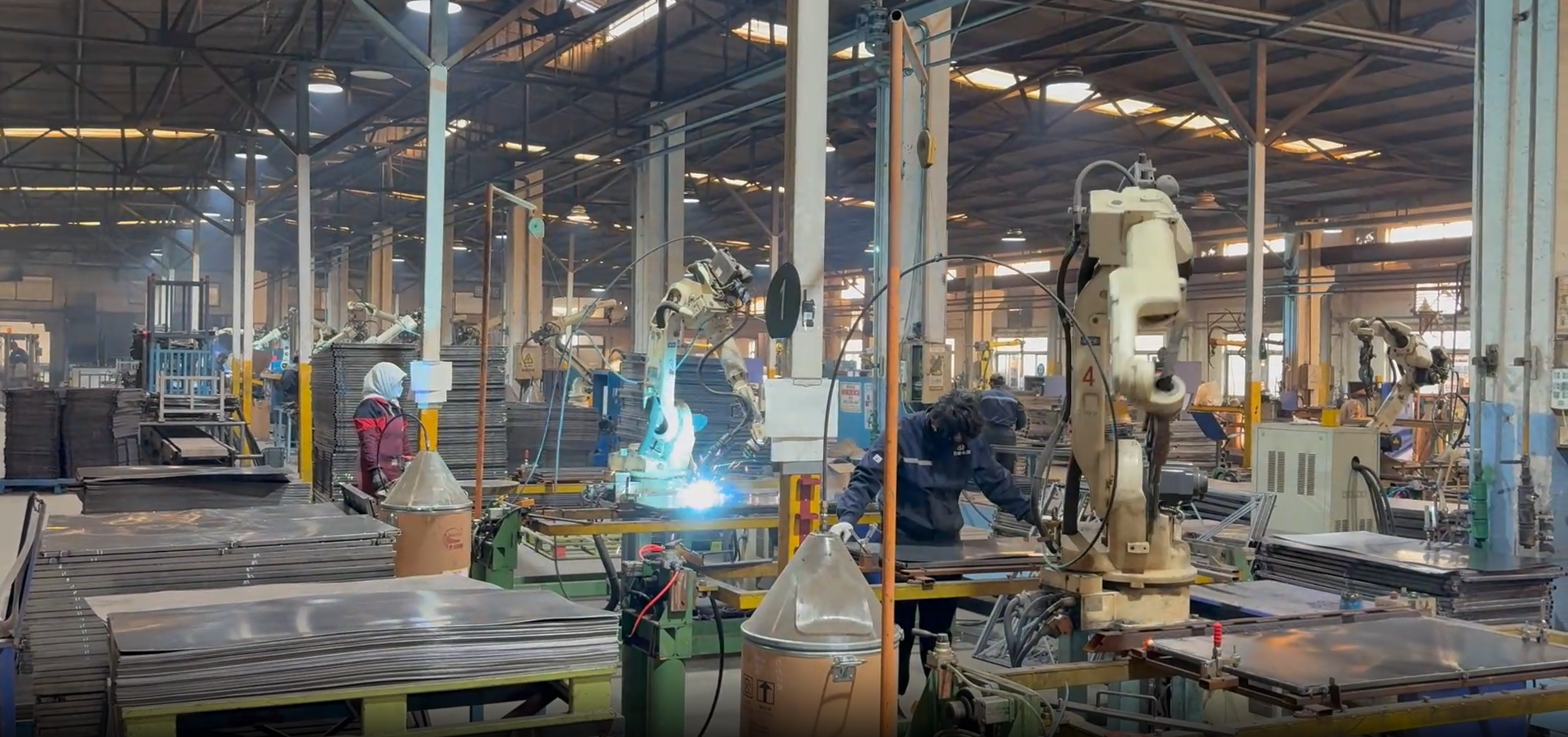
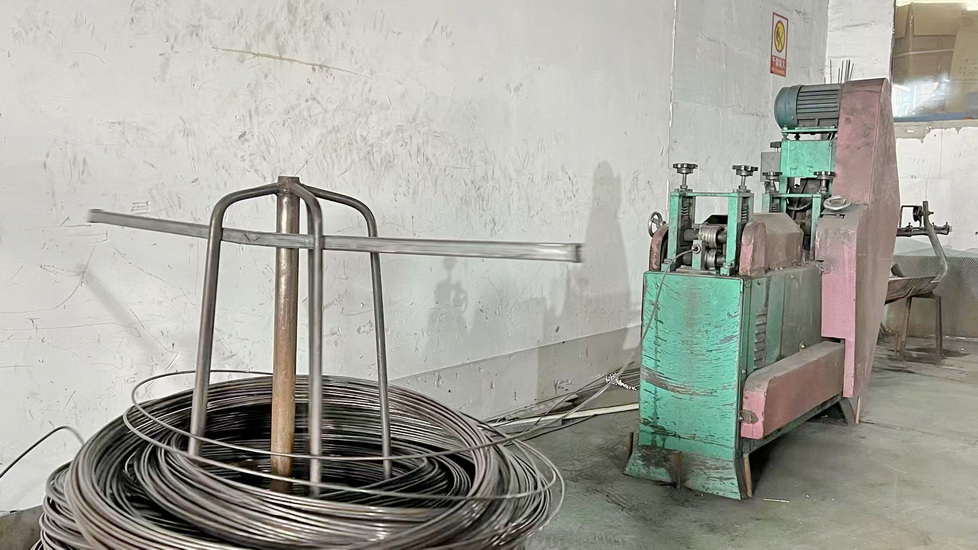
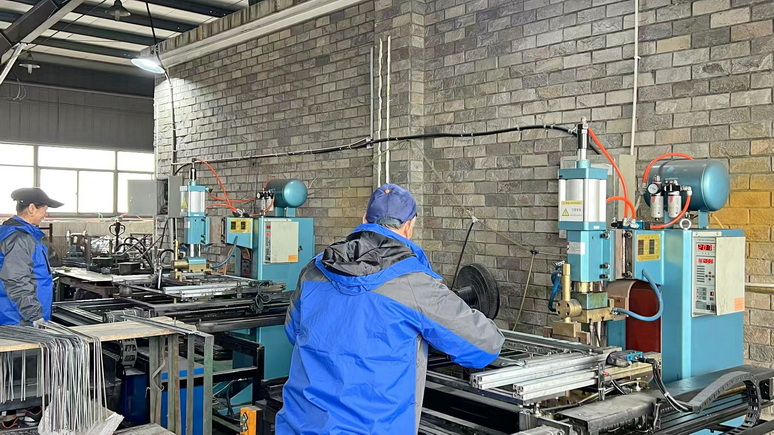
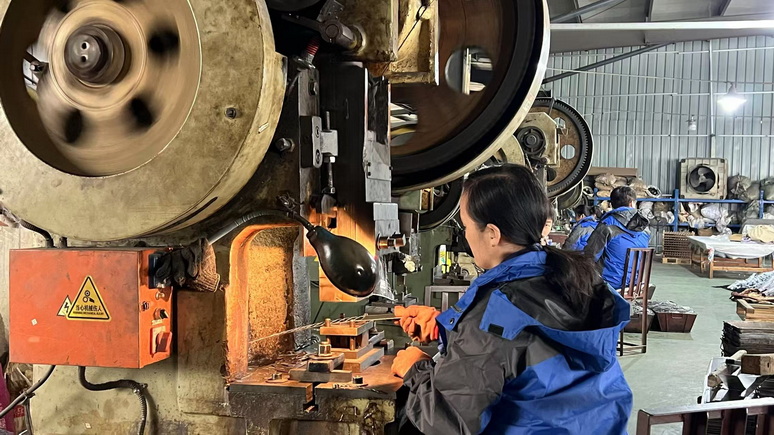
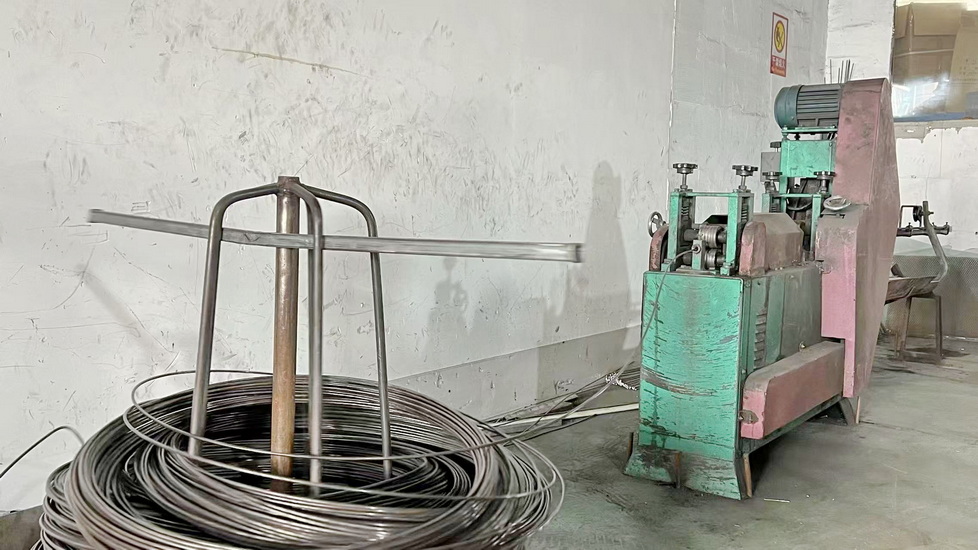
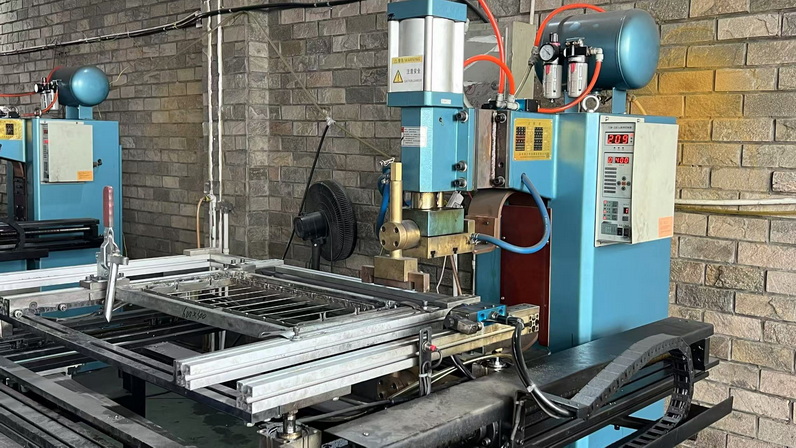
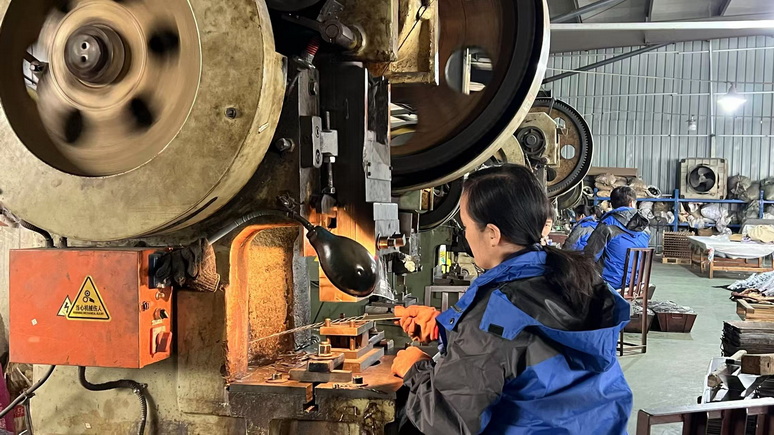
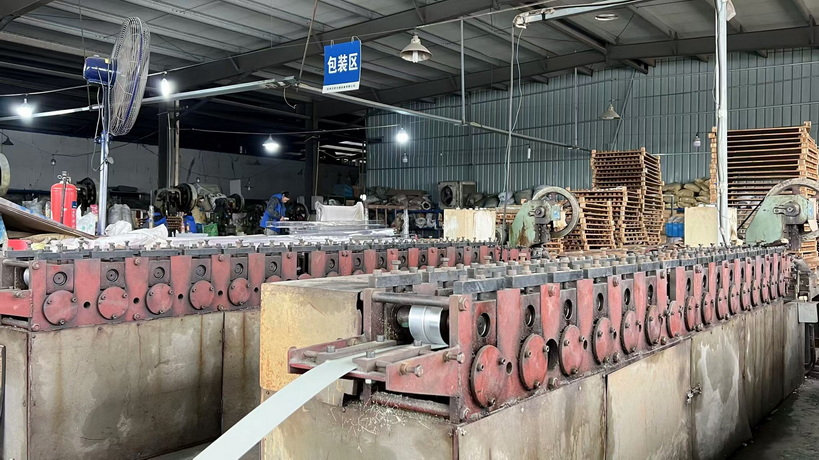
The manufacturing floor features modern machinery, including advanced stamping, drawing, resistance welding, wire cutting, riveting, and metal machining equipment. Okapi has optimized its workflow to meet the diverse requirements of modern industries, delivering products that save warehouse space, reduce operational costs, and maximize throughput. Their high-capacity, robust solutions are widely utilized in automotive manufacturing, major retail supermarkets, logistics operations, maritime shipbuilding, chemical processing, and other manufacturing fields.
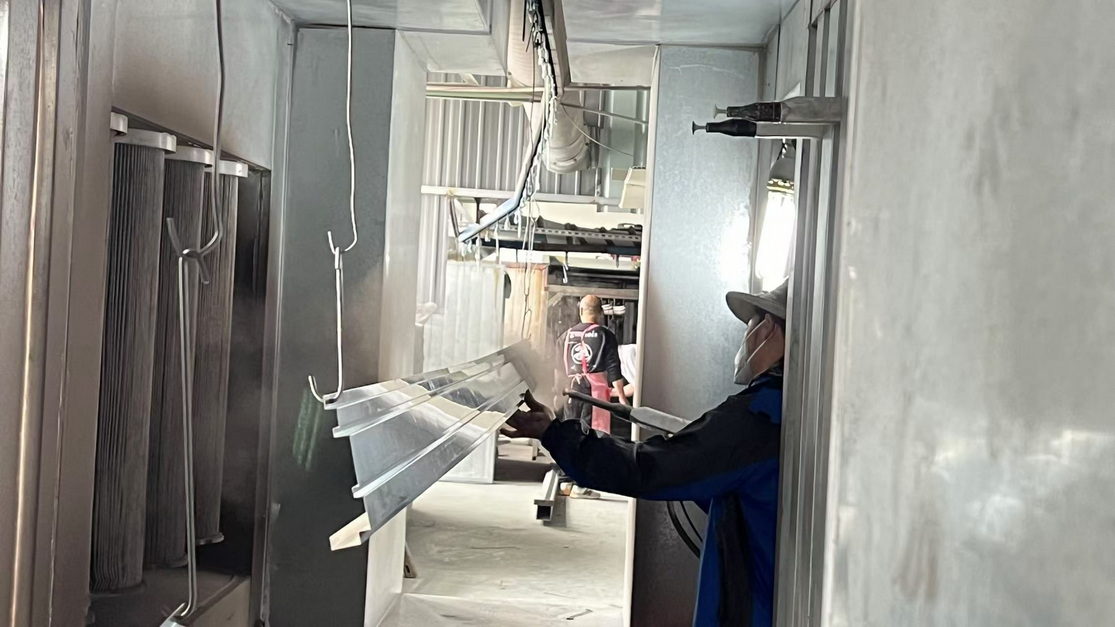
Industrial procurement officers seeking commercial logistics hardware must conduct deep structural audits to ensure reliable supply. A simple lowest-unit-cost approach often results in hidden operational expenses, including premature component failure, safety liability issues, and delayed project timelines.
The following checklist provides a framework for analyzing potential partners during supplier reviews:
The logistics equipment market is shifting toward lightweight, smart, and modular designs. We are seeing a move away from heavy, welded steel platforms toward modular, high-tensile aluminum structures. These systems use mechanical fastening joints instead of permanent welds. This shift allows for more efficient flat-pack shipping, which helps reduce international ocean freight costs. It also makes it easier to replace individual components in the field, eliminating the need to discard entire damaged ladders.
Furthermore, safety systems are becoming increasingly proactive. Innovative manufacturers are developing steps with built-in electronic locking indicators and non-slip step illumination for low-light distribution centers. This keeps the equipment aligned with evolving ESG (Environmental, Social, and Governance) corporate mandates.
Key technical queries regarding rolling mobile ladders and warehousing equipment answered by structural engineers.
High-capacity storage shelves, multi-directional trolleys, and structural mobility systems for heavy industries.