Okapi Logistics
Okapi Logistics
Okapi Logistics
Ningbo Okapi Logistics Co., Ltd. stands at the forefront of heavy-duty industrial storage design and material handling engineering. As a premier, scientifically-driven manufacturer, we integrate research, mechanical design, high-precision manufacturing, global distribution, and lifecycle engineering services. Strategically operating a production facility spanning nearly 10,000 square meters, we maintain a dedicated workforce of highly trained assembly technicians, structural engineers, and quality controllers.
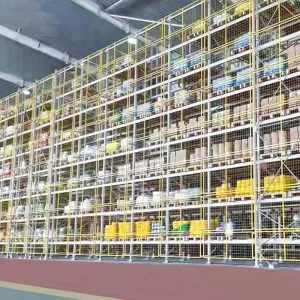
Our core capabilities focus on delivering comprehensive, tailor-made solutions to resolve complex logistics challenges, optimize vertical warehouse footprint efficiency, reduce shipping tare weights, and ensure safe cargo transit. We specialize in custom heavy-duty metal racks, heavy-duty logistics trolleys, space-saving storage cages, returnable steel packing systems, industrial pallets, and localized home/pet utilities tailored for major enterprise supply chains.
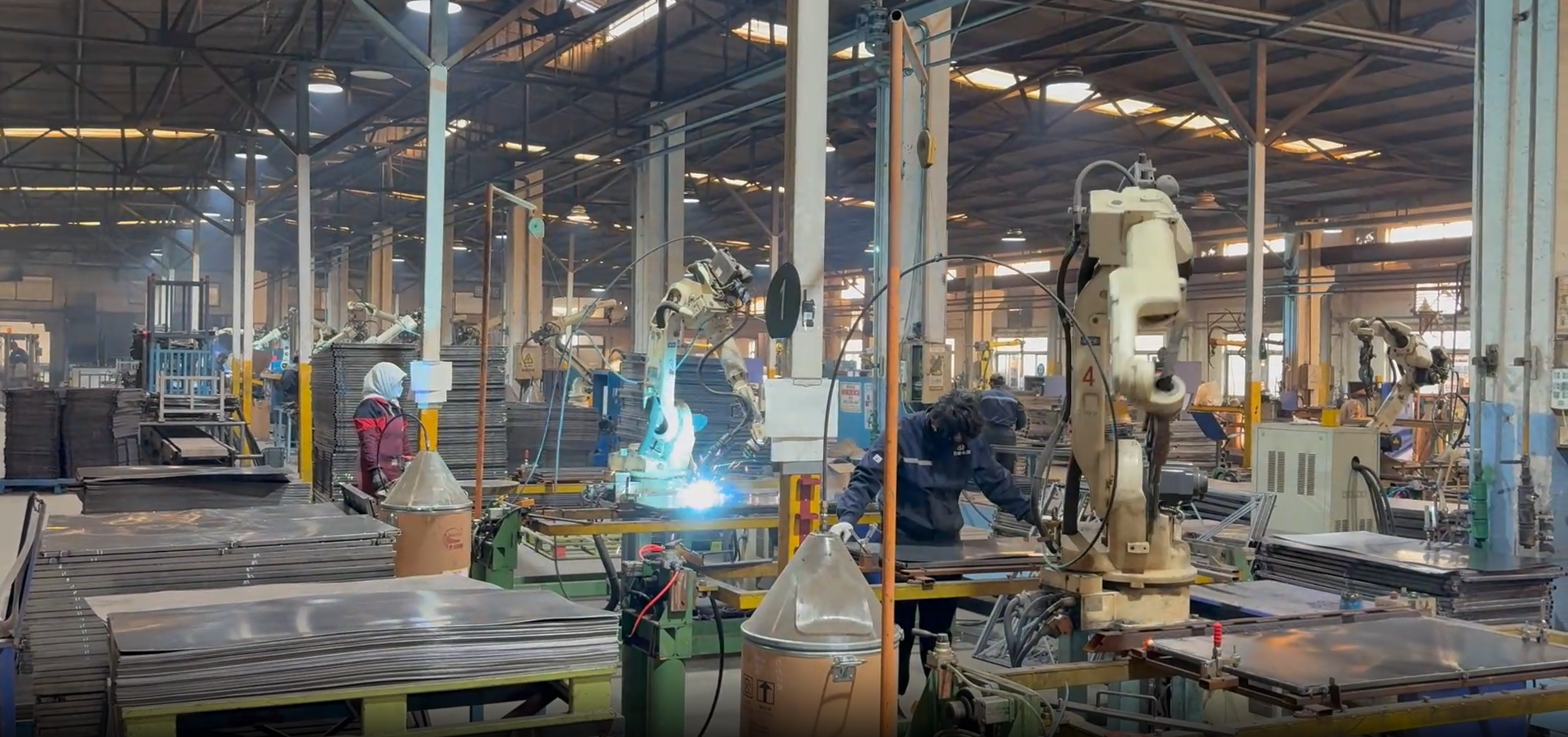
To sustain rigorous tolerances required by advanced warehouse robotics and automated storage/retrieval systems (ASRS), Ningbo Okapi Logistics employs sophisticated production processes. Our mechanical engineers leverage state-of-the-art metal forming, welding, and surface treatment technologies to guarantee high durability and exact dimensional repeatability.
High-tonnage hydraulic and mechanical stamping presses shape thick structural gauge sheet steel with extreme precision, allowing us to build high-load capacity columns, custom container corners, and dynamic reinforcement channels.
Utilizing computer-controlled resistance welding and advanced gas metal arc welding (GMAW/MIG), our setups yield robust, clean weld joints capable of absorbing severe structural stress without shear failures.
Sub-millimeter wire cutting (EDM) and high-speed CNC machining centers manufacture custom components, locking mechanisms, and specialized mechanical interfaces for modular, collapsible cargo containers.
In modern industrial logistics, storage systems are no longer treated as passive iron shelves. They serve as dynamic elements of a continuous supply chain. As automated guided vehicles (AGVs), autonomous mobile robots (AMRs), and sophisticated warehouse management systems (WMS) redefine logistics throughput, the physical hardware—the metal racks, gravity-flow shelving, stackable cages, and heavy-duty transport pallets—must satisfy strict engineering tolerances. Choosing an experienced, quality-centric OEM manufacturer like Ningbo Okapi Logistics ensures that your physical assets match the accuracy and performance of your digital automation systems.
Operating out of Ningbo, Zhejiang province provides our clients with exceptional maritime, industrial, and raw material access. Our proximity to the Ningbo-Zhoushan port—one of the busiest container ports in the world—reduces outbound domestic freight costs and optimizes transit timelines. We source raw materials directly from key domestic steel producing hubs in China, allowing us to secure premium-grade Q235 and Q345 hot-rolled and cold-rolled steel at competitive prices. This raw-material cost advantage is passed directly to the buyer without compromising structural load ratings.
Furthermore, the local industrial cluster in Zhejiang offers robust supply chain security. Whether we require customized zinc-electroplating, heavy duty polyurethane caster wheels, or specialized high-density polyethylene (HDPE) resins, our integrated supply network responds in real-time. This density of local expertise prevents raw material bottlenecks, securing a consistent peak-season lead time of 1-3 months and an off-season lead time of just one month.
Procuring commercial storage systems internationally involves navigation of regulatory compliances, safety codes, and dimensional standardization. Global buyers require hardware that strictly aligns with local safety mandates:
Through our comprehensive quality control protocols managed by four in-house QC inspectors, Ningbo Okapi Logistics ensures that every weld, structural plate, and powder-coating batch meets these rigorous global expectations.
The industrial warehousing sector is undergoing a major shift. To remain competitive, enterprise buyers are prioritizing three technological trends:
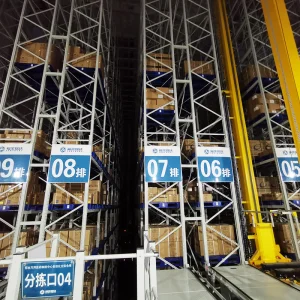
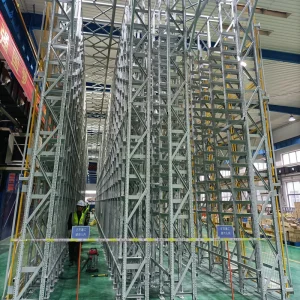
Automation Readiness (ASRS-Ready): Modern racking systems must feature extremely low structural deflection tolerances. Automated storage and retrieval system cranes and shuttles require precision positioning down to the millimeter. Even a minor sag in a beam under maximum load can trigger sensor faults and system shut-downs. Our heavy-duty beam racking systems are designed with high-strength structural profiles to minimize dynamic deformation under maximum load.
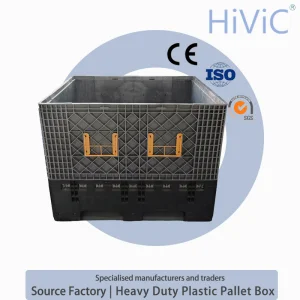
Modularity and Collapsibility: Rigid logistics packaging incurs high return-freight costs. Collapsible structures, such as our folding turn-over plastic pallet boxes, allow global operators to compress return volumes by up to 75%, lowering greenhouse gas emissions per trip.
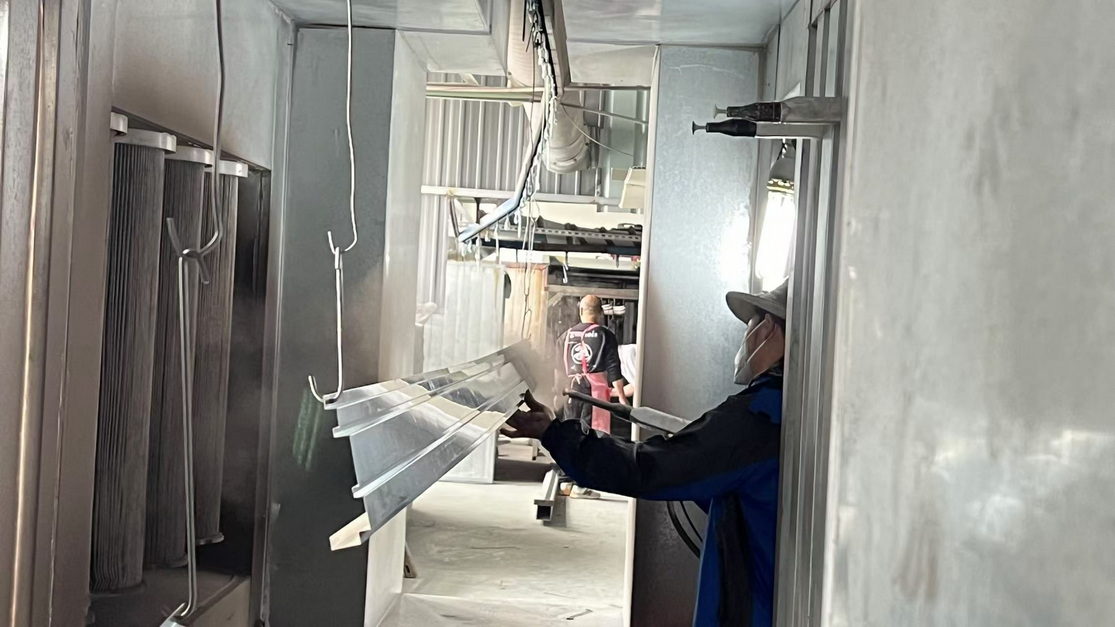
Green Logistics: The demand for recyclable materials has made all-steel construction and non-toxic powder coats standard. Zinc plating and hot-dip galvanization are preferred for applications requiring moisture resistance, avoiding the hazardous emissions associated with traditional liquid solvent paints.
Our custom OEM commercial storage equipment serves a diverse range of industries, each with unique requirements:
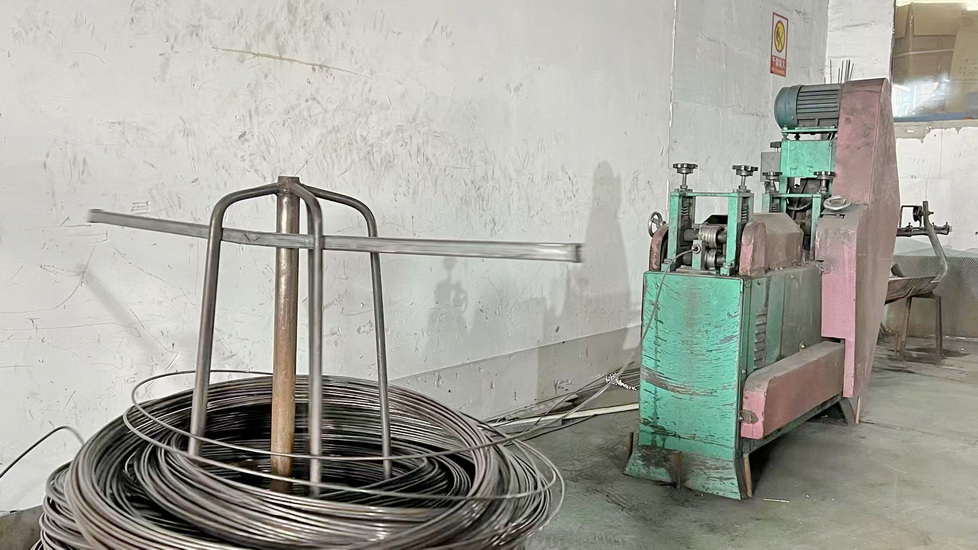
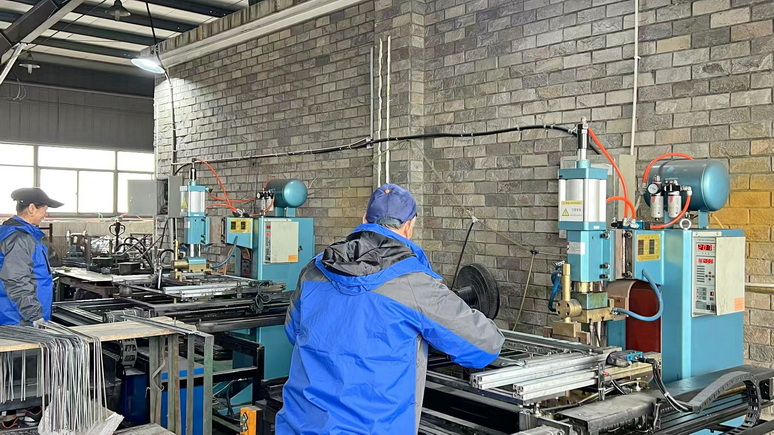
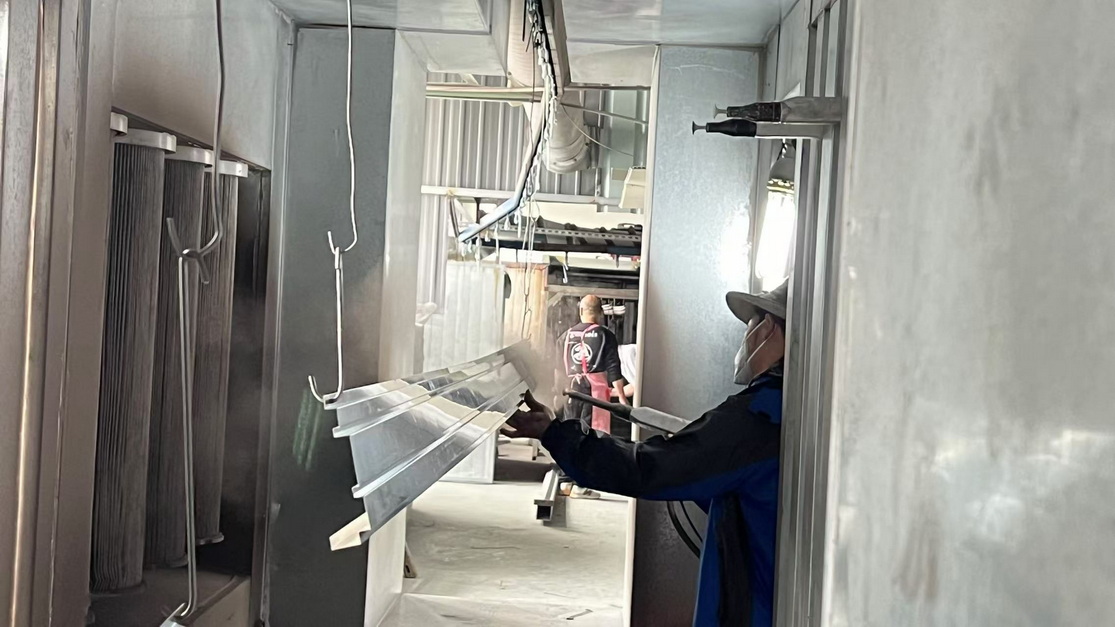
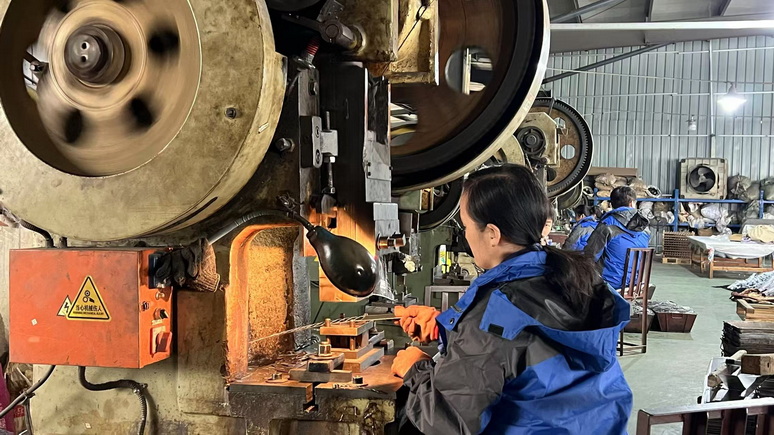
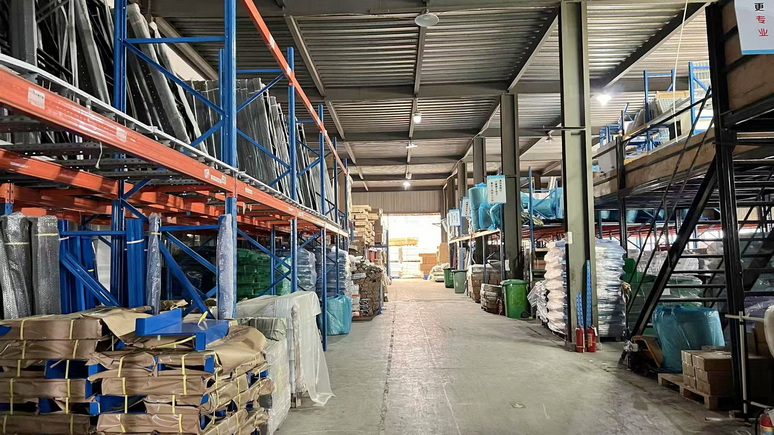
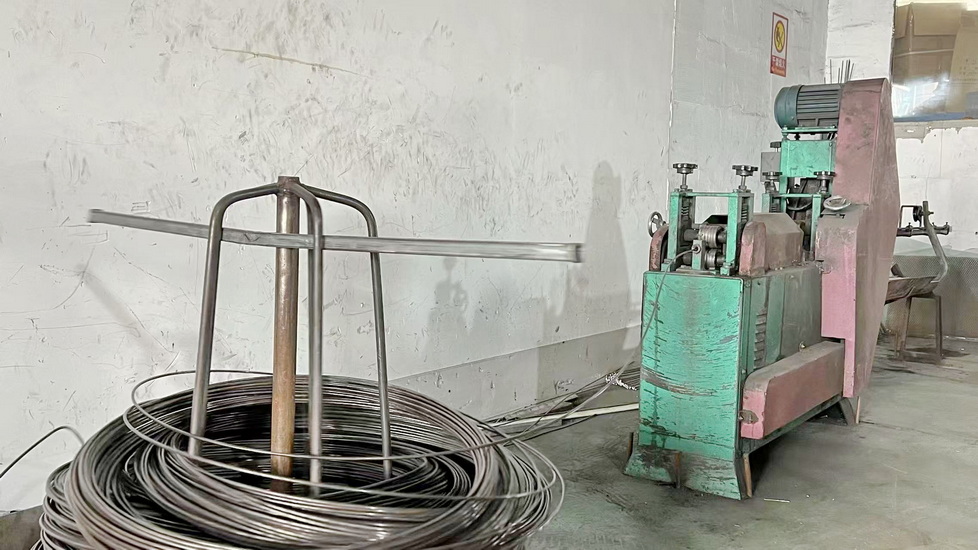
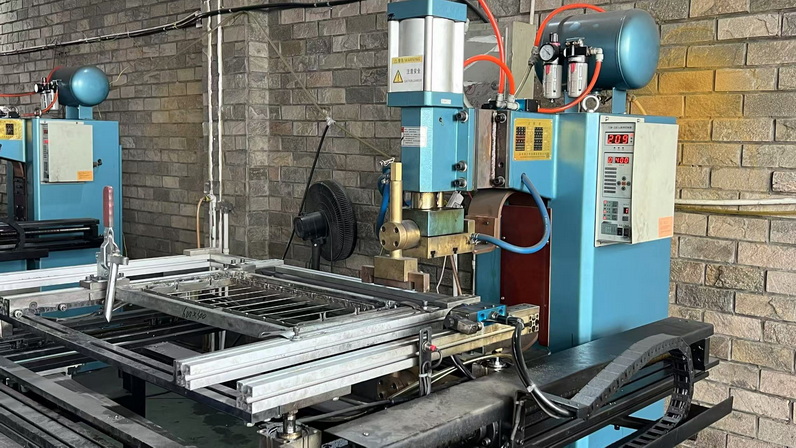
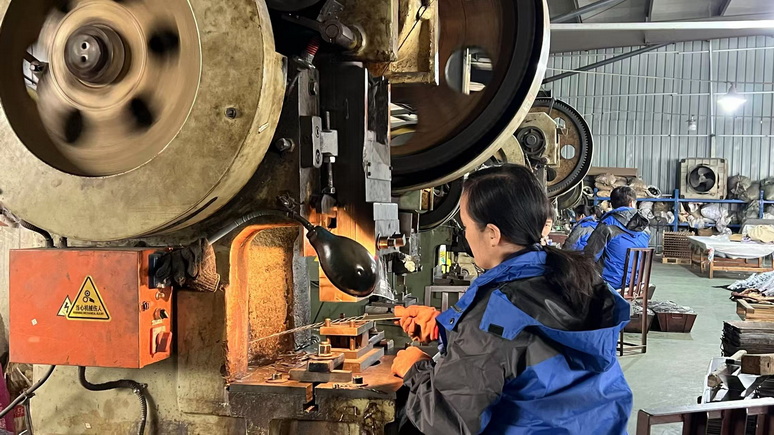
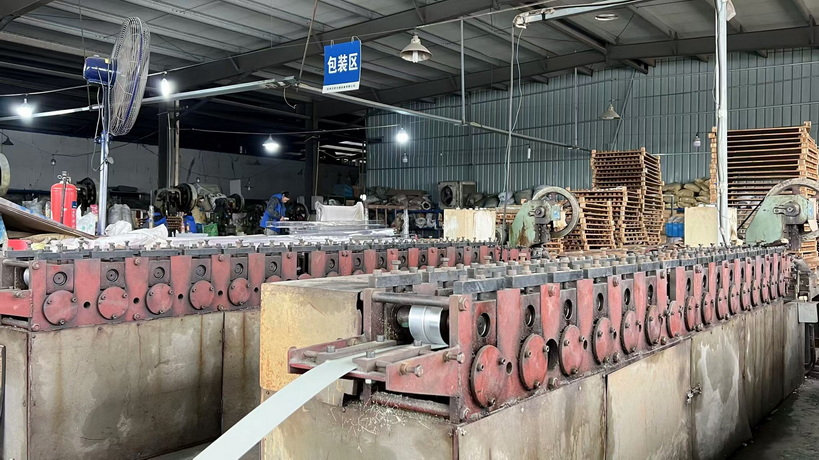
We build our commercial shelving systems and transport racking using certified, premium structural carbon steels, primarily Q235 and Q345 grades. In terms of yield strength and elongation properties, these align with European S235JR / S355JR and American ASTM A36 / A572 standards. Welding processes conform to ISO 3834 and AWS D1.1 specifications, using gas metal arc welding (MIG) with carbon dioxide-argon shielding. This technique ensures high fusion depth and eliminates slag inclusions. Our load testing methodologies follow FEM 10.2.02 and RMI standards, maintaining structural safety margins of at least 1.5 to 2.0 times the stated safe working load.
Our OEM services utilize a structured engineering framework. We initiate design processes by gathering user requirements, including details on mechanical dimensions, handling methods, temperature ranges, and static or dynamic load stresses. Our four structural engineering technicians compile initial CAD drafts and 3D SolidWorks models, performing FEA stress analysis to identify load bottlenecks. After the digital design phase, we build rapid physical prototypes using CNC milling, precision wire cutting, and custom tooling. These prototypes undergo real-world load, stacking, and shipping impact tests. Once approved, the product is transitioned to our stamping and automated resistance-welding lines for volume manufacturing.
Quality control is integrated across three distinct operational phases. First, incoming raw materials undergo verification, where steel batches are checked for chemical composition and tensile strength. Second, during production, our four in-house quality controllers monitor welding integrity, dimensional tolerances, and plating thicknesses. We utilize specialized testing instruments, including ultrasonic weld testers, electronic coating thickness gauges, and load-deflection test jigs. Finally, finished goods are subjected to final inspection protocols, including salt spray testing (ASTM B117) for galvanized and powder-coated parts to verify corrosion resistance, ensuring durability in coastal shipping environments.
We provide flexible Incoterms including FOB (Free on Board) Ningbo/Shanghai, CFR (Cost and Freight), and CIF (Cost, Insurance and Freight) to destination ports worldwide. For payment terms, we accept Letter of Credit (L/C) at sight and Telegraphic Transfer (T/T). Standard terms involve a 30% deposit with the remaining 70% paid against presentation of the Bill of Lading (B/L). We coordinate with global freight forwarders to optimize shipping container packing efficiency, reducing overall shipping costs for heavy freight.
Collapsible turnover box containers offer substantial return-logistics savings. In closed-loop supply chains, empty containers must be shipped back to the source. Rigid containers occupy the same volume empty as they do full, resulting in high freight costs. A collapsible container can fold down to a fraction of its open height, allowing logistics teams to load up to four times as many collapsed boxes into a single return vehicle. This design reduces transportation costs, lowers carbon emissions, and saves valuable storage space when the containers are not in use.