 Okapi Logistics
Okapi Logistics
Okapi Logistics
In the ever-evolving world of logistics, efficiency is crucial. Businesses constantly seek methods to enhance operations. One vital area to examine is packaging. Efficient packaging not only reduces waste but also minimizes costs. Understanding how to improve packaging efficiency in logistics can lead to significant advancements.
In recent years, companies have noticed the impact of packaging on their supply chains. Innovations like eco-friendly materials and smart packaging technology have emerged. However, not all strategies yield the same results. Some methods may even complicate processes rather than simplify them. It's essential to evaluate what works best for specific operations.
Many organizations overlook the importance of training staff on packaging techniques. Proper training can drastically improve performance. Yet, some prefer to cut corners, leading to inefficiencies. Reflecting on successes and failures in packaging strategies is essential. The quest for packaging efficiency is ongoing, with lessons learned shaping future practices.
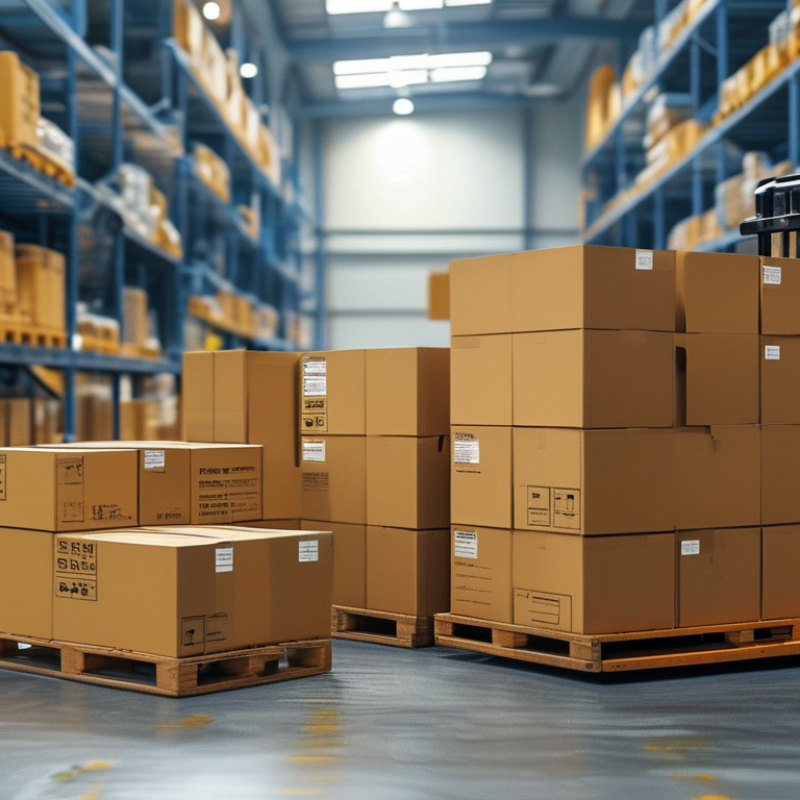
Innovative design approaches can drastically enhance packaging efficiency in logistics. One key strategy involves utilizing materials that are lighter yet equally durable. This changes the weight dynamic and may reduce shipping costs. Brands often overlook the importance of sustainable materials. They can be both effective and environmentally friendly.
Another effective approach is modular packaging. By designing packages that can be easily stacked or assembled, companies can maximize space in transport. This often requires creative thinking but pays off in reduced shipping costs. On the flip side, not all designs will work for every product. Testing is essential to ensure packages meet specific needs.
From a consumer perspective, user-friendly designs can significantly boost efficiency. Easy-to-open packages reduce time during unpacking. However, companies sometimes struggle with the balance between security and convenience. Reflecting on consumer feedback can lead to better designs that fulfill both requirements. Overall, while innovative design in packaging holds great potential, constant evaluation and adaptation are crucial for true efficiency.
: Innovative design can enhance efficiency by using lighter materials and modular packaging to save space during transport.
Modular packaging involves designing boxes that stack easily, maximizing space and potentially lowering shipping costs.
Sustainable packaging reduces waste and can lower logistics costs, improving brand reputation and profitability.
Biodegradable options like cornstarch and recycled paper are effective and often more cost-efficient than traditional plastics.
Testing packaging designs is vital. Regular evaluations can help identify if they fulfill specific product requirements.
Technology, like advanced software, can optimize material selection and design, helping reduce waste and improve efficiency.
Yes, reliance on technology can cause disruptions, especially due to software updates. Regular staff training is essential.
Regular assessments and real-time monitoring can identify inefficiencies, allowing for timely adjustments and improvements.
Reflecting on consumer feedback can lead to better designs that offer the right balance between security and user convenience.
While recyclable materials are beneficial, they must still provide the necessary durability to protect products effectively.
In the pursuit of enhancing logistics, businesses are continually seeking ways to improve packaging efficiency. To address the question of "How To Improve Packaging Efficiency In Logistics," one effective strategy is to adopt innovative design approaches that optimize the use of space and materials, thereby reducing waste. Complementing design innovation, leveraging advanced technologies can streamline packaging processes, utilizing automation and data analytics to enhance speed and accuracy.
Additionally, the shift towards sustainable packaging materials not only promotes environmental responsibility but also results in cost savings, making logistics operations more economical. Implementing best practices in packaging optimization throughout the supply chain further ensures consistency and efficiency. Finally, investing in training and development for the workforce fosters a culture of continuous improvement, empowering employees to contribute effectively to packaging efficiency goals. Together, these strategies will significantly advance logistics performance and sustainability.
