Okapi Logistics Okapi Logistics

10 Technologies Transforming the Logistics Industry Today?

Time:2026-06-04 Author:Charlotte
0%

In today's fast-paced world, logistics plays a crucial role in global trade. As businesses aim to meet rising demand, efficiency is key. This raises the question: What technologies are transforming the logistics industry?

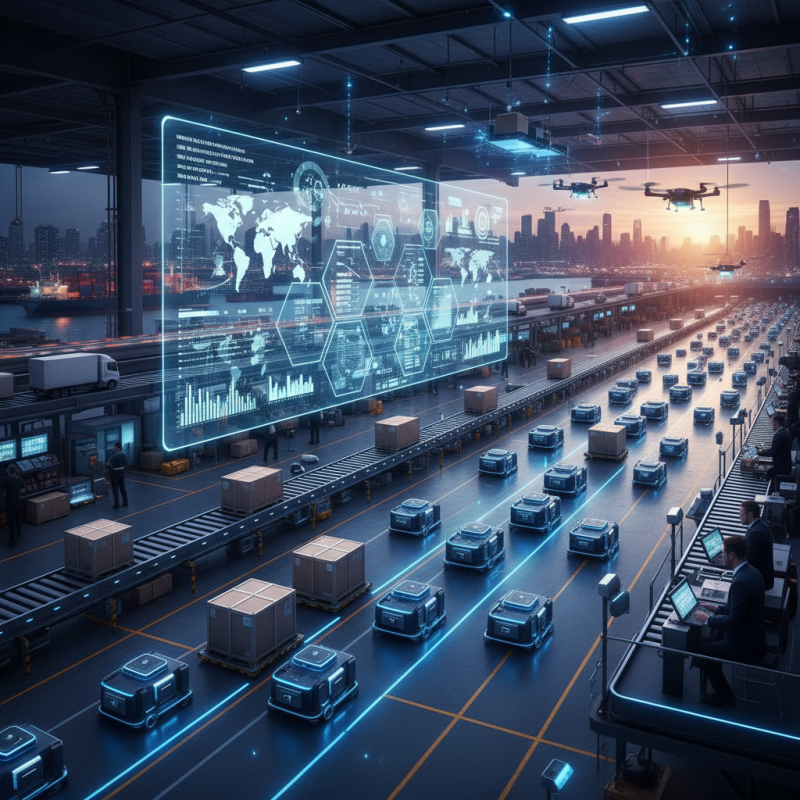
Recent advancements are reshaping logistics. For instance, automation is speeding up processes. Drones and robots are now commonplace in warehouses. These innovations help minimize human error and improve delivery times. Another significant technology is big data analytics. It provides insights for better decision-making. However, relying solely on technology may lead to unforeseen challenges.

As we explore these transformative technologies, the impact on jobs and traditional methods becomes evident. Change can be daunting. Instances of resistance to new systems show that adaptation is not always smooth. While technology offers numerous benefits, reflection on its broader implications is essential. The logistics industry stands on the brink of a technological revolution, an exciting yet uncertain journey.
10 Technologies Transforming the Logistics Industry Today?

Emerging Trends in Logistics: Key Technologies Reshaping the Industry

In the logistics industry, key technologies are driving significant transformation. According to a recent report by Statista, the global logistics market is expected to reach $15.5 trillion by 2023. This growth is fueled by emerging technologies like automation, artificial intelligence (AI), and the Internet of Things (IoT). These innovations improve efficiency, reduce costs, and enhance service levels across the supply chain.

Automation plays a critical role. Robots are increasingly handling tasks like sorting and packing. This shift reduces labor costs by up to 20%, as noted by McKinsey. However, companies face challenges in implementing these technologies effectively. A lack of skilled workers creates hurdles. Furthermore, reliance on automated systems can lead to vulnerabilities. Cybersecurity concerns are more prominent as logistics firms digitize operations.

AI and data analytics empower logistics managers to make informed decisions. Real-time data enhances visibility along the supply chain. A report from Deloitte highlights that 79% of firms see improved customer satisfaction due to these insights. Yet, many organizations struggle with integrating these tools seamlessly. Data silos still exist, hampering overall efficiency. As logistics continues to evolve, addressing these gaps will be essential for sustainable growth.

10 Technologies Transforming the Logistics Industry Today

This chart illustrates the impact of emerging technologies on the logistics industry, highlighting the percentage of companies adopting each technology.

Impact of Artificial Intelligence on Supply Chain Efficiency

The logistics industry is experiencing a dramatic shift due to technological advancements. Artificial intelligence (AI) plays a pivotal role in enhancing supply chain efficiency. AI systems can analyze vast amounts of data quickly, informing better decision-making. This capability allows companies to predict demand and optimize inventory levels. Real-time insights decrease the chances of stockouts or overstock situations.

However, implementing AI is not without challenges. Many companies struggle with integrating AI into existing systems. This leads to inconsistencies and data silos. Moreover, there is a learning curve involved for employees. Ensuring that the workforce is trained adequately is crucial. The transition demands time and resources, which can be a significant hurdle.

Despite these barriers, the benefits are evident. AI algorithms can automate routine tasks, freeing up human resources for strategic planning. Such efficiency gains can lead to cost savings and faster delivery times. Businesses that adapt to these changes are likely to thrive. Nonetheless, every step forward should consider potential flaws. Continuous evaluation of AI tools is necessary to ensure they align with operational goals.

The Role of IoT in Real-Time Inventory Management Solutions

The Internet of Things (IoT) is revolutionizing real-time inventory management in logistics. By utilizing smart sensors and connected devices, companies can monitor stock levels from anywhere. This technology creates visibility, allowing businesses to make informed decisions promptly. Data collection is precise, which reduces human error.

However, implementing IoT solutions can be challenging. Initial costs may deter some businesses. Moreover, integrating new systems with legacy infrastructure is often complex. There is also the risk of over-reliance on technology, which can lead to vulnerabilities if systems fail. Balancing innovation with practical needs is essential.

Real-time updates on inventory help in addressing out-of-stock situations more efficiently. This minimizes waste and enhances customer satisfaction. Despite its potential, companies must remain cautious. Training staff and protocols are vital to avoid disruptions. Overall, IoT can significantly enhance inventory management if businesses address these concerns.

How Autonomous Vehicles are Revolutionizing Freight Transportation

Autonomous vehicles are reshaping the logistics industry in unprecedented ways. According to a report by the International Transport Forum, these vehicles could reduce logistics costs by up to 40% by 2030. This transformation is driven by improved efficiency and reduced human error. The capability of autonomous trucks to operate safely in various conditions enhances delivery reliability.

Recent data shows that approximately 70% of freight goods are transported by trucks in the U.S. However, the shortage of truck drivers creates challenges. Autonomy can alleviate this issue, as these vehicles can operate around the clock. Innovative technologies, like AI and machine learning, are crucial in advancing navigation and safety systems. Yet, there are concerns. The impact on jobs and regulatory hurdles remain significant.

The potential for autonomous freight vehicles extends beyond cost savings. These technologies promote sustainability. A study from McKinsey suggests that autonomous trucks could reduce greenhouse gas emissions by 30%. However, the shift demands caution. Addressing the ethical implications and ensuring cybersecurity is essential as the industry evolves. Autonomy in logistics presents exciting opportunities, but careful consideration is required to navigate the challenges ahead.

Blockchain Technology: Enhancing Transparency and Security in Logistics

Blockchain technology is revolutionizing the logistics industry by enhancing transparency and security. According to a recent report by the World Economic Forum, the logistics industry could see a 15% cost reduction through the implementation of blockchain by 2025. This technology allows for secure, real-time tracking of goods, minimizing disputes and delays.

With blockchain, stakeholders gain access to immutable records of transactions. This transparency helps build trust among partners. A study by Deloitte found that 40% of respondents believe blockchain will enhance security and visibility in their supply chain. This could lead to a 20% reduction in theft and fraud.

Tips: Implementing blockchain requires strategic planning. Start with small pilot projects to test its effectiveness. Collaborate with experienced partners to understand the technology better.

Despite its potential, challenges exist. The need for industry standards and interoperability is critical. Adoption is slow due to legacy systems. Companies must balance innovation with their existing processes. Addressing these issues is essential for successful integration.

10 Technologies Transforming the Logistics Industry Today

Technology Benefits Applications Impact on Logistics
Blockchain Enhances security and transparency Supply chain tracking, smart contracts Reduces fraud and increases trust among parties
IoT Real-time data collection Asset tracking, monitoring shipments Improves operational efficiency
Artificial Intelligence Optimizes supply chain operations Demand forecasting, route optimization Lowers costs and improves delivery times
Drones Faster delivery options Last-mile delivery, inventory management Reduces delivery times, increases area coverage
Robotics Automation of repetitive tasks Warehouse operations, fulfillment Increases efficiency and reduces human error
Cloud Computing Scalable resources Data storage, collaborative tools Enhances data accessibility and collaboration
Augmented Reality Improves picking accuracy Training, warehouse navigation Reduces errors and training times
Big Data Analytics Informed decision making Market trends, performance analysis Enhances strategic planning
5G Technology Faster data transmission IoT devices, real-time tracking Improves responsiveness and connectivity
Smart Containers Real-time monitoring Temperature control, tracking Enhances product safety and quality

FAQS

: How does

I improve supply chain efficiency?

What challenges come with implementing AI in supply chains?

Companies often face integration issues and data silos, leading to inconsistencies.

Why is employee training important for AI adoption?

Adequate training helps employees adjust to AI tools, avoiding confusion and inefficiency.

What are some benefits of using AI in logistics?

AI automates routine tasks, enabling faster delivery times and cost savings.

How does blockchain enhance transparency in logistics?

Blockchain provides secure, real-time tracking of goods, reducing disputes and delays.

What is a suggested approach for implementing blockchain?

Start with small pilot projects to test the technology's effectiveness in real scenarios.

What are potential drawbacks of blockchain technology?

Slow adoption occurs due to legacy systems and the need for industry standards.

How can companies build trust among supply chain partners?

Blockchain's immutable records enhance transparency, fostering trust in partnerships.

What percentage reduction in costs could blockchain bring to logistics by 2025?

Implementing blockchain could lead to a 15% cost reduction in the logistics industry.

Why should businesses continually evaluate their AI tools?

Regular assessments ensure that AI tools align effectively with operational goals.

Conclusion

The logistics industry is undergoing a significant transformation driven by various emerging technologies. Key technologies reshaping the industry include Artificial Intelligence (AI), which enhances supply chain efficiency by improving demand forecasting and optimizing resource allocation. The Internet of Things (IoT) plays a crucial role in real-time inventory management, providing businesses with the ability to monitor stock levels and automate replenishment processes. Additionally, the advent of autonomous vehicles is revolutionizing freight transportation, creating new opportunities for efficiency and cost savings.

Blockchain technology is another critical driver of change, enhancing transparency and security in logistics operations. By enabling secure, tamper-proof transactions, blockchain fosters trust among stakeholders in the supply chain. Overall, understanding "What Technologies Are Transforming the Logistics Industry" is essential for companies looking to adapt to these advancements and maintain a competitive edge in a rapidly evolving market.

Charlotte

Charlotte

Charlotte is a seasoned marketing professional with a deep understanding of the company's portfolio and a passion for elevating its presence in the market. With a keen eye for detail and a commitment to excellence, she ensures that our professional blog is regularly updated with insightful articles......