Okapi Logistics Okapi Logistics

How to Reduce Logistics Costs When Importing from China?

Time:2026-11-14 Author:Amelia
0%

Importing from China can look inexpensive until freight, handling, storage, and delivery charges appear on the same invoice. Ocean shipping carries more than 80% of global trade by volume, according to UNCTAD’s Review of Maritime Transport 2024. That scale makes sea freight central to many import plans, but it does not make every shipment cheaper. A partly filled container, a missed sailing, or a few days of port storage can erase a narrow product margin.

The 2024 State of Logistics report from the Council of Supply Chain Management Professionals estimated U.S. business logistics costs at $2.3 trillion in 2023, or 8.7% of U.S. GDP. This is a national benchmark, not a forecast for any one importer. Still, it shows why transport choices deserve close attention. How To Reduce Logistics Operating Costs Effectively starts with comparing the full landed cost—not just the supplier’s quote or the ocean rate. Check carton dimensions, shipment readiness, routing, insurance, customs documentation, and destination fees before confirming an order. Ask freight providers to itemize charges, then compare consolidated freight with full-container shipping using actual cargo volume. Small details matter. A pallet that cannot be stacked may change the calculation. So can a seasonal rate spike. No spreadsheet predicts every delay, and cost cutting can create new risks. The practical goal is controlled spending: reliable delivery, clear terms, and fewer avoidable charges.
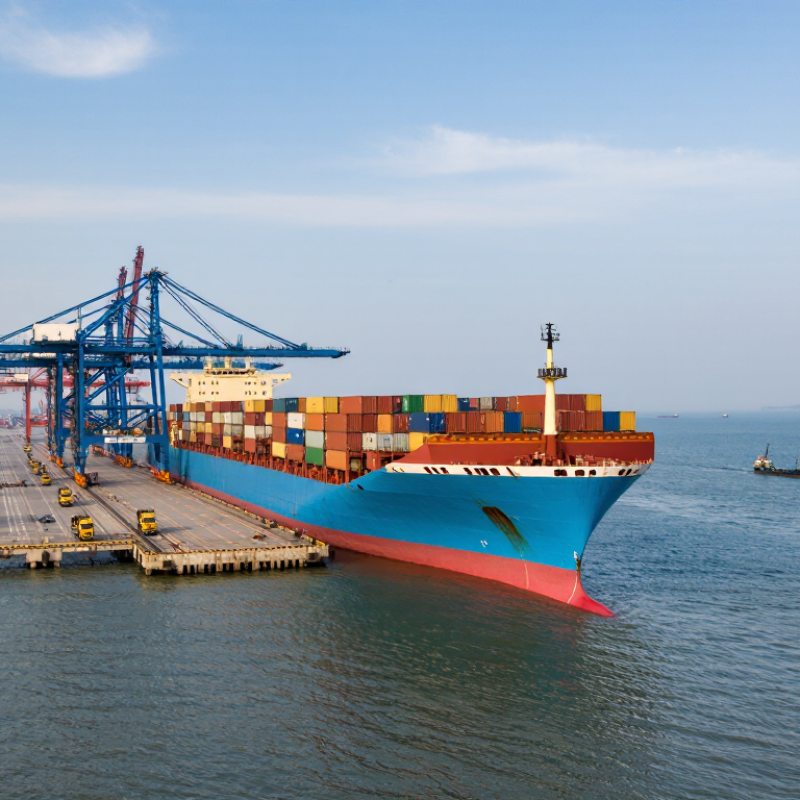
How to Reduce Logistics Costs When Importing from China?

Identify the Main Logistics Costs in China Imports

When importing from China, logistics costs begin before a shipment reaches the port. Typical origin charges include factory-to-port trucking, export handling, documentation, and terminal fees. The international freight rate follows, with cargo insurance as a separate expense. Small shipments may also incur consolidation and warehouse fees. Ask for a line-by-line quote; “freight included” can hide important charges.

Sea freight deserves close attention. UNCTAD’s Review of Maritime Transport 2024 reports that shipping carries over 80% of global trade by volume and about 70% by value. Rates can shift, so compare quotes with the same route, container type, and validity dates. At destination, budget for terminal handling, customs brokerage, unloading, and delivery to your warehouse. Duties and taxes are not logistics fees, but they still affect landed cost. Delays can add storage, demurrage, or container detention charges. Those add up fast.

The World Bank’s 2023 Logistics Performance Index assesses customs, infrastructure, shipment arrangements, logistics competence, tracking, and timeliness. These dimensions help explain why a low ocean rate may not mean a low total cost. For a practical estimate, calculate chargeable weight for air freight or cubic volume for less-than-container loads, then request destination charges from the receiving port. One quote is rarely enough. I would still leave a buffer: actual handling and waiting times can differ from the estimate.

Choose Suppliers and Order Sizes That Reduce Shipping Expenses

When comparing suppliers in China, calculate landed cost, not just unit price. A factory offering a lower quote may be farther from the export port, adding inland haulage and handling. Ask each supplier for carton dimensions, gross weight, minimum order quantity, and the pickup address. Then compare quotes using the same shipping terms and shipment volume. Small details matter.

Order size affects the cost per unit. Very small shipments often pay more per item for less-than-container-load handling, while a full container can lower average freight costs if you can sell the goods. But unused space is not savings. UNCTAD’s Review of Maritime Transport 2021 estimated that sustained increases in container freight rates could raise global import prices by 11% and consumer prices by 1.5% by 2023. That was a forecast, not a measured outcome, but it shows why freight assumptions deserve scrutiny.

Ask nearby suppliers whether they can consolidate compatible goods into one shipment, and compare the added handling fees with the freight saved. Request quotes for two or three order sizes, such as a trial shipment, a half-container, and a full container. Check delivery lead times and storage costs before increasing volume. I still see spreadsheets miss this: a cheaper per-unit freight rate can leave cash tied up in slow-moving stock. Small orders still matter. Choose the size your sales can support.

How to Reduce Logistics Costs When Importing from China: Choose Suppliers and Order Sizes That Reduce Shipping Expenses

Order Profile Supplier Strategy Approximate Cargo Volume Shipping Option to Compare Potential Cost Advantage Practical Action
Small trial order Use one supplier where possible; avoid splitting a small purchase across several factories. About 1–5 m³ Less-than-container-load (LCL) freight; compare air freight for urgent, compact, high-value goods. Fewer pickups and export-handling steps can help limit fixed charges. LCL costs are commonly calculated using cargo volume or weight, subject to the forwarder’s rules. Ask suppliers for packed carton dimensions and gross weights before approving the order. Compare the full freight and destination-charge quote, not only the ocean-freight rate.
Growing order from several factories Select suppliers in the same region or arrange delivery to one consolidation warehouse. About 5–15 m³ Consolidated LCL; compare quotes that include collection, warehouse handling, documentation, and destination charges. Combining cargo may reduce duplicated pickups and separate shipment-level fees, though consolidation and warehouse services also have charges. Set one cargo-ready date, confirm warehouse receiving requirements, and check that all suppliers can meet the consolidation schedule.
Large LCL order Consolidate suppliers into one shipment and review whether the order can be packed more efficiently. About 15–25 m³ Compare LCL with a 20-foot full-container-load (FCL) quote. At higher volumes, a dedicated container may become competitive because LCL handling and volume-based charges can add up. The break-even point depends on the route and fees. Request both options using the same origin, destination, cargo-ready date, and service scope. Include loading, port, customs-clearance, and delivery charges in the comparison.
Container-sized order Coordinate production across suppliers and deliver cargo to a single loading point. A 20-foot container can often take roughly 25–28 m³ of practical cargo; actual usable space depends on carton shape, weight, and loading restrictions. 20-foot FCL FCL can avoid some LCL consolidation and deconsolidation steps and may lower shipping cost per unit when the container is well utilized. Ask for a packing plan and confirm container payload limits. Do not rely on volume alone: dense goods may reach the weight limit before the container is full.
High-volume replenishment Plan a combined purchase forecast and use fewer, larger shipments when inventory and cash flow allow. A 40-foot high-cube container often has roughly 65–68 m³ of practical loading space, depending on cargo and packing. 40-foot high-cube FCL; compare with multiple smaller containers if weight, delivery timing, or product separation requires it. A fuller container can spread fixed shipment costs across more units, but larger orders increase inventory, storage, and working-capital costs. Compare total landed cost per sellable unit, including freight, duties, insurance, handling, storage, and the cost of holding extra stock.
Products with different production timelines Choose suppliers able to meet a shared shipping window, or separate time-critical items from slower production. Depends on the combined order One consolidated shipment versus separate shipments for ready and delayed goods. Consolidation can reduce repeated shipment charges, but waiting for the slowest supplier may delay sales or require extra storage. Agree on production milestones and a final cargo-ready date. Compare the cost of waiting with the cost of shipping ready goods separately.

Note: Cargo-volume figures are planning estimates, not guaranteed container capacities. Freight rates, chargeable weight, container availability, customs costs, and destination fees vary by route, season, cargo type, and service terms. Obtain current, comparable quotes before placing an order.

Compare Transport Modes and Routes for Cost Efficiency

When importing from China, compare the full landed cost, not just the freight quote. Ocean shipping usually suits bulky, non-urgent cargo; air is useful for compact, high-value goods or urgent replenishment. UNCTAD’s Review of Maritime Transport 2024 reports that shipping carries over 80% of world merchandise trade by volume. IATA estimates air cargo moves more than one-third of global trade by value, but less than 1% by volume. The contrast explains why air can protect a launch date but quickly erode margins.

Route choices matter, too. For Europe-bound cargo, compare direct ocean services with routes involving transshipment, where a container changes vessels. A lower quote may mean extra handling, longer transit, or greater schedule uncertainty. Rail can be a middle option for some China–Europe shipments, but check door-to-door charges, border transfers, and current service frequency. Ask forwarders to quote the same cargo dimensions, weight, Incoterm, and delivery address; otherwise, comparisons are unreliable. Small details count: a few extra days at port can trigger storage fees.

I would test two or three routes using recent quotes and a realistic delivery window, then compare freight, insurance, customs handling, and inventory carrying costs. I have seen route comparisons look obvious on paper, then change once local charges appear. That is worth questioning. For steady shipments, a slower ocean route may cost less overall if stock can be planned ahead; for a short-notice order, paying more for air may avoid a costly stockout. Keep the assumptions visible, and revisit them when capacity or sailing schedules change.

Optimize Packaging and Consolidate Shipments

Packaging affects freight cost through both weight and volume. A carton filled with empty space can push a light shipment into a higher dimensional-weight bracket. Ask suppliers for outer-carton measurements, gross weight, and carton count before production ends. Then compare those figures with the forwarder’s rate rules. Small details matter.

Use packaging that protects goods without shipping air. For example, replace several half-filled cartons with right-sized boxes, while keeping cushioning around fragile corners. Avoid weakening cartons to save a few centimeters; crushed goods can lead to rework, claims, and delays. Check whether products can be nested or safely disassembled. This is not always practical. Shapes vary.

Consolidating orders from multiple suppliers can reduce repeated origin charges and improve container or pallet utilization. Ask suppliers to deliver to one consolidation warehouse, with a clear cargo-ready date and a buffer for late production. Match carton labels and packing lists before the cargo arrives. A mismatch can slow receiving. Compare consolidation fees and extra storage days with the freight savings. Keep the calculation shipment-specific; a delayed order may cost more than shipping a partially filled load.

Plan Customs Clearance, Duties, and Final Delivery Costs

When importing from China, customs costs begin with accurate paperwork. Check that the commercial invoice, packing list, and bill of lading describe the same goods, quantities, and values. A mismatch can trigger questions, storage charges, or delays. Confirm the likely tariff classification and customs value with a qualified customs broker before shipment; duty rates depend on the product and destination. Small details matter.

Budget for more than duty and tax. The customs entry fee, port handling, examination, and document charges may appear separately. Ask your freight provider for a written breakdown, and check which charges are estimates. A low ocean freight quote can hide expensive destination fees. No estimate is perfect.

Final delivery can add terminal handling, chassis use, waiting time, residential delivery, or an appointment fee. Share the delivery address, unloading equipment, and receiving hours before booking the truck. For example, a warehouse without a loading dock may require a liftgate, while a missed delivery slot can mean another charge. Leave room in the budget for delays. Even a careful spreadsheet can miss a local fee, so compare the final invoice with the original quote and question unfamiliar line items.

How to Reduce Logistics Costs When Importing from China

Plan customs clearance, duties, and final delivery costs with a shipment-level budget.

Illustrative 20-foot FCL budget in USD, not a market average or shipping quote: ocean freight $1,800, import duty $800, customs brokerage $150, port and terminal charges $300, and final delivery $350. Compare itemized quotes, confirm the HS classification and applicable duty rate, and check what destination charges are included before booking. Actual costs vary by goods, route, shipment date, and delivery location.

FAQS

How should I compare shipping options from China?

Compare the full landed cost, including freight, insurance, customs handling, and inventory costs. Use the same cargo details and delivery address for every quote.

When is ocean shipping usually a cost-effective choice?

Ocean shipping often suits bulky, non-urgent cargo. It may cost less overall when you can plan inventory around a longer transit time.

When might air shipping be worth the higher price?

Air can suit compact, high-value goods or urgent replenishment. It may help avoid a stockout, but can quickly reduce margins.

What should I check when comparing routes?

Check transit time, transfers, handling, service frequency, and door-to-door charges. A cheaper route may include extra port days or storage fees.

How can packaging reduce freight costs?

Ask for carton dimensions, gross weight, and carton count before production ends. Right-sized cartons can reduce wasted volume. Protect fragile corners, though.

Does consolidating orders always save money?

No. Consolidation can reduce repeated origin charges and improve space use, but fees or storage days may outweigh the savings if one order is delayed.

Which customs documents should I check?

Make sure the commercial invoice, packing list, and bill of lading show matching goods, quantities, and values. Small mismatches can cause delays.

What costs might appear beyond duties and taxes?

Budget for customs entry, port handling, examinations, and document charges. Final delivery may also involve waiting time, appointments, or special equipment.

How can I prepare for final delivery charges?

Share the address, unloading equipment, and receiving hours before booking. A warehouse without a loading dock may need a liftgate. Details get missed.

Conclusion

Reducing logistics costs when importing from China starts with understanding every expense, including inland transport, export handling, freight, insurance, customs duties, and final delivery. Clear cost estimates make it easier to compare suppliers and identify where savings are possible. Choosing suppliers near major transport hubs, planning realistic order quantities, and combining compatible purchases can help reduce unnecessary handling and shipping charges.

To discover How To Reduce Logistics Operating Costs Effectively, compare transport modes and routes based on both price and delivery time, rather than selecting the lowest quote alone. Use suitable, compact packaging to limit wasted space, and consolidate shipments when timing allows. Prepare accurate shipping documents, check applicable duties and clearance fees in advance, and coordinate final delivery before goods leave China. Careful planning across the entire journey can prevent avoidable delays and unexpected costs while keeping imports reliable.

Amelia

Amelia

Amelia is a seasoned marketing professional with a wealth of expertise in our company’s core offerings. With an unwavering passion for driving growth and innovation, she plays a pivotal role in shaping our marketing strategies and enhancing brand visibility. A key aspect of her responsibilities......