Okapi Logistics Okapi Logistics

Best Strategies to Optimize Warehouse Space for Global Buyers?

Time:2026-05-25 Author:Mason
0%

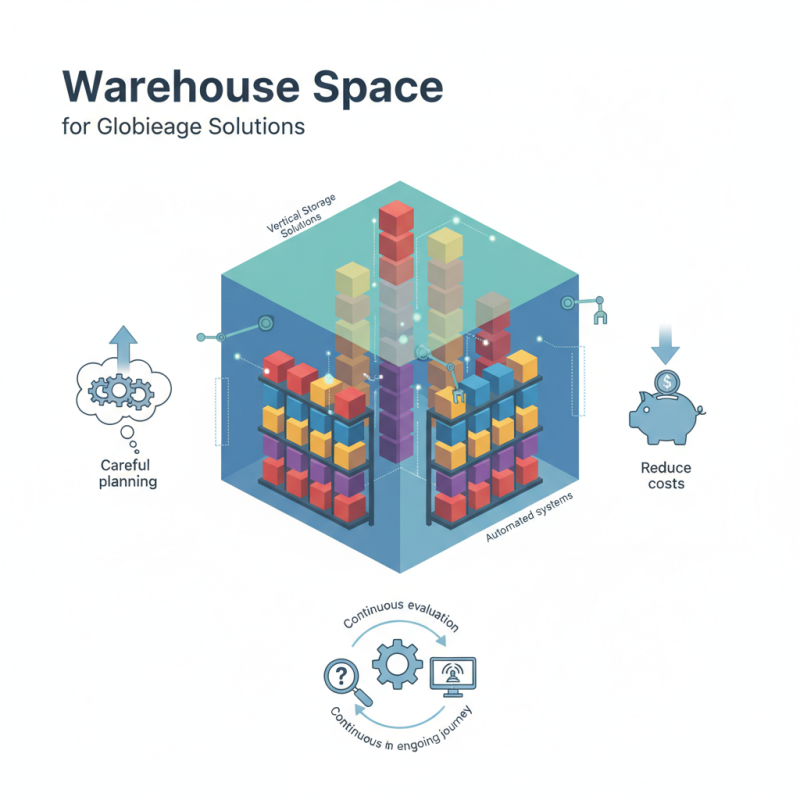
Optimizing warehouse space is essential for global buyers aiming to enhance efficiency and reduce costs. This process involves careful planning and innovative strategies. Understanding the best strategies for warehouse space optimization can significantly impact inventory management and logistics.

Warehouses often face the challenge of limited space while managing diverse stock needs. The right approach can lead to better organization and accessibility. For instance, using vertical storage solutions can maximize limited floor space. Implementing automated systems also improves efficiency and accuracy in stock handling.

Reflecting on past experiences, not all strategies are universally effective. What works in one warehouse may not in another. Continuous evaluation is crucial for improvement. Global buyers need to stay updated with best practices. Adapting to new technologies and methodologies can transform warehouse operations, making space optimization an ongoing journey.
Best Strategies to Optimize Warehouse Space for Global Buyers?

Strategies for Analyzing Warehouse Space Utilization Metrics

Analyzing warehouse space utilization metrics is crucial for optimizing inventory management. Tracking key performance indicators (KPIs) like space utilization percentage helps identify areas for improvement. A well-utilized warehouse ensures efficiency and reduces costs. Metrics such as cubic utilization and square footage used can reveal underperforming sections.

Utilization metrics should be monitored regularly. This process often reveals unexpected results. For example, a section may show high stock levels yet generate low turnover rates. This discrepancy requires further investigation. You might find obsolete inventory taking up valuable space. Comparing data over time can highlight trends and seasonal variations.

Incorporating technology, like warehouse management systems, enhances analysis. These tools provide real-time data on space usage. Sometimes, however, technology can overwhelm decision-makers. Finding the right balance of manual and automated processes is essential. Regular team training sessions can ensure that warehouse staff understands how to interpret metrics. Thus, aligning goals will streamline operations and increase overall efficiency.

Implementation of Vertical Storage Solutions for Maximum Capacity

Vertical storage solutions are essential for optimizing warehouse space. They can increase capacity significantly. According to a report by the Warehousing Education and Research Council, vertical storage systems can boost storage density by up to 60%. This is achieved by utilizing the height of the warehouse effectively.

Implementing shelving systems or automated vertical lifts transforms unusable vertical space into valuable storage areas. For instance, mobile shelving can allow for more products in less space. In studies, warehouses that adopted vertical systems saw an average increase in operational efficiency by 25%. Employees have more space to navigate, enhancing safety and productivity.

However, not every warehouse is suitable for vertical solutions. The initial investment can be high. Moreover, some businesses face challenges in choosing the right system that fits their operations. It's essential to analyze specific needs before making any decisions. Misalignment can lead to wasted resources and space inefficiencies.

Incorporating Automation Technology to Enhance Efficiency

Automation technology is reshaping warehouse efficiency for global buyers. Utilizing advanced systems can streamline operations. Robots and conveyor belts work in tandem to process items faster. Efficient space usage reduces labor costs and increases throughput.

Implementing automatic storage and retrieval systems can optimize vertical space. These technologies can minimize human error and enhance accuracy. However, the initial investment may be daunting. Companies might struggle with changes in workflow or employee resistance. Training staff effectively is crucial for smooth integration.

Real-time inventory management software plays a key role. It helps track stock levels precisely and reduces excess inventory. Yet, reliance solely on technology can be risky. Technical failures might disrupt operations. Businesses must cultivate a balance between automation and human oversight. Adapting to these systems requires ongoing evaluation to ensure they meet evolving needs.

Best Practices for Inventory Management and Space Optimization

Effective inventory management is crucial for maximizing warehouse space. According to a report by McKinsey, optimizing storage can increase capacity by 20% without expanding physical space. Implementing a just-in-time (JIT) inventory system can significantly reduce excess stock. This strategy minimizes overhead costs and enhances storage efficiency. Regular inventory audits are essential. They help identify slow-moving items and avoid dead stock buildup.

Consider your shelving and storage techniques. Utilizing vertical space by investing in taller shelving units can free up floor space. The same McKinsey report highlights that companies adopting vertical storage solutions see a 25% reduction in square footage usage. However, it’s important to recognize the potential pitfalls. Overautomation can lead to increased complexity, complicating the inventory tracking process. Balancing automation with manual checks ensures reliability, especially for high-value items.

Data-driven decisions play a vital role in inventory management. Integrating analytics tools can reveal trends in product movement. This insight can lead to better allocation of space. Companies often focus too much on efficiency while overlooking worker comfort. Ergonomics should not be neglected during optimization. An efficient warehouse is one where employees can move safely and effectively. Adopting a holistic approach ensures both productivity and workforce satisfaction.

Best Strategies to Optimize Warehouse Space for Global Buyers

Strategy Description Benefits Implementation Difficulty
Vertical Storage Utilizing vertical space by installing shelving units that reach the ceiling. Maximizes storage capacity; reduces floor space usage. Medium
Mobile Racking Systems Racking systems that move along tracks to create accessible aisles when needed. Increases available storage by up to 50%; flexible access. High
Just-In-Time Inventory Maintaining inventory levels based on demand forecasts to reduce excess stock. Decreases holding costs; aligns inventory with actual demand. Medium
Cross-Docking Shipping goods directly from supplier to customer without storing them in between. Reduces storage costs; speeds up delivery times. High
Inventory Management Software Utilizing software solutions to track stock levels and streamline order processes. Enhances accuracy; reduces human error; improves efficiency. Low

Utilizing Data-Driven Approaches for Strategic Warehouse Design

Optimizing warehouse space is crucial for global buyers. Utilizing data-driven approaches can significantly enhance strategic warehouse design. Recent studies indicate that warehouses using data analytics can improve space utilization by up to 30%. This increase often leads to reduced operational costs and quicker fulfillment times.

Key metrics, such as inventory turnover and order frequency, inform better design choices. Companies are finding that real-time data tracking allows for precise adjustments. For instance, 70% of logistics firms report benefits from implementing such systems. However, many warehouses still struggle with outdated layouts, resulting in wasted space.

It's vital to continuously assess design strategies. While sophisticated data tools exist, their implementation poses challenges. Not all teams are equipped to interpret data effectively. Some companies still rely on traditional layouts, which may not meet evolving demands. Regular reflection on warehouse design is necessary to ensure it aligns with changing market conditions.

Warehouse Space Utilization Strategies

FAQS

: How does automation technology enhance warehouse efficiency?

: Automation technology streamlines operations, using robots and conveyor belts to process items faster.

What are the benefits of automatic storage systems?

They optimize vertical space, minimize human error, and enhance accuracy in item retrieval.

What challenges come with implementing automation?

Initial investment can be high, and there may be employee resistance to workflow changes.

How can companies mitigate risks with automation?

Balancing automation with human oversight is essential to reduce reliance on technology alone.

Why are regular inventory audits important?

They help identify slow-moving items and prevent accumulation of dead stock.

What is a just-in-time (JIT) inventory system?

JIT minimizes excess stock and reduces overhead costs, enhancing storage efficiency.

How can vertical storage improve warehouse space?

Investing in taller shelving units can increase capacity by reducing square footage usage.

What must be considered alongside efficiency?

Worker comfort and ergonomics should not be overlooked during warehouse optimization.

How can data-driven decisions impact inventory management?

They provide insights into product trends, leading to better space allocation and inventory strategies.

What is a potential downside of overautomation?

Increased complexity can complicate inventory tracking and may create reliance on flawed systems.

Conclusion

In today's competitive market, implementing the best strategies for warehouse space optimization is essential for global buyers. Analyzing warehouse space utilization metrics allows businesses to identify inefficiencies and improve layout design. By implementing vertical storage solutions, companies can significantly maximize their storage capacity, taking advantage of available height rather than just floor space.

Furthermore, incorporating automation technology enhances overall efficiency by streamlining processes and reducing manual labor. Best practices in inventory management, paired with strategic space optimization techniques, ensure that stock levels are maintained without unnecessary overstock. Lastly, utilizing data-driven approaches enables businesses to design a warehouse that is both functional and adaptable to changing needs, ultimately supporting better operational performance and cost savings.

Mason

Mason

Mason is a seasoned marketing professional with a deep expertise in the company's offerings and a passion for driving brand awareness. With a strong background in digital marketing strategies, he has an innate ability to connect with diverse audiences and effectively communicate product benefits.......