 Okapi Logistics
Okapi Logistics
Okapi Logistics
In today's competitive market, selecting the right warehouse storage solutions is crucial for operational efficiency. Understanding the “Key Factors In Choosing Warehouse Storage Solutions” can significantly impact a company's logistics performance. According to a report by the Warehousing Education and Research Council, optimal storage conditions can improve inventory management by up to 30%. This efficiency translates directly into cost savings, making thoughtful selection imperative.
Moreover, the rise in e-commerce has intensified demand for more agile storage solutions. A study from the National Retail Federation highlights that 75% of retailers have increased their warehouse capacities in the past year alone. Buyers must consider important aspects like space utilization, technology integration, and scalability. These factors aren't just trends; they hold the potential to optimize warehouse operations and enhance product accessibility.
However, not every solution is one-size-fits-all. Reflecting on past implementations reveals that some buyers chose storage systems without adequate customization. Such oversights often lead to inefficiencies. Addressing these gaps is vital for future-proofing warehouse operations. Ultimately, the right storage solution can provide a strategic advantage and foster growth in this rapidly evolving landscape.
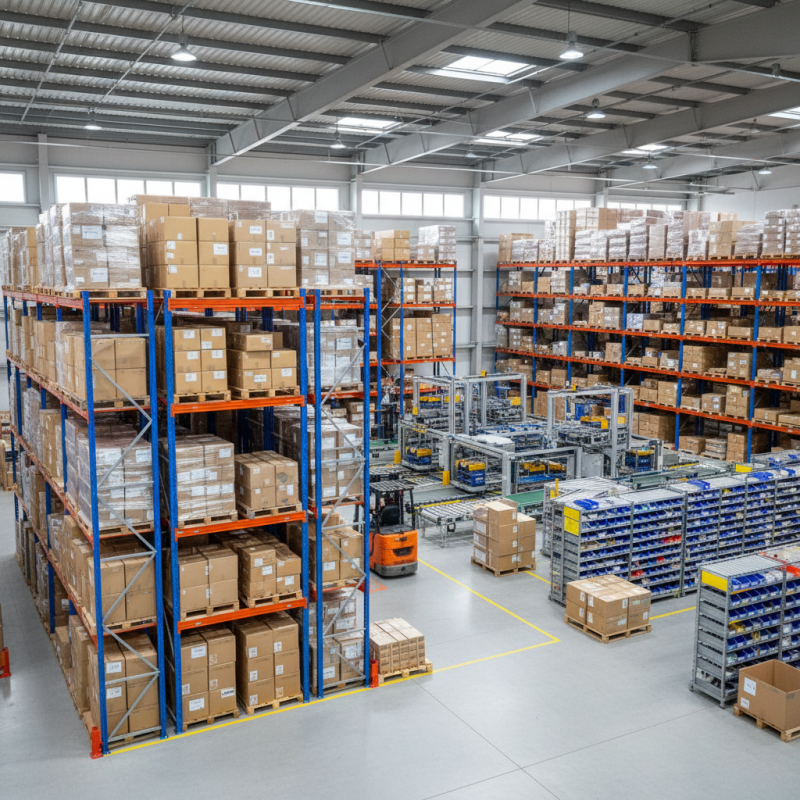
When choosing warehouse storage solutions, it's crucial to identify your business's specific needs. Start by evaluating the types of products you store. Different items require varying storage solutions. For instance, heavy goods may need pallet racking, while small items might benefit from shelving systems. Understanding your inventory's volume helps determine the amount of space required.
Next, consider the accessibility of your products. How often do you need to retrieve items? If your operations rely on quick access, a layout that minimizes travel time is essential. Look into optimizing space with vertical storage options. However, a more complex layout can lead to confusion. Reflect on how this impacts your team’s efficiency. Miscommunication can arise from unclear storage systems.
Lastly, think about future growth. Your current needs might change over time. Investing in flexible solutions can accommodate expansion. Still, it’s important to avoid overcommitting resources. Consider implementing modular systems that can adapt without significant costs. Balancing today’s needs and tomorrow’s growth can be challenging but is vital for sustainable operations.
: Consider efficiency, space requirements, product types, and accessibility. Each system has unique advantages.
Mobile shelving can increase storage capacity by up to 50% by reducing aisle space for more items.
While automation cuts labor costs significantly, the initial investment can be quite high. Weigh the pros and cons carefully.
Be aware of maintenance fees, infrastructure modifications, and scalability costs for future growth.
Integrating systems like WMS and robotics can improve speed and reduce costs but requires proper implementation and training.
Poor training and resistance to change can disrupt technology adoption. Data security is also a significant concern.
It depends on your needs. High-density maximizes space, while quick access is crucial for frequently used items.
Existing warehouse layouts may require costly modifications. Analyze these needs before choosing a system.
Understanding these costs helps in avoiding financial strain and ensuring quality solutions are selected.
As data collection increases, protecting information becomes crucial to maintain trust and avoid breaches.
When considering the "Key Factors in Choosing Warehouse Storage Solutions," businesses must first identify their specific storage needs. Understanding the volume and type of goods stored is essential, as it influences the choice of storage systems. Evaluating various types of warehouse storage systems, such as pallet racking or shelving, can help determine which solution best meets operational requirements.
Cost considerations are also paramount; businesses should assess not only the initial investment but also the long-term maintenance and potential savings from an efficient system. Moreover, analyzing space optimization techniques can significantly enhance storage capacity and accessibility, while integrating advanced technology into warehouse management can streamline operations and improve inventory control. Ultimately, a thorough evaluation of these factors will guide buyers in selecting the most effective warehouse storage solutions tailored to their unique business needs.
