Okapi Logistics
Industrial equipment in China often works under demanding conditions. Dust, humidity, voltage variation, heavy loads, and long production shifts accelerate wear. Extending service life requires more than occasional repairs. It requires a disciplined maintenance culture, accurate records, and practical decisions on the factory floor.
This guide explores How To Improve Equipment Lifespan In Industrial Use through proven methods. These include preventive maintenance, condition monitoring, correct lubrication, operator training, and timely replacement of vulnerable components. A technician should inspect vibration, temperature, oil color, belt tension, and unusual noise. Small changes matter. A loose coupling today may become a costly motor failure tomorrow.
W. Edwards Deming, a respected quality and process-improvement expert, stated, “If you can’t describe what you are doing as a process, you don’t know what you’re doing.” His principle applies directly to industrial asset care. Maintenance teams need clear procedures, measurable intervals, and traceable inspection results. Chinese factories can also combine manufacturer guidance with local operating experience. That balance is important.
Still, no maintenance plan is perfect. Production pressure can shorten inspection windows. Spare parts may arrive late. Some teams record data but fail to study it. This article examines those weaknesses honestly. It also presents realistic steps for improving reliability, reducing avoidable downtime, and protecting equipment value across demanding industrial environments.
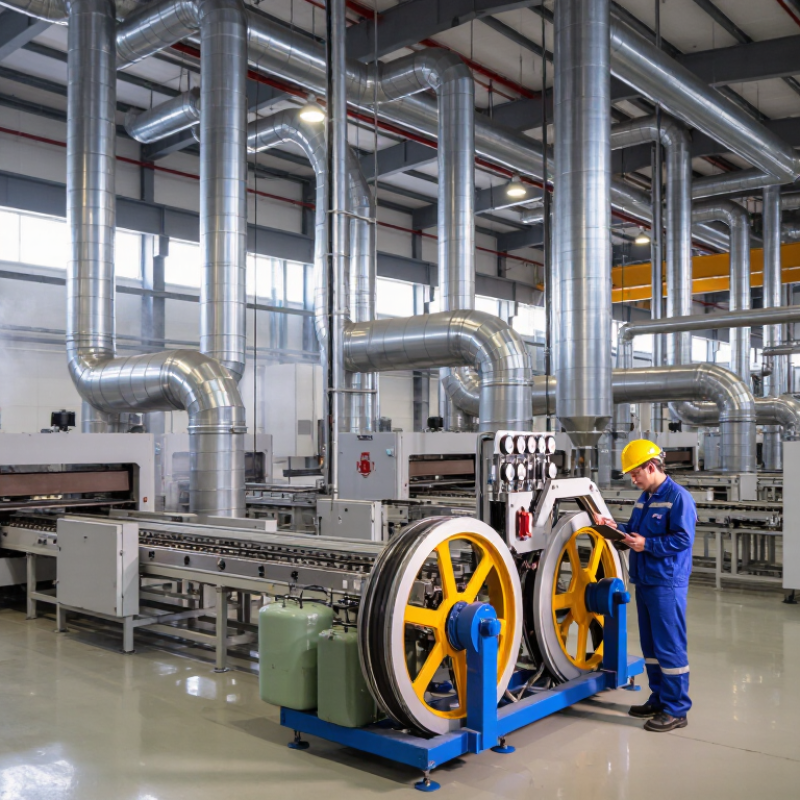
How to Extend Industrial Equipment Lifespan: China Top Tips
Industrial equipment rarely fails without warning. In China, humidity, fine dust, heat, and unstable workshop conditions can accelerate wear. Coastal factories often find rust around panels, bearings, and exposed fasteners. Inland facilities may face abrasive dust entering motors and hydraulic systems. Ignoring small leaks can create expensive failures. A two-millimeter seal gap matters.
Overloading is another common lifespan killer. Operators may push a machine beyond its rated capacity during urgent orders. This raises motor temperature and stresses gears, belts, and shafts. Poor lubrication causes similar damage. Too much grease can be harmful, too. I have seen maintenance teams follow old habits instead of current equipment data. That approach needs reconsideration. Vibration, unusual noise, and rising energy use should be recorded immediately, not dismissed as normal aging.
Tips: Check filters, seals, and cable connections every week. Measure vibration and temperature during routine inspections. Use lubricants that match the equipment manual and operating environment. Keep machines level, clean, and properly ventilated. Train operators to report changes with photos and exact readings. Store maintenance records with dates, fault details, and replaced parts. A simple checklist can prevent repeated mistakes. However, checklists are not perfect. Review them after every serious fault.
Industrial equipment in China often faces dust, humidity, heat, and long production shifts. A preventive maintenance schedule makes these risks visible before failure. The U.S. Department of Energy’s Operations & Maintenance Best Practices Guide reports that preventive maintenance can reduce costs by 12–18% compared with reactive repairs. Start with an asset register. Record each machine’s age, operating hours, failure history, and safety-critical parts. Small details matter.
Set daily, weekly, monthly, and quarterly inspection tasks. Operators can check oil leaks, unusual noise, loose guards, and temperature changes every day. Technicians should inspect belts, couplings, electrical terminals, and lubrication points weekly. Monthly inspections can include vibration readings, insulation tests, and filter condition checks. Quarterly work may require shaft alignment, calibration, and load testing. Keep readings beside previous results. Trend data is more useful than memory.
Digital sensors can support the schedule, but they cannot replace trained eyes. Deloitte’s Predictive Maintenance 4.0 research indicates that predictive maintenance may reduce downtime by 30–50% and maintenance costs by 10–40%. That range is not a promise. Poor sensor placement, incomplete records, and rushed inspections weaken the result. Review missed tasks every month, adjust intervals after real failures, and train operators to report early changes. A practical schedule is never perfect. It should improve with evidence.
Industrial equipment lasts longer when operators follow clear procedures every shift. Safe operation begins with a documented inspection before startup. Check guards, oil levels, cables, fasteners, warning lights, and unusual leaks. A two-minute inspection can reveal a loose coupling before it damages a drive system.
Use the equipment within its rated capacity and intended operating range. Load weight is only one concern. Distribution matters too. An off-center load can strain bearings, frames, and lifting components. Operators should place materials evenly and avoid sudden acceleration, braking, or direction changes. Smooth movements reduce shock loads. They also improve control.
Real workplaces are rarely perfect. During a busy shift, people may skip a checklist or accept a strange vibration. That decision deserves review. Operators should stop when noise, heat, smell, or movement changes unexpectedly. Record the condition, load, time, and operating mode. These details help maintenance teams identify repeated stress patterns. Short refresher training can correct unsafe habits before they become normal. Supervisors should compare actual workloads with rated limits, especially after process changes. A machine may handle one heavy cycle, but repeated overloads quietly shorten its service life. Clear handover notes are useful when several teams share the same equipment.
Industrial equipment in China often works through dust, humidity, heat, and demanding production schedules. Lubrication is the first practical defense against premature wear. Use the lubricant grade specified in the equipment manual, and apply measured amounts at scheduled intervals. Too little oil creates friction. Too much can raise temperature and damage seals. Check oil color, smell, and metal particles during inspections. A small sample can reveal problems before a bearing becomes noisy.
Cleaning should protect components, not merely improve appearance. Remove dust from cooling fins, vents, chains, and sensor surfaces with suitable tools. Avoid forcing debris into seals or electrical enclosures. Wipe exposed surfaces with clean, lint-free cloths. In one maintenance check, a missed layer of hardened grease hid a loose coupling. The machine looked clean, but vibration continued. That mistake changed our inspection routine.
Component replacement requires evidence and accurate records. Replace cracked belts, flattened seals, worn bearings, and damaged fasteners before failure spreads. Compare vibration, temperature, operating hours, and visible wear against previous readings. Follow approved procedures and verify alignment after installation. A replacement part may fit physically but still perform poorly if tolerances are wrong. Keep torque values, lubrication dates, and cleaning notes in a shared maintenance log. Review the records honestly. Some schedules are too optimistic for dusty workshops, and real operating conditions should adjust them.
| Maintenance Area | Recommended Action | Typical Frequency | Control Parameters or Warning Signs | Expected Benefit |
|---|---|---|---|---|
| Lubricant Selection | Use the lubricant viscosity and performance grade specified for the operating load, speed, ambient temperature, and equipment design. Do not mix different lubricant types unless compatibility has been confirmed. | At commissioning and every lubricant change | Correct viscosity grade; compatible base oil and additives; no abnormal foaming, separation, or odor | Reduces friction, wear, overheating, and premature bearing or gear failure. |
| Grease Application | Clean the grease fitting before lubrication and apply a measured quantity with a calibrated grease gun. Avoid over-greasing high-speed bearings. | Based on operating hours; commonly 500–2,000 hours for many industrial bearings | Stable bearing temperature; no purged grease, seal damage, excessive noise, or rising vibration | Maintains an effective lubricating film while limiting churning heat and seal deterioration. |
| Oil Level Control | Check oil level when the machine is stopped under the specified inspection condition. Investigate unexplained oil loss instead of repeatedly topping up. | Daily or weekly, depending on criticality | Level within the marked operating range; no visible leakage; no milky appearance or metallic particles | Prevents starvation, overheating, oxidation, and damage to gears, pumps, and bearings. |
| Oil Condition Monitoring | Take clean, representative oil samples from the same sampling point. Test viscosity, water content, particle contamination, oxidation, and wear metals. | Every 500–1,000 operating hours or at least twice per year for critical equipment | Viscosity change generally within ±10% of the new-oil value; investigate abnormal water, particles, or wear metals | Detects contamination and internal wear before a major breakdown occurs. |
| Filtration and Breathing | Inspect oil filters, breathers, and desiccant breathers. Replace restricted filters and saturated breathers before they affect flow or allow moisture ingress. | Monthly inspection; replacement according to restriction or condition | Filter differential pressure within the equipment limit; breather not blocked or saturated | Limits abrasive particles, moisture-related corrosion, and lubricant degradation. |
| Industrial Cleaning | Remove dust, chips, oil residue, and chemical deposits from housings, cooling fins, vents, sensors, and electrical cabinets using an equipment-compatible method. | Weekly to monthly, depending on dust, humidity, and production conditions | No blocked cooling passages; no conductive dust; no residue around seals, shafts, or connectors | Improves heat dissipation and reduces contamination-related electrical and mechanical failures. |
| Cooling System | Inspect fans, radiators, heat exchangers, coolant lines, and ventilation openings. Clean deposits without bending fins or forcing contamination into bearings and controls. | Monthly inspection; seasonal deep cleaning where required | Operating temperature remains stable; airflow is unobstructed; no coolant leakage or abnormal fan noise | Prevents thermal stress, lubricant oxidation, insulation damage, and electronic component failure. |
| Contamination Prevention | Keep lubricant containers sealed, use dedicated clean transfer equipment, and store oils and greases indoors away from water, dust, and extreme temperature changes. | Every handling and storage activity | Containers labeled and sealed; no water separation, dirt, rust, or unapproved mixing | Reduces particle and moisture contamination introduced during maintenance. |
| Seals and Gaskets | Inspect shaft seals, gaskets, hoses, and fittings for cracking, hardening, swelling, or leakage. Replace the underlying cause of leakage before installing new seals. | Monthly and during every planned shutdown | No active leakage; no oil mist, hardened elastomer, loose fitting, or damaged sealing surface | Preserves lubricant quantity and prevents water, dust, and chemicals from entering the machine. |
| Vibration and Temperature | Record vibration and temperature at consistent measurement points and compare readings with the machine baseline and alarm limits. | Weekly to monthly; continuous monitoring for critical assets | Investigate sustained upward trends, sudden changes, or readings exceeding the established alarm threshold | Identifies imbalance, misalignment, looseness, bearing damage, and lubrication problems at an early stage. |
| Component Replacement | Replace bearings, belts, filters, hoses, batteries, and other wear components according to condition, safety risk, and failure history rather than age alone. | Condition-based or at planned overhaul intervals | Visible wear, cracking, reduced tension, abnormal noise, excessive play, high vibration, or repeated failure | Prevents secondary damage and reduces unplanned downtime. |
| Alignment and Fasteners | Verify shaft alignment, belt tension, coupling condition, foundation stiffness, and critical fastener torque after installation and major repairs. | After installation, relocation, repair, or abnormal vibration | Alignment within equipment tolerance; no looseness, fretting, foundation movement, or uneven belt wear | Reduces coupling, bearing, shaft, and structural fatigue failures. |
| Planned Shutdown | Combine cleaning, lubricant renewal, inspection, calibration, and component replacement into a documented shutdown work package. | According to risk-based maintenance planning, typically every 6–24 months | All inspection findings closed; critical spares available; post-maintenance test results recorded | Improves maintenance efficiency and prevents repeated stoppages caused by unresolved defects. |
| Maintenance Records | Record lubricant type and quantity, operating hours, inspection readings, replaced parts, failure modes, and corrective actions in a centralized log. | After every maintenance activity | Complete, traceable records with dates, readings, responsible personnel, and follow-up actions | Supports trend analysis, accurate scheduling, root-cause investigation, and better spare-parts planning. |
| Typical planning values are general industrial guidance. Always verify lubricant grades, inspection limits, replacement intervals, cleaning methods, and safety procedures against the equipment manufacturer’s manual and applicable site regulations. | ||||
How to Extend Industrial Equipment Lifespan China Top Tips?
In Chinese factories, extending equipment life starts with evidence, not guesswork. Operators should record vibration, temperature, energy use, output, and alarm frequency. These readings create a practical performance history for each machine. Compare daily results with a stable baseline, not only with yesterday’s numbers. A small temperature rise may reveal blocked ventilation, poor lubrication, or a worn bearing. Digital dashboards help, but a handwritten note can still expose an unusual sound or smell.
Tips: Inspect critical components during every shift. Use calibrated instruments for important measurements. Set alert limits before failures occur. Photograph leaks and damaged guards. Review repeated alarms weekly. Keep maintenance records clear and searchable.
Maintenance should follow equipment manuals, risk assessments, and qualified technical judgment. Replace filters before pressure increases affect the motor. Check fasteners after vibration events. Test emergency controls at scheduled intervals. Planned lubrication is useful, but excessive grease can also damage bearings. This detail is often overlooked. Teams should connect inspection findings with actual repairs, rather than closing work orders too quickly. A missed reading can distort the trend. An incorrect baseline can create unnecessary shutdowns. Review the system each month, question weak assumptions, and adjust the maintenance interval when operating conditions change.
Key maintenance indicators for a mature industrial equipment program. Higher preventive-maintenance compliance, condition-monitoring coverage, planned-work ratio, and spare-parts availability generally support longer equipment service life and fewer unexpected stoppages.
Use these indicators together: improve preventive-maintenance compliance, expand condition monitoring, schedule more work in advance, and keep critical spare parts available. Reviewing the trends monthly helps identify declining performance before failures occur.
Record each machine’s age, operating hours, failure history, and safety-critical components. Small details matter. Update the register when equipment changes or repeated faults appear.
Use daily, weekly, monthly, and quarterly inspection intervals. Daily checks can identify leaks, strange sounds, loose guards, and temperature changes. Weekly tasks may include belt, coupling, terminal, and lubrication checks. Monthly work can include vibration readings, insulation tests, and filter inspections. Quarterly tasks may require alignment, calibration, and load testing.
Operators should inspect guards, oil levels, cables, fasteners, warning lights, and leaks. A two-minute check may reveal a loose coupling. It may also prevent damage to the drive system. Do not treat the checklist as perfect. Real conditions still need judgment.
Trend data shows gradual changes that memory often misses. Compare vibration, temperature, insulation, and pressure readings with earlier records. A small increase may reveal developing wear. One reading can mislead. Patterns are stronger evidence.
No, sensors support inspections but cannot replace trained eyes. Poor placement can produce weak or misleading data. Incomplete records also reduce their value. Check the sensor reading against physical conditions, such as heat, noise, or leakage. Sometimes the machine tells a different story.
Keep loads within the rated capacity and intended operating range. Weight is not the only concern. Uneven distribution can strain bearings, frames, and lifting components. Place materials evenly and avoid sudden acceleration, braking, or direction changes. Smooth movements reduce shock loads.
Stop the equipment when noise, heat, smell, or movement changes unexpectedly. Record the condition, load, time, and operating mode. These details help identify repeated stress patterns. A strange vibration should not become normal. That mistake happens.
Review missed tasks every month and adjust intervals after actual failures. Train operators to report early changes. Compare workloads with rated limits after process changes. Use clear handover notes when several teams share equipment. A practical schedule is never perfect. Evidence should improve it.
Extending industrial equipment life requires a practical, consistent maintenance strategy rather than occasional repairs. The first step is understanding common causes of deterioration, including excessive loads, poor operating habits, contamination, overheating, vibration, and delayed servicing. A preventive maintenance and inspection schedule can identify early signs of wear, allowing teams to address small issues before they develop into costly failures. Clear operating procedures and proper load management also help prevent unnecessary stress and improve workplace efficiency.
To understand How To Improve Equipment Lifespan In Industrial Use, organizations should maintain proper lubrication, clean equipment regularly, and replace worn components according to condition and service requirements. Accurate performance records, inspection results, and repair histories can reveal recurring problems and support better maintenance decisions. By reviewing this information and continually improving maintenance practices, companies can increase reliability, reduce downtime, control operating costs, and achieve safer, longer-lasting equipment performance.
