Selecting the right material handling solutions can be challenging. This decision impacts efficiency, safety, and costs in your operations. Understanding how to choose the right material handling solutions is crucial for businesses in various sectors.
A well-informed choice can enhance workflow. It ensures that the equipment fits your unique needs. You may feel overwhelmed by the options available. However, focusing on key factors can simplify this process. Consider your specific materials, workflow, and facility layout. Evaluate the scalability of the solutions as your business grows.
Experience plays a vital role in this selection. Rely on expert insights and data to guide your decisions. Analyze case studies of similar businesses. They offer invaluable lessons learned. In the end, crafting an informed strategy for material handling can significantly impact productivity and safety. Embrace the journey of finding the right solutions. Reflect on potential challenges, and seek advice when necessary.
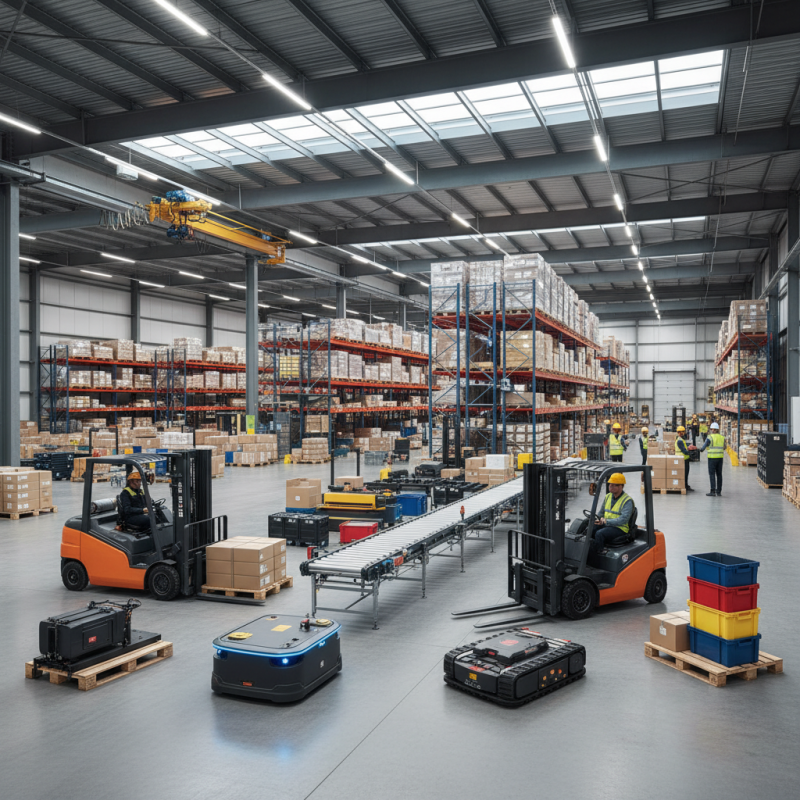
Understanding Material Handling Solutions: Types and Their Applications
Material handling solutions encompass various methods and equipment designed to move, store, and control materials. Their selection significantly impacts efficiency and safety in operations. According to a report from the Material Handling Industry of America (MHIA), effective material handling can reduce operational costs by up to 20%. This underscores the importance of understanding the different types of solutions available.
There are several types of material handling solutions, including manual handling, mechanized, and automated systems. Manual handling often involves human effort, which can be labor-intensive. However, it remains a viable option for smaller tasks. Mechanized systems, such as conveyors and forklifts, greatly enhance productivity. They are ideal for moving larger loads across short distances. Automated solutions, found in advanced warehouses, utilize robotics and AI. This technology can optimize storage and retrieval processes. The automation trend is growing rapidly, with the global market projected to reach $35.9 billion by 2026, as per Mordor Intelligence.
Choosing the right solution requires evaluating your specific needs and constraints. Factors like load size, frequency of movement, and available space are crucial. It's important to reflect on potential challenges, such as initial costs and employee training. A well-chosen solution can offer significant returns, but misjudgments can lead to inefficiencies and increased risks. Decision-makers should base choices on reliable data and industry best practices, as customization often brings the best results.
Evaluating the Impact of Automation in Material Handling Efficiency
Automation is reshaping material handling processes, driving efficiency and accuracy. Integrating automated systems can reduce manual labor, cut costs, and minimize errors. For example, automated guided vehicles (AGVs) navigate warehouses, transporting goods seamlessly. They optimize routes, ensuring timely delivery with less human intervention.
Yet, the implementation of automation is not without challenges. Staff training becomes essential to manage new technologies. Employees may feel anxious about job security. Change can create resistance, slowing down the overall process. Some companies underestimate the time needed to adapt fully.
Evaluating automation's impact on efficiency involves more than just numbers. It’s vital to assess workflow integration and overall employee satisfaction. The goal should not just be increased speed but also improved safety and flexibility in operations.
Monitoring both successes and setbacks can guide future decisions. Evaluating these factors ensures the approach remains sustainable.
Analyzing Industry-Specific Needs and Requirements for Material Handling
Selecting the right material handling solution involves critical analysis of industry-specific needs. Different sectors have unique demands. For example, the warehouse sector prioritizes efficiency and speed. In contrast, the healthcare industry requires stringent safety standards. According to a report by Research and Markets, the global market for material handling equipment is set to grow at a CAGR of over 5% until 2025. This growth reflects the increasing need for tailored solutions.
Understanding these needs is vital. Productivity hinges on effectively matching equipment with tasks. A survey from the Material Handling Industry Association highlights that 70% of companies struggle to optimize their operations. Factors such as load types, weight distribution, and handling frequency must be considered. Many firms overlook these aspects, leading to inefficiencies and increased costs.
Regular assessments are crucial. They help firms respond to changes in demand. Oftentimes, businesses remain stagnant, relying on outdated methods. They miss new technologies and innovative practices. For example, automated systems can enhance speed and reduce human error. Ignoring such advancements can jeopardize competitiveness. In today’s fast-paced market, it's essential to evolve based on specific sector requirements.
Cost-Benefit Analysis of Different Material Handling Equipment Options
Choosing the right material handling solution requires careful consideration of cost and benefits. A detailed cost-benefit analysis can reveal the most advantageous options for your specific needs. According to a report from the Material Handling Industry of America's (MHIA) statistics, companies that invest in efficient material handling systems see productivity gains of up to 25%. This can translate to significant savings and improved operational efficiency.
When evaluating equipment options, you should consider both initial costs and long-term savings. For example, automated systems, while often more expensive upfront, can reduce labor costs by 20-30% over time. However, analyzing the return on investment (ROI) is crucial. The integration of technology may require additional training costs, which can offset potential savings.
Many businesses overlook potential hidden costs, such as maintenance and downtime, which can be substantial. Data from the National Institute of Standards and Technology (NIST) indicates that poorly maintained equipment can result in a productivity loss of roughly 15%. It's essential to factor these into your total cost analysis to avoid unforeseen expenses. Balancing these elements can lead to more informed decisions in selecting the right materials handling solutions.
10 Essential Tips to Choose the Right Material Handling Solutions
| Equipment Type |
Initial Cost ($) |
Maintenance Cost/Year ($) |
Lifespan (Years) |
Operational Efficiency (Units/Hour) |
Cost/Unit Processed ($) |
| Forklift |
25,000 |
2,500 |
10 |
50 |
0.50 |
| Conveyor System |
15,000 |
1,000 |
15 |
100 |
0.20 |
| Pallet Jack |
500 |
50 |
5 |
20 |
1.25 |
| Automated Guided Vehicle (AGV) |
45,000 |
3,500 |
12 |
80 |
0.56 |
Safety Standards and Compliance in Material Handling Operations
In material handling operations, safety standards play a crucial role in protecting workers. Compliance with these standards is not just a formality; it can save lives. For instance, regular equipment inspections are essential. Equipment should function smoothly to prevent accidents. Training employees on proper handling techniques is equally important. Knowledge gaps can lead to risky behaviors on the job.
Understanding regulatory requirements is vital for any operation. These guidelines ensure that materials are handled safely and efficiently. Many companies fail to keep pace with changing regulations. This oversight can result in costly fines and legal issues. Engaging in thorough risk assessments can identify potential hazards. Workers should feel empowered to report unsafe conditions.
Being proactive about safety helps create a positive work environment. Employees who feel safe are often more productive. Each organization must develop a culture prioritizing safety and compliance. Frequent reviews of safety protocols can improve overall effectiveness. Continuous learning and adaptation are imperative for operational success.
Material Handling Solutions Comparison
FAQS
: Material handling solutions include methods and equipment for moving, storing, and controlling materials in various operations.
Effective handling can cut operational costs by up to 20%, enhancing efficiency and safety in operations.
Solutions include manual handling, mechanized systems like conveyors, and automated robotic systems for advanced warehouses.
Mechanized systems, such as forklifts, improve productivity significantly, especially for moving larger loads over short distances.
Consider load size, movement frequency, available space, costs, and employee training needs when selecting a solution.
Hidden costs include maintenance, downtime, and training, which can affect the overall effectiveness and budget plans.
Adhering to safety standards is essential for worker protection and can prevent accidents and costly fines.
Training employees on proper techniques reduces risks and promotes a safer work environment, improving overall productivity.
Keeping up with changing regulations can be tough; failure to comply could lead to legal issues and additional costs.
A safety culture develops through regular safety reviews, empowering workers to report hazards, and continuous learning.
Conclusion
When considering "How To Choose The Right Material Handling Solutions," it is essential to begin by understanding the various types of material handling solutions available and their specific applications within different industries. Evaluating the impact of automation plays a crucial role in enhancing material handling efficiency, as it can streamline processes and reduce manual labor. Additionally, analyzing the unique needs and requirements of your industry is vital to ensure that the selected solution meets operational demands effectively.
Performing a cost-benefit analysis of different material handling equipment options allows decision-makers to weigh financial implications against the expected returns and operational improvements. Furthermore, adhering to safety standards and compliance regulations is paramount to ensure a safe working environment. By considering these factors, businesses can make informed choices that optimize their material handling processes, ultimately leading to enhanced productivity and safety.
 Okapi Logistics
