 Okapi Logistics
Okapi Logistics
Okapi Logistics
Enhancing workplace safety in warehouses is crucial for protecting employees and assets. According to the U.S. Bureau of Labor Statistics, in 2021, more than 5,000 warehouse workers faced reportable injuries. This statistic signals a need for actionable measures. How to enhance workplace safety in warehouses is not just a question; it’s a pressing necessity.
Incorporating safety training and ergonomics can significantly reduce risks. The National Safety Council suggests that proper training can decrease workplace injuries by up to 40%. However, many warehouses still lack comprehensive safety protocols. This gap highlights a vital area for improvement. Physical layouts must also be assessed; cluttered spaces often lead to accidents.
A culture of safety should permeate every aspect of warehouse operations. Encouraging open communication about safety concerns is essential. Unfortunately, some facilities overlook the importance of regular equipment maintenance. Such negligence can amplify risk levels drastically. By proactively addressing these challenges, warehouses can foster safer environments for all employees.
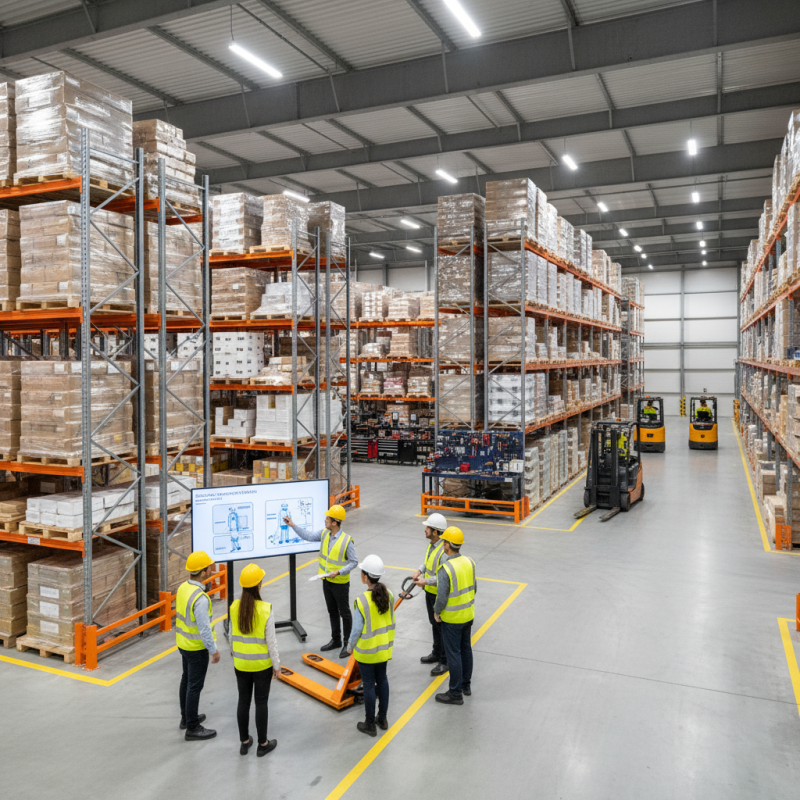
In warehouse environments, recognizing common hazards is crucial for ensuring safety. Forklifts and other machinery pose significant risks if operators aren't trained properly. It’s essential to highlight the importance of following operational protocols. Many accidents result from operator error or equipment malfunction.
Another hazard is improper storage of materials. Items stacked too high can fall and injure workers below. Utilizing proper shelving and ensuring items are secured can mitigate this risk. Additionally, slippery floors due to spills or debris should be promptly addressed. Regular cleaning can minimize these hazards.
Lastly, inadequate lighting can lead to accidents and injuries. Workers need to see clearly to navigate safely. Installing bright, even lighting can reduce accidents significantly. It’s worth noting that often, safety protocols are not strictly followed. Regular training sessions can help ensure that everyone understands the importance of these practices.
| Hazard Category | Common Hazards | Recommended Safety Tips | Frequency of Incidents |
|---|---|---|---|
| Equipment Hazards | Forklift accidents | Regular training for operators and enforcing speed limits. | High |
| Manual Handling | Back injuries | Provide lifting equipment and educate on proper lifting techniques. | Medium |
| Slips, Trips, and Falls | Wet floors, cluttered aisles | Implementing clear policies for spills and ensuring maintenance of aisles. | High |
| Hazardous Materials | Chemical spills | Proper labeling and storage; training on spill response. | Low |
| Ergonomics | Repetitive strain injuries | Provide adjustable workstations and regular breaks. | Medium |
: Forklifts and machinery are major risks if not operated by trained personnel. Operator errors cause many accidents.
Items stacked too high can fall, causing injuries. Proper shelving and securing materials can reduce this risk.
Slippery floors from spills or debris can lead to falls. Regular cleaning minimizes these hazards in the workspace.
Inadequate lighting can cause accidents. Installing bright, even lighting helps workers see clearly and navigate safely.
Proper PPE prevents injuries from falls, equipment, and hazards. Each worker must choose appropriate gear for their tasks.
Well-fitting gloves enhance grip and protect against cuts. They are essential for handling items securely in warehouses.
Safety helmets protect against falling objects. They are a basic requirement for ensuring safety in warehouse operations.
Open dialogue is key. Workers should feel comfortable discussing issues with gear to ensure compliance and safety.
Regular training sessions are essential. Workshops can reinforce the importance of PPE and improve overall safety awareness.
Encourage discussions about safety concerns. This reflection helps adapt practices and prioritize the well-being of all employees.
To enhance workplace safety in warehouses, it is crucial to identify common hazards that may pose risks to employees. This involves recognizing potential dangers such as improper stacking of materials, inadequate lighting, and inefficient traffic management within the warehouse. Implementing effective training programs for employees is essential to ensure that all staff members are aware of these hazards and equipped with the knowledge to manage them safely.
Additionally, utilizing proper personal protective equipment (PPE) is a key measure in preventing injuries. Establishing clear safety procedures and protocols helps create a structured environment where safety is prioritized. Regular maintenance and inspection of warehouse equipment further mitigate risks by ensuring that all machinery operates safely and efficiently. By focusing on these key areas, organizations can significantly improve how to enhance workplace safety in warehouses, ultimately fostering a healthier and more productive work environment.
