Okapi Logistics Okapi Logistics

How To Maintain Equipment In Industrial Facilities Effectively?

Time:2026-06-22 Author:Oliver
0%

In the world of industrial facilities, the question of "How To Maintain Equipment In Industrial Facilities" is crucial. Effective maintenance directly impacts productivity and safety. Regular upkeep ensures machines run smoothly, reducing breakdowns and downtime. Neglecting maintenance can lead to costly repairs and accidents, ultimately harming the bottom line.

Creating a structured maintenance plan is essential. This involves routine inspections, timely servicing, and employee training. However, many facilities still struggle with inconsistent practices. Equipment tends to wear out at unpredictable rates, leaving teams unprepared. Adopting preventive measures can mitigate common pitfalls and extend machinery lifespan.

Moreover, there is a need to balance maintenance with operational demands. Instinctively, companies may prioritize production over maintenance. This decision can lead to a reactive approach, resulting in unplanned outages. Rethinking maintenance strategies is vital. By embracing a proactive mindset and understanding equipment nuances, facilities can optimize performance and reliability in the long run.
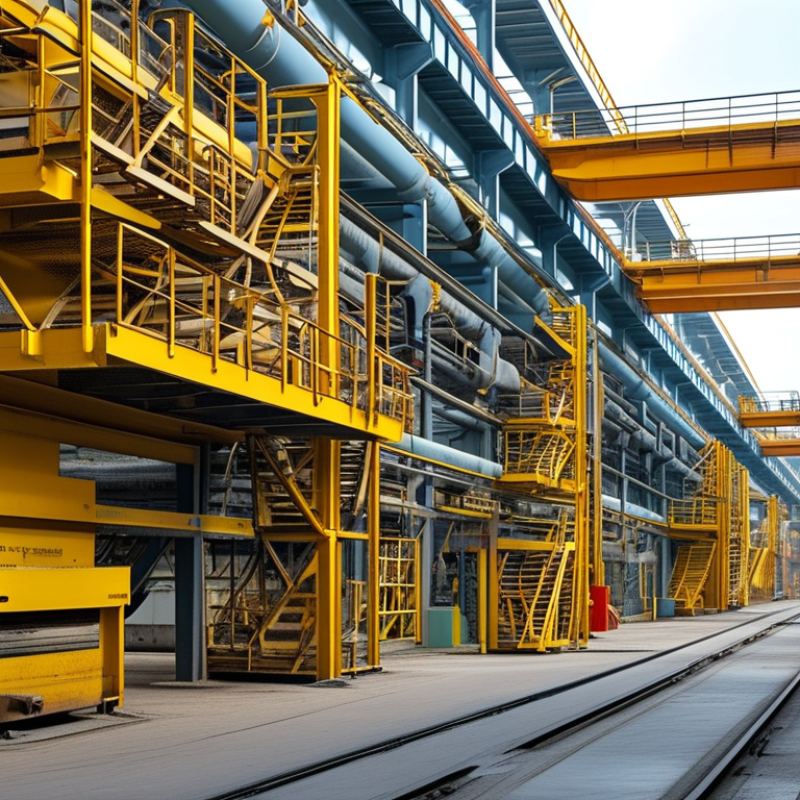
How To Maintain Equipment In Industrial Facilities Effectively?

Understanding the Importance of Equipment Maintenance in Industry

Equipment maintenance is crucial in industrial facilities. Neglecting maintenance can lead to expensive downtimes and unsafe working conditions. According to a report by the U.S. Department of Energy, inefficient maintenance practices can increase operational costs by up to 30%. Such figures stress the significance of a structured maintenance strategy in any industrial setting.

Regular maintenance keeps equipment running efficiently. Studies show that a well-maintained machine can operate at 90% efficiency or more. This prevents unexpected breakdowns and enhances overall productivity. However, many facilities struggle to implement effective maintenance plans. A survey indicated that 40% of organizations lack formal maintenance strategies. This gap highlights a critical area for improvement in industrial operations.

Maintenance strategies should rely on data and industry best practices. It is essential to collect performance metrics and engineer predictive maintenance schedules. This way, facilities can anticipate when equipment needs attention. Nevertheless, companies often overlook the potential benefits of investing in staff training for maintenance tasks. Without skilled personnel, even the best-maintained equipment can fall short. Prioritizing employee knowledge fosters a culture of reliability and safety within facilities.

How To Maintain Equipment In Industrial Facilities Effectively? - Understanding the Importance of Equipment Maintenance in Industry

Maintenance Type Frequency Purpose Estimated Cost
Preventive Maintenance Monthly Avoid unexpected breakdowns $500
Predictive Maintenance Quarterly Monitor equipment conditions $700
Corrective Maintenance As Needed Repair failed equipment Variable
Routine Inspection Weekly Ensure safe operation $200

Key Metrics for Evaluating Equipment Performance and Reliability

To evaluate equipment performance and reliability, key metrics are essential. One common metric is Mean Time Between Failures (MTBF). This measures the average time between equipment breakdowns. A higher MTBF indicates better reliability and performance. Teams should track this data consistently. Regularly assessing it helps identify potential issues before they lead to failure.

Another important metric is Overall Equipment Effectiveness (OEE). OEE measures how well equipment is performing relative to its full potential. It considers availability, performance efficiency, and quality. Each factor needs attention. Low scores may highlight a need for maintenance or upgrades. Ignoring these indicators can lead to costly downtime.

It's important to keep in mind that metrics don’t tell the whole story. Context matters. For instance, a machine may show good performance metrics but could be approaching the end of its lifespan. Engage with the workforce. Frontline employees can provide insights that data alone may miss. Their experiences often reveal when equipment acts unexpectedly. This feedback is invaluable for improving overall maintenance strategies.

Best Practices for Scheduled Maintenance in Industrial Settings

Scheduled maintenance is a cornerstone of effective equipment management in industrial facilities. Regularly assessing machinery helps prevent unexpected breakdowns. It also extends the lifespan of equipment. Keep a detailed maintenance schedule for each piece of equipment. Use checklists to track status updates and repair history. This allows teams to address potential issues proactively.

Incorporate flexibility into maintenance plans. Equipment may not always exhibit obvious signs of wear. Regular assessments can reveal underlying problems. Sometimes, maintenance schedules may need adjustments based on operation demands. Encourage staff to report abnormalities they observe during daily activities. Their insights can bring attention to issues that inspections might miss.

Training personnel is vital. Ensure that all workers understand the maintenance protocol. Offer workshops and resources to enhance their skills. However, not every step will always work flawlessly. Reflections on past maintenance tasks can lead to improved strategies. Examine what processes may need reconsideration for better outcomes.

Utilizing Predictive Maintenance Technologies to Reduce Downtime

Predictive maintenance technologies are revolutionizing equipment management in industrial facilities. By using data analytics and machine learning, businesses can anticipate machinery failures before they happen. This proactive approach minimizes downtime and reduces costly repairs, increasing overall productivity.

Implementing predictive maintenance requires a solid strategy. Start by collecting data from your equipment using sensors. This data will help identify patterns that indicate potential failures. Regular analysis of this data will inform maintenance schedules tailored to actual equipment needs, rather than estimates.

Tips: Invest in training your staff. Knowledgeable employees can interpret data effectively. Encourage a culture of communication about equipment health. Regularly assess the reliability of your predictive tools. Relying solely on technology can lead to overlooking critical failure points.

Remember, no system is foolproof. There will be instances where equipment fails unexpectedly. Encourage your team to report issues immediately and learn from these occurrences. Emphasizing continuous improvement will ensure your predictive maintenance strategy remains effective over time.

Industrial Equipment Maintenance Overview

Training Staff for Effective Equipment Care and Maintenance Protocols

Training staff for effective equipment care and maintenance protocols is vital for any industrial facility. Employees need to understand the importance of regular maintenance. Proper training methods can enhance their skills and knowledge significantly. Hands-on workshops can help staff familiarize themselves with the equipment. This practical approach fosters confidence and promotes proactive maintenance strategies.

Implementing regular training sessions can also address common oversights. Employees may not be aware of subtle signs that indicate potential equipment failures. Creating a culture of continuous learning encourages staff to ask questions and seek clarification. Additionally, using visual aids, such as manuals or diagrams, can reinforce essential information. These resources allow workers to refer back to critical maintenance procedures.

Feedback is essential for improvement. Management should encourage open discussions about challenges faced during maintenance tasks. This dialogue can reveal knowledge gaps or uncertainties among team members. By addressing these issues, facilities can refine their training programs. Ultimately, investing in staff training enhances reliability and efficiency, reducing downtime and repair costs.

FAQS

: Why is equipment maintenance important in industry?

: Equipment maintenance prevents expensive downtimes and unsafe working conditions, enhancing overall productivity.

How does neglecting maintenance affect costs?

Neglect can increase operational costs by up to 30%, emphasizing the need for a structured maintenance strategy.

What efficiency can well-maintained machines achieve?

Well-maintained machines can operate at 90% efficiency or more, reducing unexpected breakdowns.

What challenges do facilities face with maintenance?

Many organizations lack formal maintenance strategies, with around 40% failing to implement effective plans.

How can predictive maintenance benefit industrial operations?

Predictive maintenance minimizes downtime, anticipates machinery failures, and reduces costly repairs, boosting productivity.

What is essential for implementing predictive maintenance?

Collecting data from equipment using sensors is crucial for identifying failure patterns and creating tailored maintenance schedules.

Why is staff training important in maintenance processes?

Knowledgeable employees can interpret data effectively, ensuring the maintenance strategy is reliable and responsive.

Can predictive maintenance ensure zero failures?

No system is foolproof. Equipment can still fail unexpectedly, so it's essential to encourage immediate reporting of issues.

How can facilities improve their maintenance strategies?

Regular assessments of maintenance tools and encouraging a culture of communication about equipment health can help improve strategies.

What should teams learn from unexpected failures?

Learning from failures fosters continuous improvement and strengthens the overall maintenance approach in the industry.

Conclusion

Effective equipment maintenance is crucial in industrial facilities to ensure optimal performance and reliability. Understanding the significance of regular maintenance helps in minimizing unexpected downtimes and prolonging equipment lifespan. Key metrics, such as performance indicators and reliability statistics, should be used to evaluate the condition of equipment.

To maintain equipment in industrial facilities effectively, best practices for scheduled maintenance should be followed, including routine inspections and timely repairs. Additionally, the adoption of predictive maintenance technologies can provide insights that anticipate potential failures, thus reducing downtime significantly. Furthermore, investing in staff training enhances the team's ability to implement maintenance protocols successfully, ensuring that equipment care aligns with industry standards. This comprehensive approach allows facilities to operate efficiently while mitigating risks associated with equipment failure.

Oliver

Oliver

Oliver is a seasoned marketing professional with a wealth of expertise in driving brand awareness and engagement. With a deep understanding of our company's product offerings, he consistently delivers high-quality content that enriches our professional blog. His insights not only shed light on......