Okapi Logistics Okapi Logistics

Common Warehouse Management Mistakes to Avoid in China?

Time:2026-05-31 Author:Oliver
0%

In the competitive landscape of logistics in China, effective warehouse management is crucial. Many businesses struggle with various challenges that hinder operational efficiency. What are common warehouse management mistakes that can lead to significant setbacks? Identifying these pitfalls is essential for any organization looking to optimize its warehousing capabilities.

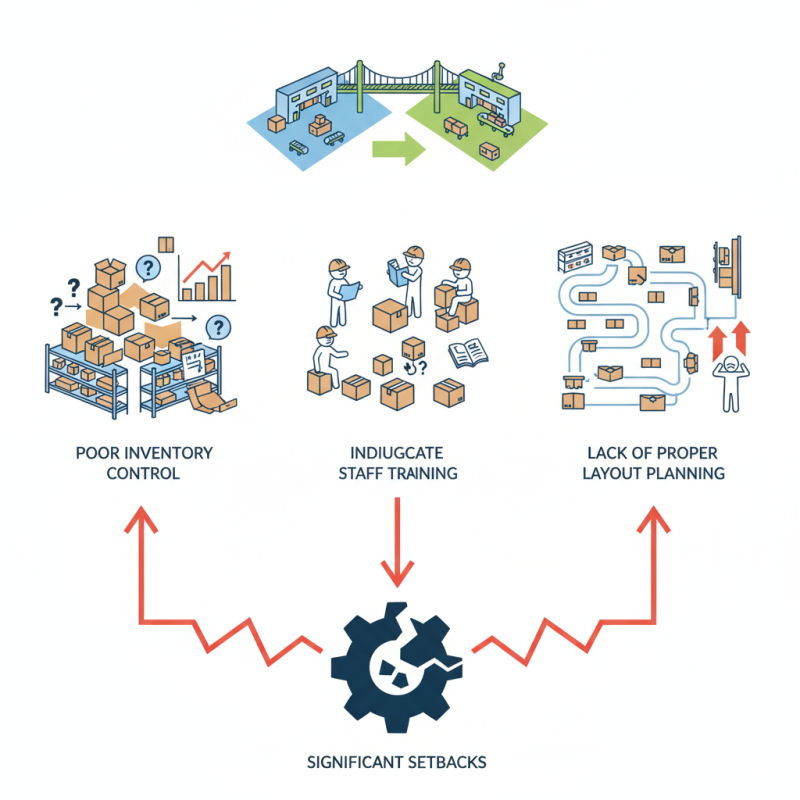
One prevalent mistake is poor inventory control. Without accurate tracking systems, businesses may face stock discrepancies. This can result in overstocking or stockouts, leading to lost sales or increased costs. Additionally, inadequate training of warehouse staff can create confusion and inefficiencies. Employees unaware of best practices may mishandle goods or misprocess orders.

Another notable issue is the lack of proper layout planning. A cluttered or inefficient warehouse layout can slow down operations and frustrate workers. Addressing these common mistakes can enhance productivity and save money. It's vital for managers to reflect on these challenges and continuously seek improvement in their operations.
Common Warehouse Management Mistakes to Avoid in China?

Common Misconceptions About Warehouse Management in China

Warehouse management in China often grapples with common misconceptions. One prevalent myth is that high-tech solutions alone can solve all logistics issues. While technology is essential, understanding local practices is crucial. Relying solely on automation can lead to neglecting the human element. Trained staff who know the region's dynamics are invaluable.

Another misconception is that a one-size-fits-all approach works. China's diverse geography and regional differences require tailored strategies. What works in Beijing may not apply in Guangzhou. Adapting to local market conditions and regulations is vital. Many companies overlook this, leading to inefficiencies.

Communication is often underestimated. Misunderstandings can cause disruptions. Regular team meetings and updates can boost clarity. A lack of effective communication can escalate problems, making it harder to address them. A flexible mindset and addressing these misconceptions can significantly enhance warehouse operations in China.

Data-Driven Insights on Inventory Levels and Stock-Out Risks

In the fast-paced world of warehouse management, data-driven insights can significantly impact inventory levels and stock-out risks. Research indicates that over 30% of inventory is often tied up in excess stock, leading to increased holding costs. Additionally, out-of-stock situations can result in up to 20% loss in revenue. Understanding these metrics is crucial for optimizing warehouse operations.

Implementing effective inventory management systems can enhance visibility into stock levels. Regularly reviewing inventory data helps identify slow-moving items. This approach allows companies to make more informed decisions. Consider integrating automated ordering systems. Automating replenishment can prevent stock-outs and reduce manual errors.

Training staff on data interpretation is vital. Many team members may lack the skills needed to analyze inventory trends. Investing in regular training can bridge this gap. Remember, inconsistencies in data entry can lead to significant errors. Regular audits of inventory records may help rectify potential issues. This strategy supports ongoing accuracy in stock management.

Inefficient Layouts: Impact on Operational Efficiency in Chinese Warehouses

Inefficient layouts can significantly hinder operational efficiency in Chinese warehouses. Poorly designed spaces lead to confusion and wasted time. For instance, when products are not placed logically, workers spend more time searching for items. This negatively impacts productivity and increases labor costs. It’s crucial to think about how layout affects workflows.

Consider zoning your warehouse. Group similar items together, making it easier for staff to find and replenish stock. Utilize vertical space effectively with shelving units. This can free up floor space and enhance movement. Effective signage can guide workers quickly through the warehouse, reducing frustration.

Regularly reassess your layout. What worked well a year ago may not be effective today. Keep track of product turnover rates. If a certain area gets congested, rethink its design. Feedback from employees is invaluable in identifying problem areas. Make adjustments based on their insights. A flexible approach will lead to lasting improvements in operational efficiency.

Common Warehouse Management Mistakes to Avoid in China

Mistake Impact on Efficiency Common Causes Potential Solutions
Inefficient Layout Increased pick time, higher transportation costs Poor planning and lack of space optimization Conduct layout analysis, implement space-saving techniques
Inadequate Inventory Management Stockouts or overstock situations Lack of inventory tracking systems Adopt better inventory management software
Underutilization of Technology Slower processing times, increased labor costs Resistance to change, lack of training Invest in training and upgrade technology
Poor Safety Practices Increased accident rates, lower employee morale Neglect of safety training Regular safety audits and drills
Ineffective Communication Misunderstandings, errors in order fulfillment Lack of structured communication protocols Establish clear communication channels

The Importance of Real-Time Data in Chinese Warehouse Operations

Real-time data is vital for effective warehouse operations in China. Many companies struggle to implement this. Without accurate data, inventory levels can be mismanaged. Goods may be overstocked or understocked, leading to lost sales. The ability to track inventory in real time helps in making informed decisions. This reduces waste and improves customer satisfaction.

Imagine a warehouse without real-time updates. A delay in information can lead to severe consequences. For instance, if stock levels are not accurate, resources can become misallocated. This can frustrate both employees and customers. Investing in technology that provides instant data can pay off significantly.

Tip: Ensure that the software you choose integrates with existing systems. This helps avoid data silos. Tip: Regularly train staff on using real-time data effectively. A well-informed team is more efficient. Lastly, reassess your data strategies periodically. Outdated methods can hinder growth and responsiveness.

Common Warehouse Management Mistakes to Avoid in China

This chart depicts common warehouse management mistakes in Chinese operations, highlighting the importance of real-time data. The data is based on a survey of warehouse managers, representing the percentage of respondents identifying these issues.

Training Gaps: The Cost of Insufficient Staff Education in Warehousing

In the realm of warehouse management in China, training gaps pose significant challenges. Insufficient staff education can lead to operational inefficiencies. According to a report by the China Warehousing and Distribution Association, companies lose an average of 5-15% in operational efficiency due to inadequate training programs. Many employees lack essential skills in inventory management and safety protocols, which can lead to costly mistakes.

The cost of not investing in training is evident. A poorly trained workforce contributes to increased errors in order fulfillment. This may result in high return rates and dissatisfied customers. A study indicated that 30% of logistics firms noted a direct correlation between training and improved customer satisfaction scores. Furthermore, in a competitive market, companies must prioritize education to retain top talent, as 45% of employees leave jobs due to lack of growth opportunities.

Addressing training gaps requires a strategic approach. Implementing structured training programs can enhance staff competence. Firms should conduct regular training assessments to identify ongoing educational needs. Not investing in training today means facing greater challenges tomorrow. As the industry evolves, staying ahead means prioritizing continual learning and development.

FAQS

: What is a common misconception about technology in warehouse management?

: Many believe high-tech solutions alone solve all logistics issues. Understanding local practices is equally important.

Why is a one-size-fits-all approach ineffective in China?

China's geography varies greatly. Strategies must be tailored to specific regions for better results.

How can communication impact warehouse operations?

Underestimating communication can lead to misunderstandings, causing disruptions and inefficiencies.

What layout issues can affect productivity in warehouses?

Poorly designed spaces cause confusion and wasted time, negatively impacting productivity and labor costs.

How can zoning improve operational efficiency?

Grouping similar items together allows staff to find and replenish stock more easily, improving workflow.

Why should warehouse layouts be regularly reassessed?

Designs that worked previously may not be effective now. Regular feedback can highlight problem areas needing adjustment.

What role does employee feedback play in warehouse management?

Employee insights help identify inefficiencies. Their input is crucial for making effective layout adjustments.

How should vertical space be utilized in a warehouse?

Effective shelving units can free up floor space, enhancing movement and operational efficiency.

What is a key aspect of improving communication in warehouses?

Regular team meetings and updates can clarify tasks, reducing misunderstandings and potential disruptions.

How can a flexible mindset improve warehouse operations?

Being open to change and addressing misconceptions can significantly enhance efficiency over time.

Conclusion

Effective warehouse management is critical for operational success, particularly in the fast-evolving logistics landscape of China. To answer the question, "What Are Common Warehouse Management Mistakes," one must consider several key areas. First, misconceptions about warehouse management can lead to inefficient practices, hindering overall performance. Second, a lack of data-driven insights regarding inventory levels can result in stock-out risks, complicating supply chain operations.

Moreover, inefficient layouts can significantly impact operational efficiency within warehouses, creating unnecessary bottlenecks. The importance of real-time data cannot be overstated, as it allows for better decision-making and responsiveness in warehouse operations. Lastly, training gaps often arise from insufficient staff education, which can incur hefty costs if employees are not adequately prepared to handle warehouse responsibilities. Addressing these issues is essential for optimizing warehouse management in China.

Oliver

Oliver

Oliver is a seasoned marketing professional with a wealth of expertise in driving brand awareness and engagement. With a deep understanding of our company's product offerings, he consistently delivers high-quality content that enriches our professional blog. His insights not only shed light on......