Okapi Logistics Okapi Logistics

Top 10 Common Challenges in Material Handling Today?

Time:2026-07-19 Author:Ethan
0%

In today’s fast-paced industrial environment, efficient material handling is crucial. However, many organizations face significant hurdles. What are common challenges in material handling? Understanding these obstacles is essential for improving efficiency and safety in warehouses and manufacturing plants.

One major issue is employee training. Proper training is often overlooked, leading to accidents and inefficiencies. Many workers lack the skills to operate machinery safely, which can cause costly errors. Additionally, outdated equipment contributes to delays. Aging machinery often breaks down, disrupting workflows. This reflects a broader problem of managing inventory efficiently.

Another challenge is space utilization. Many facilities struggle with limited space, which affects storage and access to materials. Crowded aisles can lead to clutter and hinder movement. Moreover, the integration of technology is not universal. While some companies adopt automation, others lag behind, risking their competitive edge. Recognizing these challenges is the first step toward effective solutions.
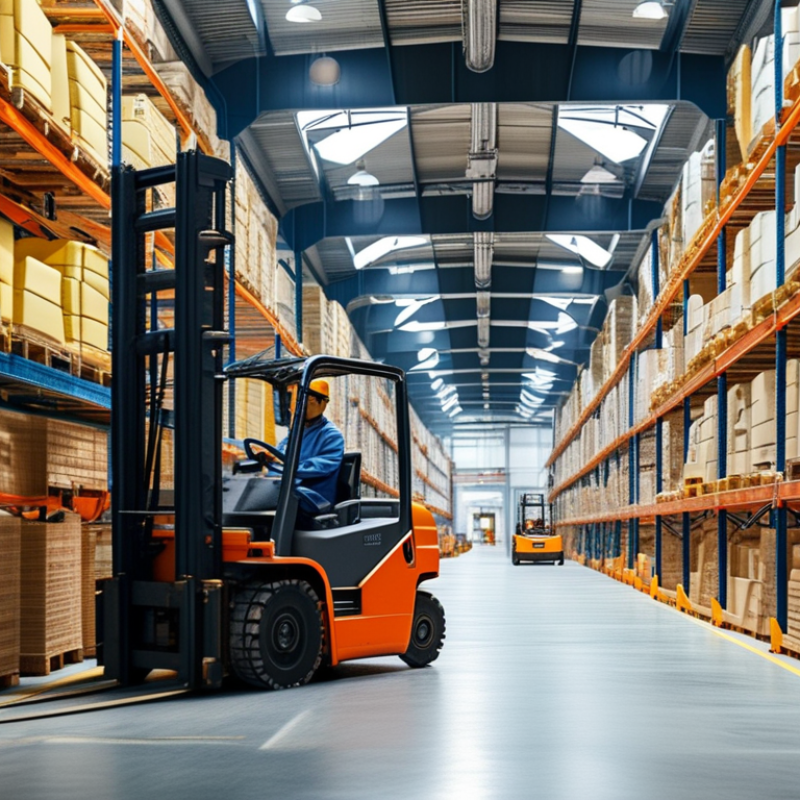
Top 10 Common Challenges in Material Handling Today?

Current Trends in Material Handling Challenges

In today’s fast-paced world, material handling faces numerous challenges. One significant trend is the increasing demand for automation. While automation improves efficiency, it also raises concerns about job displacement and the need for skilled workers. Many facilities struggle to find the right balance between technology and human labor.


Another challenge is supply chain disruptions. Events like natural disasters and pandemics have highlighted vulnerabilities in the logistics network. Businesses are now forced to rethink their strategies. They must build resilience, yet few know how to effectively manage this shift. Inventory safety stock is often not enough. Companies wrestle with finding reliable suppliers amidst uncertainty, which keeps managers on edge.


Additionally, sustainability is becoming a focal point. Many organizations want to reduce their environmental footprint. However, implementing eco-friendly practices can be costly and complex. The transition often involves overhauling existing processes, which is not always feasible. Safety is another pressing issue. Employees need ongoing training to prevent accidents, but many companies fail to commit the necessary resources. These challenges require deep reflection and a willingness to adapt in a constantly evolving industry.

Impact of Labor Shortages on Material Handling Efficiency

Labor shortages are significantly impacting material handling efficiency. According to a report by the Material Handling Industry of America, 62% of companies are struggling to fill critical positions. This shortage leads to increased workload on existing employees. Overworked staff can result in higher error rates and decreased productivity. These factors directly affect the overall supply chain performance.

Moreover, the American Transportation Research Institute indicates that labor shortages could cost the U.S. economy over $20 billion annually. This financial impact is felt by companies across various sectors. As operations slow down, delays ripple through supply chains. This creates a domino effect, leading to customer dissatisfaction and lost revenue.

To address these challenges, organizations may need to rethink their workforce strategies. Investing in automation and training programs can help mitigate the impact of labor shortages. However, not all companies are prepared for such investments. Some may need to reassess their priorities and develop a sustainable talent pipeline. The current landscape demands innovative solutions to maintain operational efficiency.

Technological Advancements and Their Role in Material Handling

In today's rapidly changing landscape, material handling faces significant challenges. One prominent factor is technological advancements. Innovations such as automation, artificial intelligence, and data analytics are transforming the industry. These technologies enhance efficiency but can also complicate operations. Training staff on new systems is vital yet often overlooked.

To navigate these changes, ensure that your team is well-prepared. Incorporate regular training sessions focused on new technologies. This minimizes downtime and anxiety related to tech shifts. Engaging employees in this transition fosters a culture of adaptability.

Additionally, consider the integration of automated systems. While they promise to reduce manual labor, the upfront costs can deter many. However, investing in automation could lead to long-term savings. It's essential to evaluate your specific needs before making such decisions. Always have contingency plans for potential tech failures; this can safeguard your operations against unexpected interruptions.

Top 10 Common Challenges in Material Handling Today

Common Safety Issues in Material Handling Operations

Material handling operations can present numerous safety challenges that require constant attention. A common issue is improper lifting techniques. Many workers use their backs instead of their legs to lift heavy items. This often leads to injuries that could be avoided with proper training. Regular safety meetings can address concerns about lifting methods and educate staff on ergonomics.

Another concern is the use of outdated equipment. Relying on old machinery increases the risk of malfunctions. A broken pallet jack or a malfunctioning conveyor can cause accidents. Inspections and maintenance should occur frequently to ensure all equipment is safe to use. Empowering employees to report issues can also foster a safer environment.

Lastly, inadequate training can lead to dangerous situations. New hires often feel unsure about procedures. Comprehensive training programs can mitigate this uncertainty. Employees should feel confident in their ability to follow safety protocols. Stale training approaches may lead to overlooked hazards. Continuous improvement in training content can strengthen the workforce’s awareness of safety issues.

Supply Chain Disruptions Affecting Material Handling Processes

Supply chain disruptions have become a common issue in material handling today. Global events, like pandemics and natural disasters, often cause unexpected delays. These disruptions affect every step of the supply chain. When shipments are late, warehouses experience chaos. This chaos leads to misplaced items and increased labor costs.

Material handling processes face numerous challenges. The demand for faster turnaround times intensifies with supply chain disruptions. Companies struggle to adapt, often leading to mistakes. For instance, workers may rush and mishandle fragile materials. This can result in damaged goods and increased waste. Additionally, the lack of reliable technology exacerbates the problem. Many businesses still rely on paper-based systems or outdated software, leading to mistakes.

Businesses must reflect on their current strategies. Adapting to changing conditions is crucial. Implementing real-time tracking and digital inventory management can improve resilience. Workers need proper training to handle materials safely, reducing accidents. However, many companies overlook these critical elements, leading to ongoing challenges in material handling.

FAQS

: How are labor shortages affecting material handling efficiency?

: Labor shortages increase workloads on existing employees, leading to higher error rates and decreased productivity.

What is the economic impact of labor shortages?

Labor shortages may cost the U.S. economy over $20 billion annually, impacting various sectors and causing delays.

What strategies can companies adopt to address labor shortages?

Companies can rethink workforce strategies by investing in automation and enhanced training programs to ease labor issues.

Why is improper lifting a concern in material handling?

Improper lifting techniques often lead to injuries. Educating staff on proper methods can help prevent these injuries.

How does outdated equipment contribute to safety issues?

Old machinery carries a higher risk of malfunction. Regular inspections are vital to ensure equipment safety and prevent accidents.

What role does employee training play in safety?

Inadequate training can result in dangerous situations. Comprehensive training builds confidence and awareness of safety protocols.

Why is continuous improvement in training necessary?

Stale training can overlook new hazards. Regular updates to training content are essential for maintaining safety standards.

How can companies develop a sustainable talent pipeline?

Companies need to reassess priorities and create plans for effective recruitment and retention of skilled workers.

What are the consequences of delays in the supply chain?

Delays lead to customer dissatisfaction and potential loss of revenue, impacting overall business performance.

What challenges do companies face when investing in automation?

Not all companies are ready to make substantial investments in automation due to financial constraints and lack of resources.

Conclusion

In today’s rapidly evolving logistics landscape, understanding "What Are Common Challenges In Material Handling" is crucial for ensuring operational efficiency. Among the primary issues are current trends reflecting the impact of labor shortages, which significantly hinder productivity and efficiency in material handling processes. Additionally, the integration of technological advancements plays a pivotal role in optimizing these operations, although not without its own set of challenges such as the need for training and adaptation.

Safety remains a critical concern in material handling, with common safety issues posing risks to both personnel and cargo. Furthermore, supply chain disruptions are increasingly affecting material handling processes, complicating logistics and inventory management. Addressing these challenges requires a strategic approach that embraces innovation while fostering a safe and efficient work environment.

Ethan

Ethan

Ethan is a seasoned marketing professional with a deep expertise in our company's innovative product line. With a passion for sharing knowledge and insights, he takes the lead in regularly updating our corporate blog, where he explores industry trends, product features, and effective marketing......