 Okapi Logistics
Okapi Logistics
Okapi Logistics
When exploring the realm of warehouse design, many global buyers ask, "What Are The Key Elements Of Warehouse Design?" The efficiency and effectiveness of a warehouse can significantly impact supply chain operations. Thus, understanding the fundamental aspects of design is crucial for success.
Effective warehouse design considers layout, space utilization, and operational efficiency. A well-organized layout can minimize movement and reduce time wasted. Buyers should think about the flow of goods, the placement of equipment, and the accessibility of products. Each choice can influence the warehouse's overall performance.
However, it's essential to recognize that imperfect designs can undermine operational goals. Many warehouses struggle with underutilized space or inefficient processes. Continuous evaluation and adaptation are necessary to maintain effectiveness. Designing a warehouse is not just about aesthetics; it’s about boosting productivity and meeting business needs efficiently.
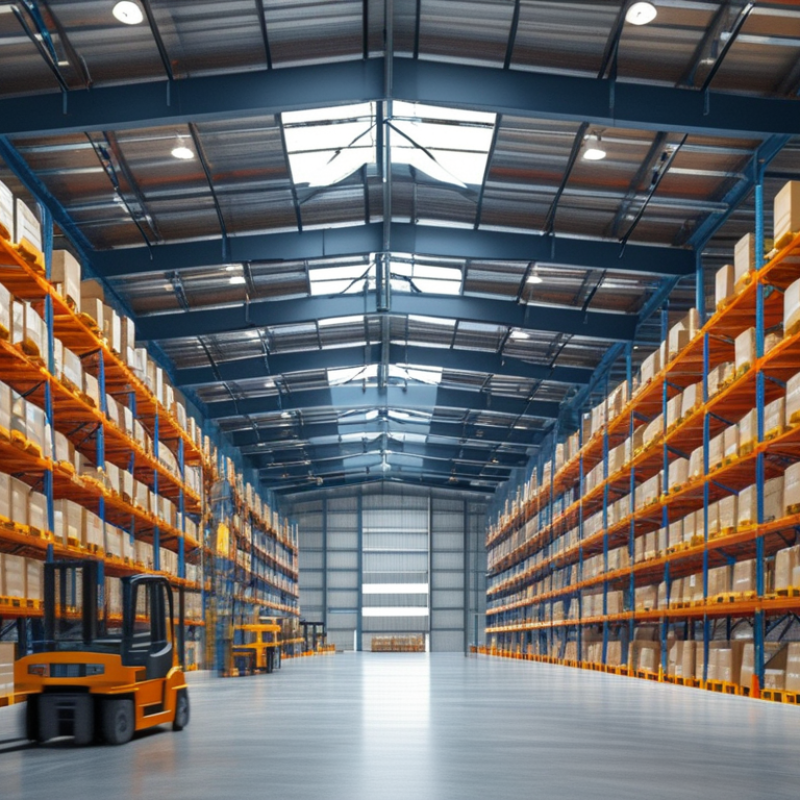
When designing warehouses in China, several crucial factors play a role. Understanding local logistics is essential. According to a report by Logistics Management, e-commerce growth in China has surged by over 25% annually. This demand creates a need for efficient warehouse designs that accommodate rapid order fulfillment.
Sustainability has become a key consideration. A study by the China Warehouse Association indicates that energy-efficient designs can reduce operational costs by up to 30%. Integrating green technologies helps companies meet regulatory standards and appeal to eco-conscious consumers. However, many warehouses still lack these innovations. There is a noticeable gap between the need for sustainable practices and their actual implementation.
Flexibility is another significant factor. The ability to adapt to changing market demands is vital. Reports suggest that warehouses designed with modular layouts can increase storage capacity by 20%. Yet, many existing structures do not offer this adaptability. This necessitates a rethink of current designs to better align with evolving logistics needs.
| Key Elements | Description | Importance Level |
|---|---|---|
| Location | Strategic placement near transportation hubs such as ports and highways. | High |
| Space Optimization | Maximizing use of vertical space and warehouse layout efficiency. | Medium |
| Technology Integration | Utilizing automation and software for inventory management and logistics. | High |
| Sustainability | Incorporating eco-friendly materials and energy-efficient practices. | Medium |
| Safety Standards | Adhering to regulatory requirements and implementing safety protocols for employees. | High |
| Scalability | Designing for future growth and adaptability to market changes. | Medium |
: Local logistics understanding and e-commerce growth are essential. Efficient designs support rapid order fulfillment.
Energy-efficient designs lower operational costs. However, many warehouses still lack sustainable innovations.
Adaptable designs improve storage capacity. Many existing warehouses do not meet this flexibility requirement.
Renewable energy sources like solar panels are common. Energy-efficient lighting reduces overall energy consumption.
High initial costs are a barrier. Upgrades require significant investment and careful planning.
Many warehouses fail to meet local standards, risking penalties. Thorough planning and adherence enhance efficiency.
Regular audits and staff training are essential. Consulting local experts helps navigate regional laws.
Smart building systems can monitor and optimize energy use. However, outdated infrastructure hinders this progress.
Adding solar panels and temperature control systems can save costs. Compliance with energy standards also benefits operations.
Many designs neglect essential fire safety measures. This can lead to serious compliance failures.
In the evolving landscape of logistics, understanding "What Are The Key Elements Of Warehouse Design" in China is essential for global buyers. Key factors driving warehouse design in China include the rapid growth of e-commerce and the need for efficient supply chain management. Innovative technologies, such as automation and AI, are significantly influencing warehouse layouts and operational efficiency.
Sustainability considerations are increasingly prioritized, with a focus on eco-friendly building practices and energy-efficient systems. The role of logistics infrastructure is crucial, as well-placed warehouses can enhance accessibility and reduce transportation costs. Additionally, compliance with stringent regulatory standards is necessary to ensure safety and operational effectiveness in warehouse design. Overall, these elements collectively shape a modern approach to warehouse planning in China, catering to both national and international needs.
