Okapi Logistics
In today's fast-paced logistics landscape, efficiency and cost savings are paramount. Automated warehousing is emerging as a powerful solution for businesses aiming to optimize operations. Industry expert John Smith, a recognized leader in supply chain automation, states, "The benefits of automated warehousing cannot be overstated; they revolutionize how we manage inventory and fulfill orders." This insight encapsulates the transformative impact of automation in warehousing.
What are the benefits of automated warehousing? Streamlined processes, reduced labor costs, and enhanced accuracy are just the beginning. Automated systems can operate around the clock, increasing throughput and minimizing human error. However, transitioning to automated solutions has its challenges. Companies must evaluate their readiness for change. The complexity of integration cannot be ignored, as it often leads to short-term disruptions.
Despite potential hurdles, the long-term gains are undeniable. Businesses that embrace automation not only save money but also position themselves for future growth. As John Smith emphasizes, it is essential to understand both the benefits and the necessary adjustments when considering this shift. Ignoring the nuances may hinder success. In this evolving industry, those who adapt may find themselves ahead of the curve.
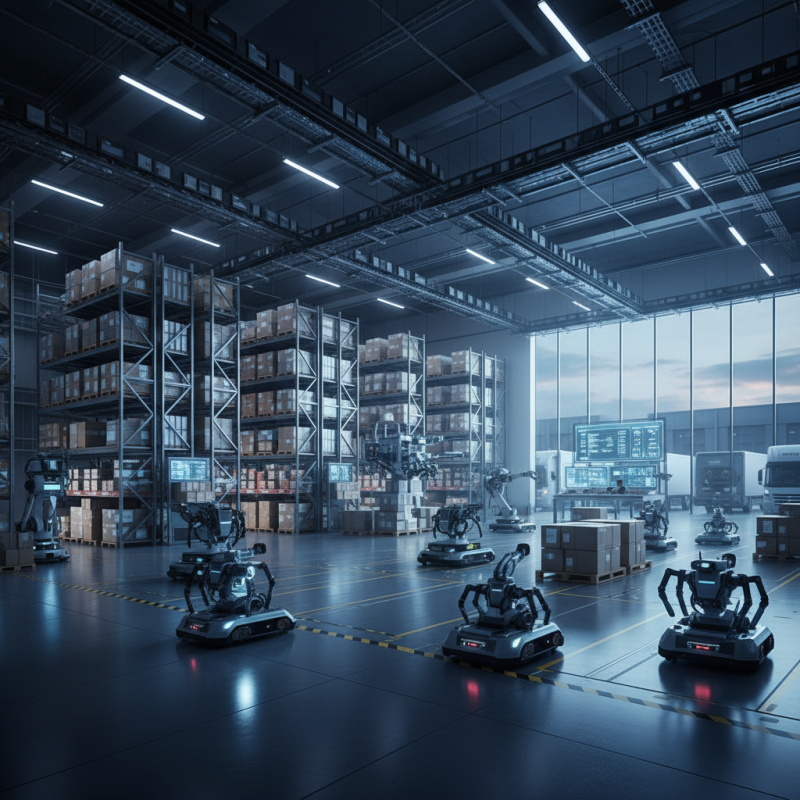
Automated warehousing is transforming logistics. It increases efficiency by streamlining operations. According to a report by McKinsey, automation can cut warehousing costs by up to 30%. This reduction comes from minimizing labor needs and reducing human errors. Automated systems can manage inventory more accurately, ensuring timely orders.
Efficiency gains extend to speed. Operations that used to take hours can now happen in minutes. The Boston Consulting Group states that automation can boost order fulfillment rates by 10-25%. This not only enhances customer satisfaction but also builds brand loyalty. Automated systems are adaptable, fitting various business sizes, from startups to giants.
Tips: Evaluate your space carefully. Integration issues can arise when retrofitting current systems. Continuous training for your team is crucial too. Machines are efficient, but human oversight remains vital. Regular maintenance of automated systems can prevent sudden downtimes, which can be costly. Always stay updated with industry advancements to maximize your investment.
Automated inventory management has the potential to significantly cut costs for businesses. According to a report by the Warehousing Education and Research Council (WERC), companies can reduce inventory costs by up to 30% through automation. This efficiency comes from improved accuracy and reduced stock holding costs. Automated systems minimize human error, ensuring that products are tracked and stored correctly. Inaccurate inventory can lead to overstocking or stockouts, both of which are costly.
In addition, an operational study by McKinsey showed that companies could improve their storage efficiency by 25% with automated warehousing solutions. This not only speeds up retrieval times but also effectively utilizes space. Automated systems help identify slow-moving items and optimize warehouse layout. However, transitioning to automation is not without challenges. Businesses must invest in technologies and training, which can initially strain budgets. Balancing immediate costs with long-term gains can present a complex decision-making scenario.
Some companies report mixed results when adopting automation. While many see an uptick in efficiency, others struggle with integration into existing systems. Industry experts suggest that careful planning and adoption of pilot programs can mitigate risks. These approaches help ensure that the transition is tailored to specific business needs, minimizing disruptions during implementation.
Automated warehousing solutions enhance accuracy significantly. With advanced technologies, the chances of errors decrease. For instance, automated systems can track inventory levels in real-time. This eliminates the guesswork that often leads to discrepancies. Employees can focus more on critical tasks rather than manual counting.
Implementing automated systems also allows for precise order fulfillment. Robots can pick and pack items swiftly, ensuring that the right products reach customers. This speed improves overall service delivery while minimizing mistakes. However, some warehouses may face initial hurdles. Integrating new technologies requires training and adaptation. Not every employee may embrace these changes with enthusiasm.
Despite these challenges, the long-term benefits of automated warehousing are clear. Increased accuracy translates to higher customer satisfaction. When orders are filled correctly, repeat business follows. Companies must continuously assess their processes and technologies. This self-reflection is crucial for maintaining efficiency and competitiveness. The journey toward automation can be daunting, but the potential rewards are significant.
Automated warehousing is transforming logistics with robotics. These advanced systems enhance efficiency and accuracy in operations. By integrating robotics, warehouses can automate repetitive tasks. This reduces human error and speeds up processes. Robotics can swiftly handle inventory, move goods, and pick orders.
Tips: Implementing robots may require initial training. Ensure staff understands how to work alongside automation. This can prevent potential disruptions and streamline operations.
Incorporating robotics isn't without challenges. Change management can be tough. Staff may resist new technologies, fearing job loss. It's crucial to foster a culture of collaboration. Encourage employees to see automation as a tool for support, not as a replacement. Training programs can help ease the transition.
Tips: Regularly evaluate robotic workflows. Analyze efficiency gains and identify areas for improvement. Continual assessment can lead to better integration and optimization of processes.
Automated warehousing is experiencing rapid advancements in technology. Recent reports indicated that nearly 60% of logistics companies plan to invest in automation by 2025. This shift hints at a significant trend towards increased efficiency and cost savings in the supply chain. Automation reduces labor costs and improves order accuracy, which are critical factors for any business aiming for a competitive edge.
Emerging technologies play a key role in this evolution. Robotic process automation (RPA) and artificial intelligence (AI) are transforming warehousing operations. According to a 2023 industry study, AI implementation in warehouses can reduce operational costs by up to 30%. However, the integration of these advanced systems often requires substantial upfront investment and presents a steep learning curve for existing staff.
As automation accelerates, companies face unique challenges. Communication between machines and human workers can become a bottleneck. New skills are needed for employees to work alongside automation systems effectively. Continuous training is essential to avoid disruption during this technological shift. Balancing automation benefits against potential drawbacks remains crucial for long-term success.
: Automated warehousing improves efficiency and cuts costs. It streamlines operations and reduces human errors.
Companies can cut inventory costs by up to 30%. This comes from improved accuracy and reduced stock holding costs.
Automation can boost order fulfillment rates by 10-25%. This enhances customer satisfaction and fosters loyalty.
Integration issues can arise. Initial investments can strain budgets, and careful planning is necessary.
While machines are efficient, human oversight remains vital. Regular maintenance and management are crucial to avoid issues.
Technologies like AI and RPA enhance efficiency. They can also reduce operational costs significantly.
New skills are essential for effective collaboration with automated systems. Continuous training is important to support this.
Challenges in integration and adaptation can lead to varied results. Pilot programs can help tailor solutions to specific needs.
Automated warehousing is increasingly recognized for its potential to enhance operational efficiency and generate significant cost savings. One of the primary benefits of automated warehousing lies in streamlined inventory management, which reduces human error and allows for more precise tracking of stock levels. As businesses seek to optimize their supply chain processes, understanding "What Are The Benefits Of Automated Warehousing" becomes crucial; it not only improves accuracy but also elevates productivity through faster order fulfillment.
Moreover, the integration of robotics into warehouse operations significantly contributes to the reduction of labor costs and operational overhead. With tasks such as picking, packing, and sorting being automated, companies can achieve higher throughput and minimize delays. Looking ahead, trends in automated warehousing technologies promise to further refine these efficiencies, making it an essential consideration for businesses aiming to stay competitive in a rapidly evolving marketplace.
